
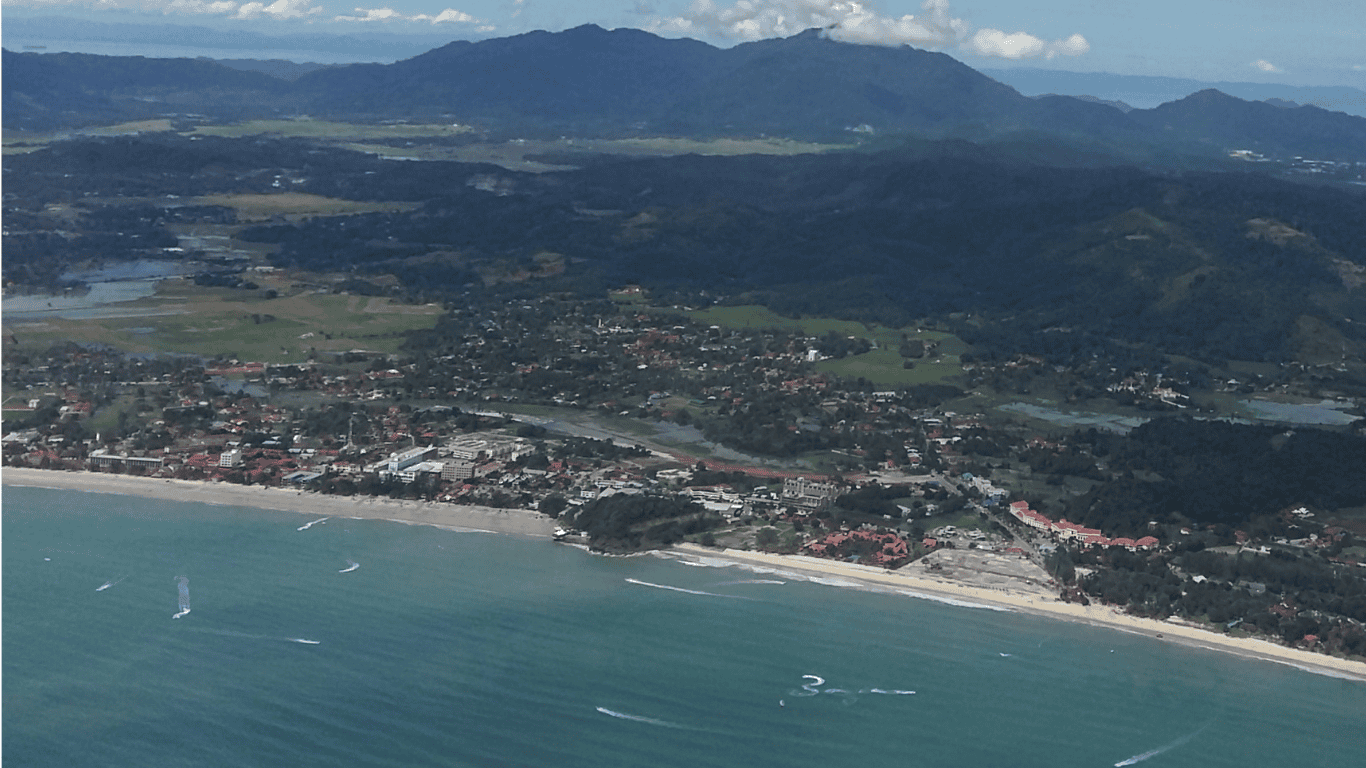
Long stretches of white sand beaches are the images often used in tourism brochures. In Langkawi, Malaysia, Pantai Chenang (Chenang Beach) is often the star of the show. And beyond that is Pantai Tengah. Interrupted only by a scenic headland and rocky hill known as Tanjung Mali (or Bukit Tanjung Mali).
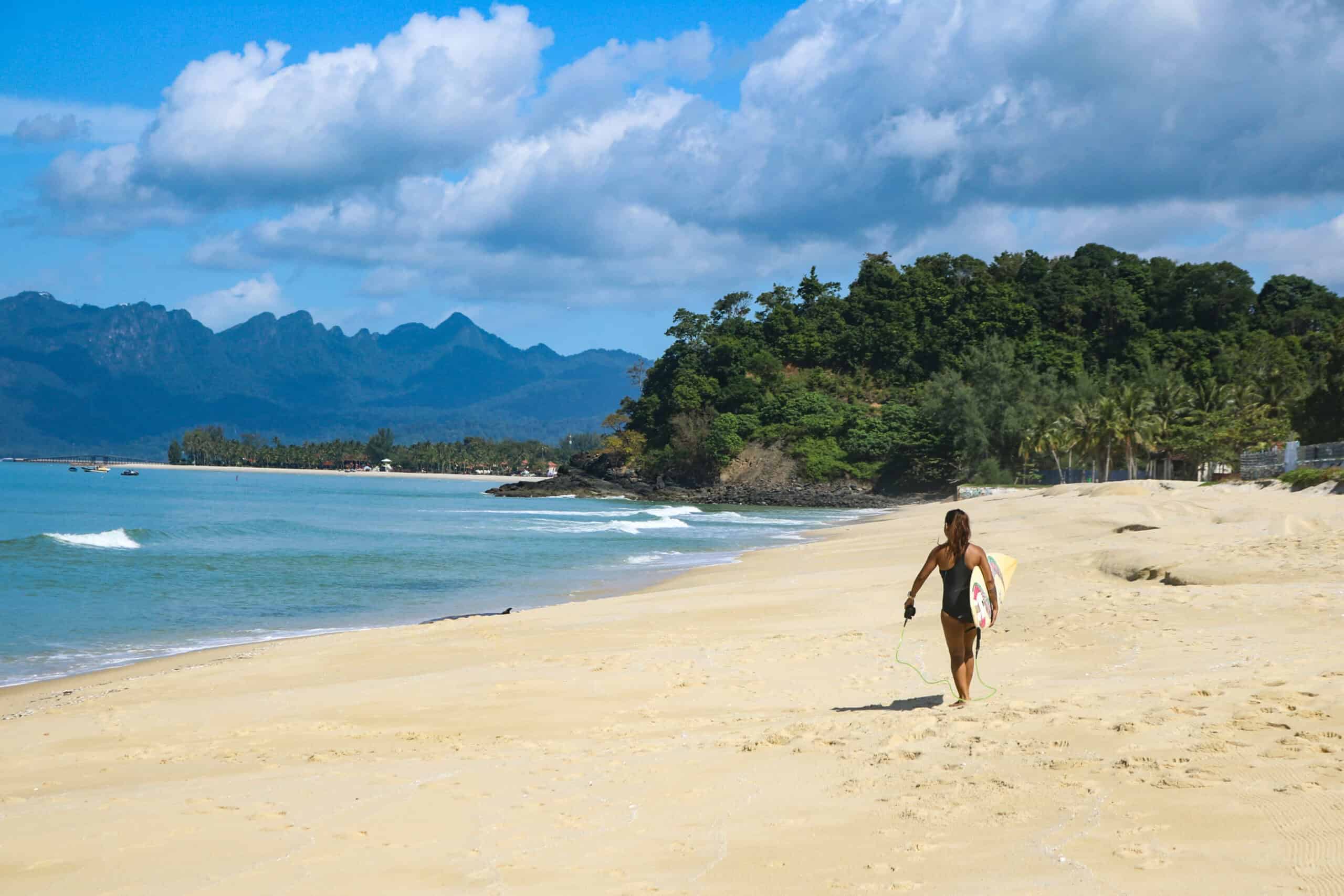
Years ago, while researching for a blog post, I spent several hours on that rocky outcrop searching for an elusive dropstone I had read about. An embarrassing amount of time, admittedly, but I was determined. But the view from that small hill was amazing. Down below was the most beautiful beach I had ever seen in Langkawi. It was also a surfing hotspot and the official beginning of Pantai Tengah.
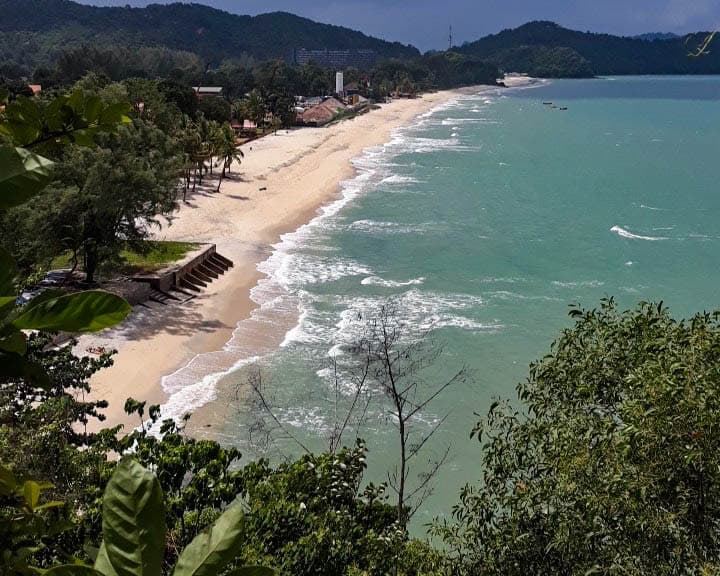
Fast forward a few years and Tanjung Mali is in the news as a political hot potato. As I read through various social media feeds, I was struck by a comment from a local historian that I personally know and whom I’ve often used as a resource for Langkawi history. He mentioned the Battle of Tanjung Mali in 1839. That immediately caught my attention.
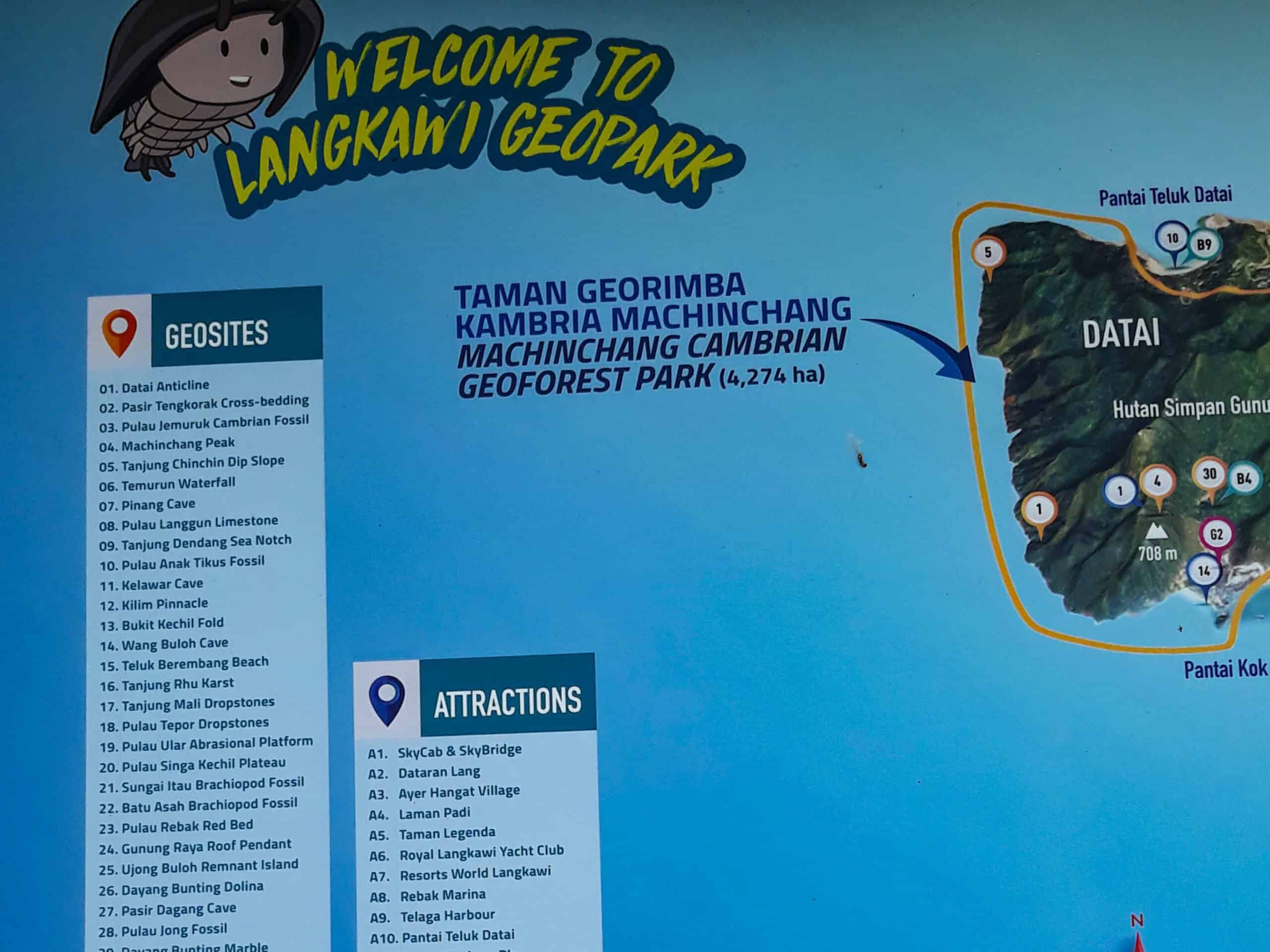
Apparently, Bukit Tanjung Mali isn’t just the location of a well-known geological site (Tanjung Mali Dropstone Geosite), it’s also associated with local oral history which described the location as a 19th-century defensive position and site of conflict.
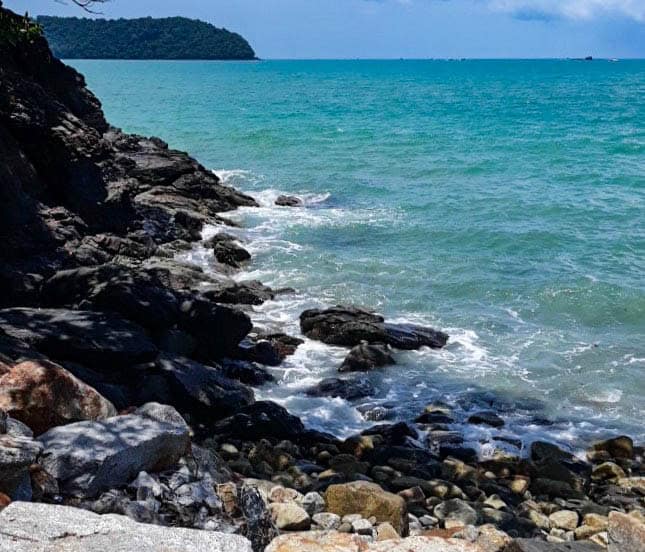
Local historian accounts identify Bukit Tanjung Mali as the site of a defensive fortress belonging to Kedah’s naval forces under Dato Setia Segara Wan Muhamad Ali (known locally as Wan Mali). During the mid-19th century, the hill is said to have formed part of a network of defensive positions established to protect Langkawi and support resistance against foreign military forces operating in the region.
If these accounts are accurate, Tanjung Mali was more than a strategic headland and present-day scenic vista. It was also a battlefield. It also stands as a symbol of the struggle to defend the independence of Kedah and Langkawi Island.
The Attack on Tanjung Mali
According to my historian friend, Tanjung Mali came under attack on March 11, 1839. The stronghold was reportedly destroyed, its cannons seized, and many of its defenders killed or taken prisoner. Wan Mali himself was forced to retreat.
The attack took place during the final phase of the Kedah resistance movement commonly known as the Perang Musuh Bisik (War of the Whispering Enemy), which opposed Siamese control of Kedah during the nineteenth century.
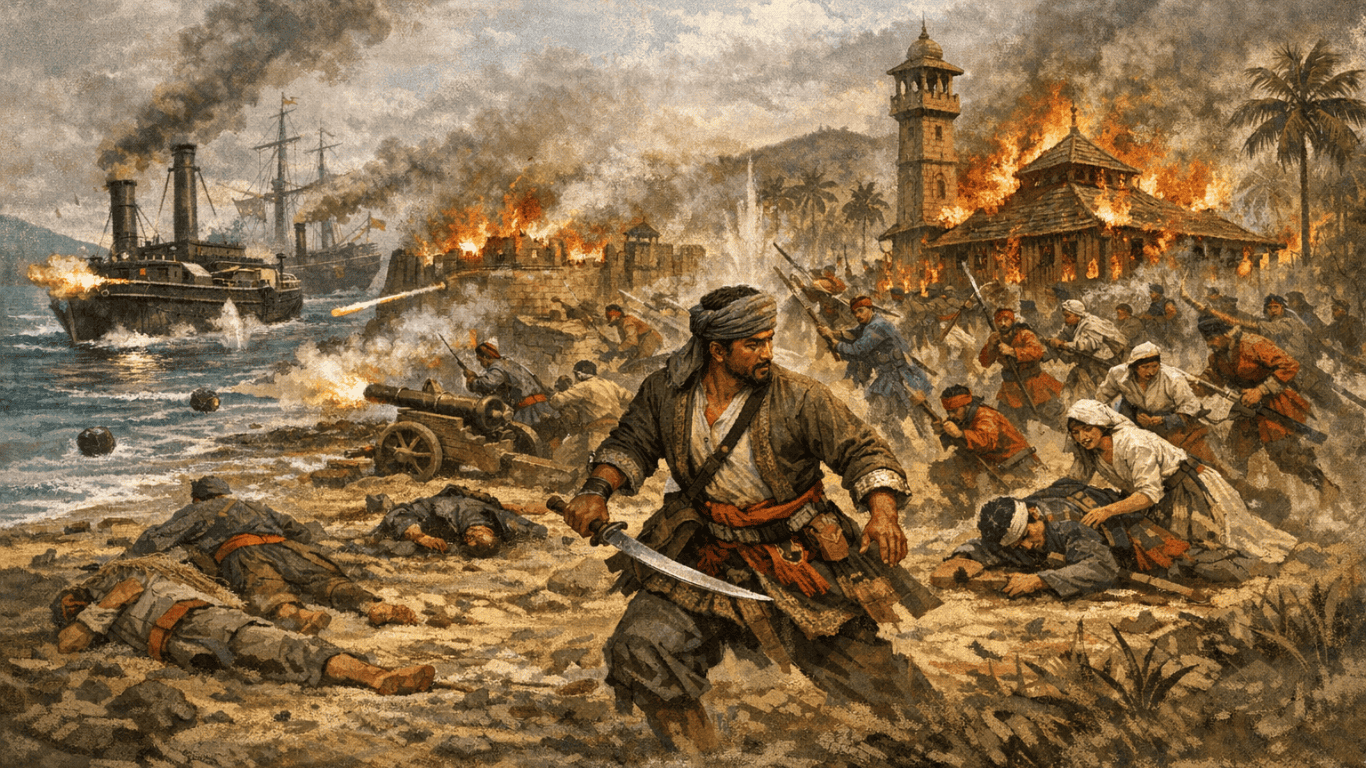
He also mentioned that steam-powered vessels gave the attacking forces a significant advantage. Unlike traditional sailing ships, they could move independently of the wind, tow other vessels, and launch devastating cannon attacks from the sea.
The fighting is said to have continued beyond Tanjung Mali, with surviving defenders withdrawing towards Bukit Masjid, where further conflict is remembered on March 13, 1839. The mosque there was eventually burned, and many local residents were killed while attempting to defend it.
The Four Defensive Strongholds of Langkawi
Accounts of Langkawi’s resistance describe four principal positions that formed part of the island’s defensive network: Cerok Genyit, Tanjung Mali, Tanjung Kubu, and Bukit Masjid (present day Kedawang area). Together, these sites are remembered as a coordinated defensive system designed to protect key approaches to the island.
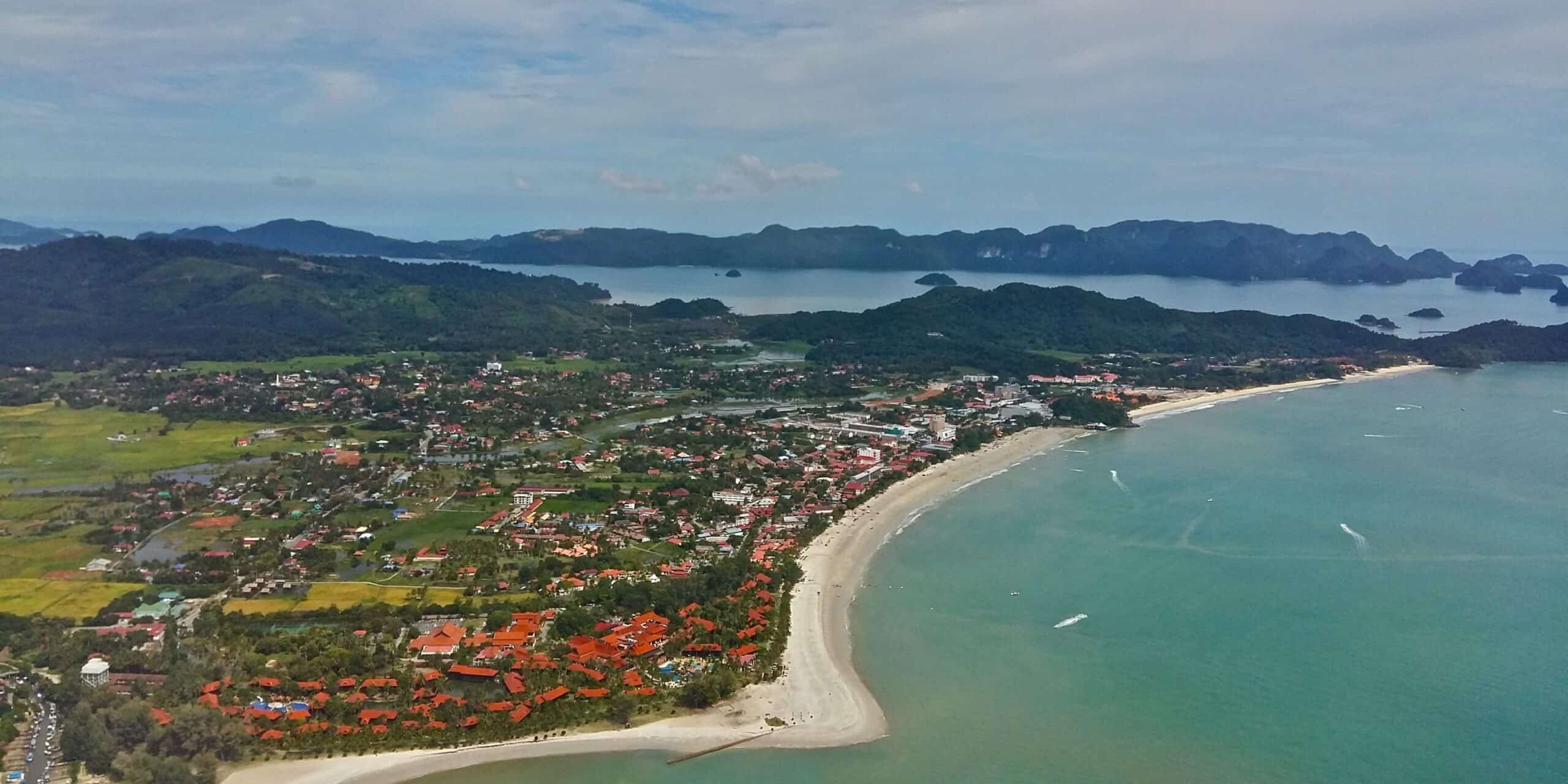
Tanjung Kubu (where the present day Pelangi Resort is located) occupied an important coastal position overlooking maritime routes, while Bukit Masjid served as a defensive refuge further inland. Cerok Genyit (where the present day Holiday Villa Beach Resort is located) and Tanjung Mali provided additional strategic positions along the coastline.
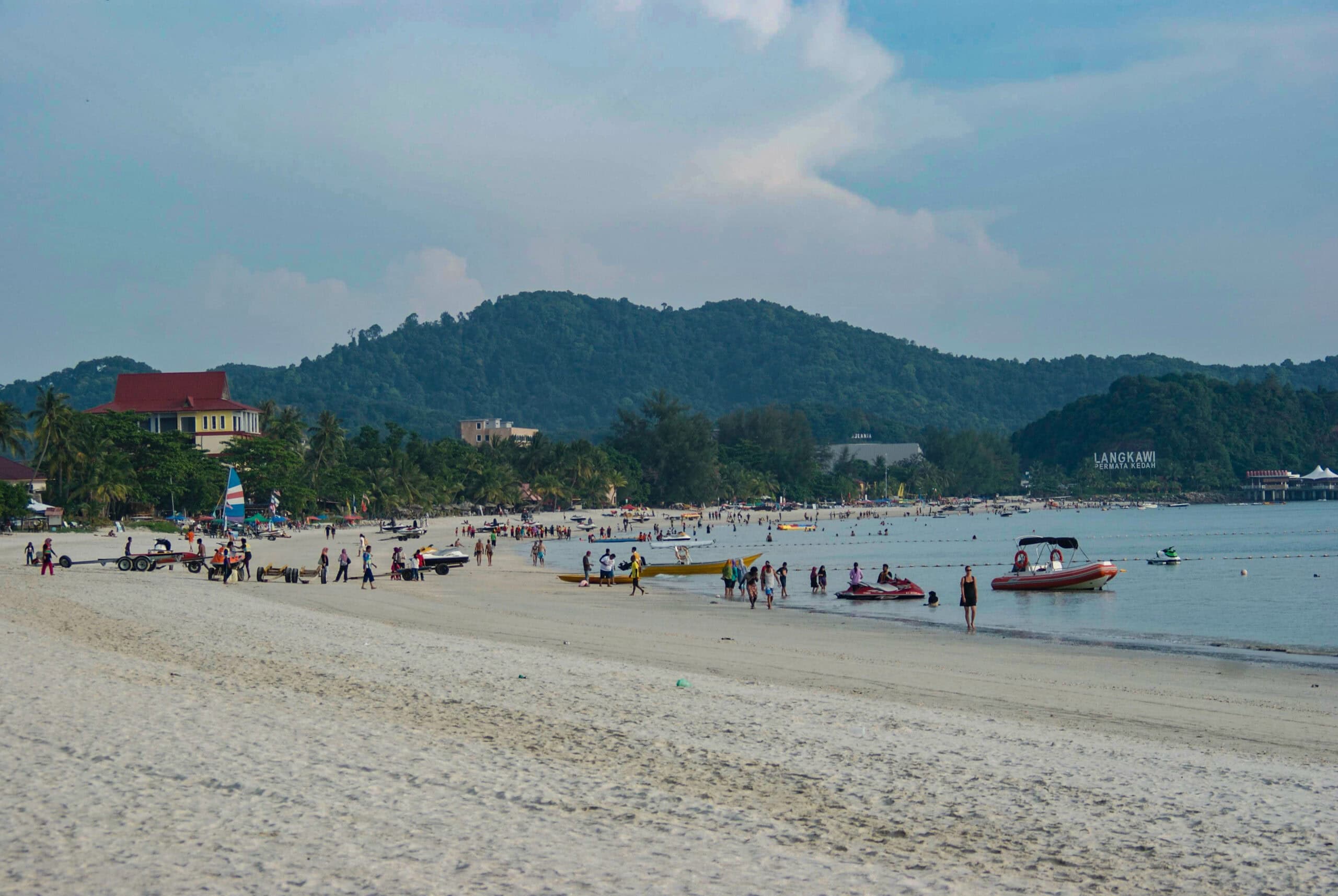
Although much of this history remains under-researched, the locations themselves suggest a deliberate defensive arrangement focused on controlling access from the sea.
Who Was Wan Mali?
One of the most intriguing figures connected to Langkawi’s resistance history is Wan Mali, a name that appears in local tradition, family genealogies, and regional historical accounts.

Wan Mali is also believed to be the same figure recorded in historical sources as Wan Muhammad Ali, sometimes written as Wan Mad Ali or Wan Mat Ali. The variations are not unusual, as nineteenth-century Malay names were often recorded differently in oral traditions, Jawi manuscripts, British reports, and Siamese documents.
Wan Muhammad Ali was a native of Langkawi and a skilled maritime leader who became involved in the wider Kedah resistance following the Siamese invasion of 1821. His name is believed to live on in Tanjung Mali.
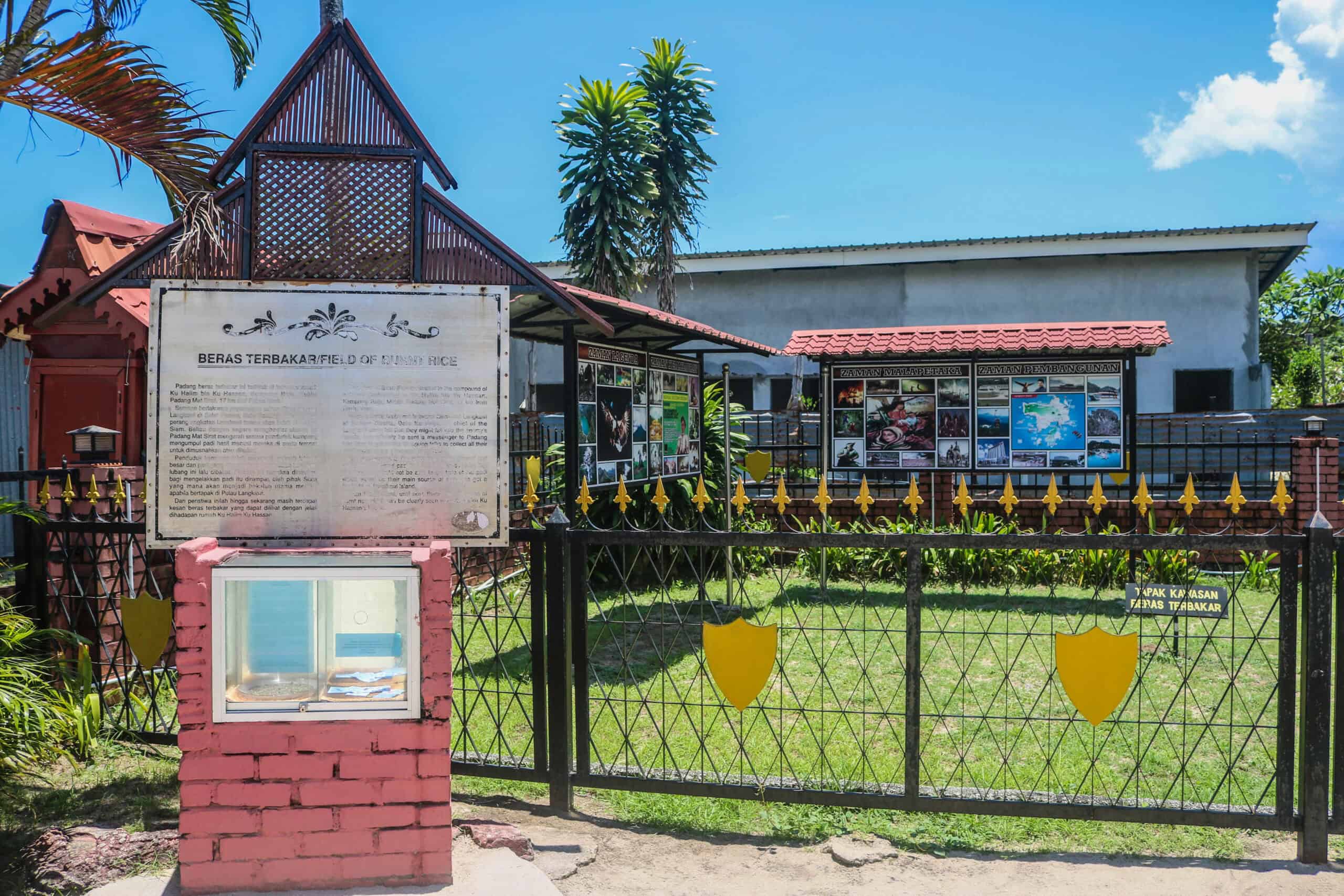
Several Langkawi genealogies further identify Wan Muhammad Ali as the son of Dato Pekermajaya, the chief commonly linked to the Beras Terbakar (Field of Burnt Rice) episode at Padang Matsirat. In some traditions, he is also described as a brother-in-law of Wan Darus, placing him within the wider legendary Mahsuri story.
However, while the 1821 Siamese invasion and the Beras Terbakar episode are well-established historical events, these family connections are less clearly documented in sources that are easily traceable today.
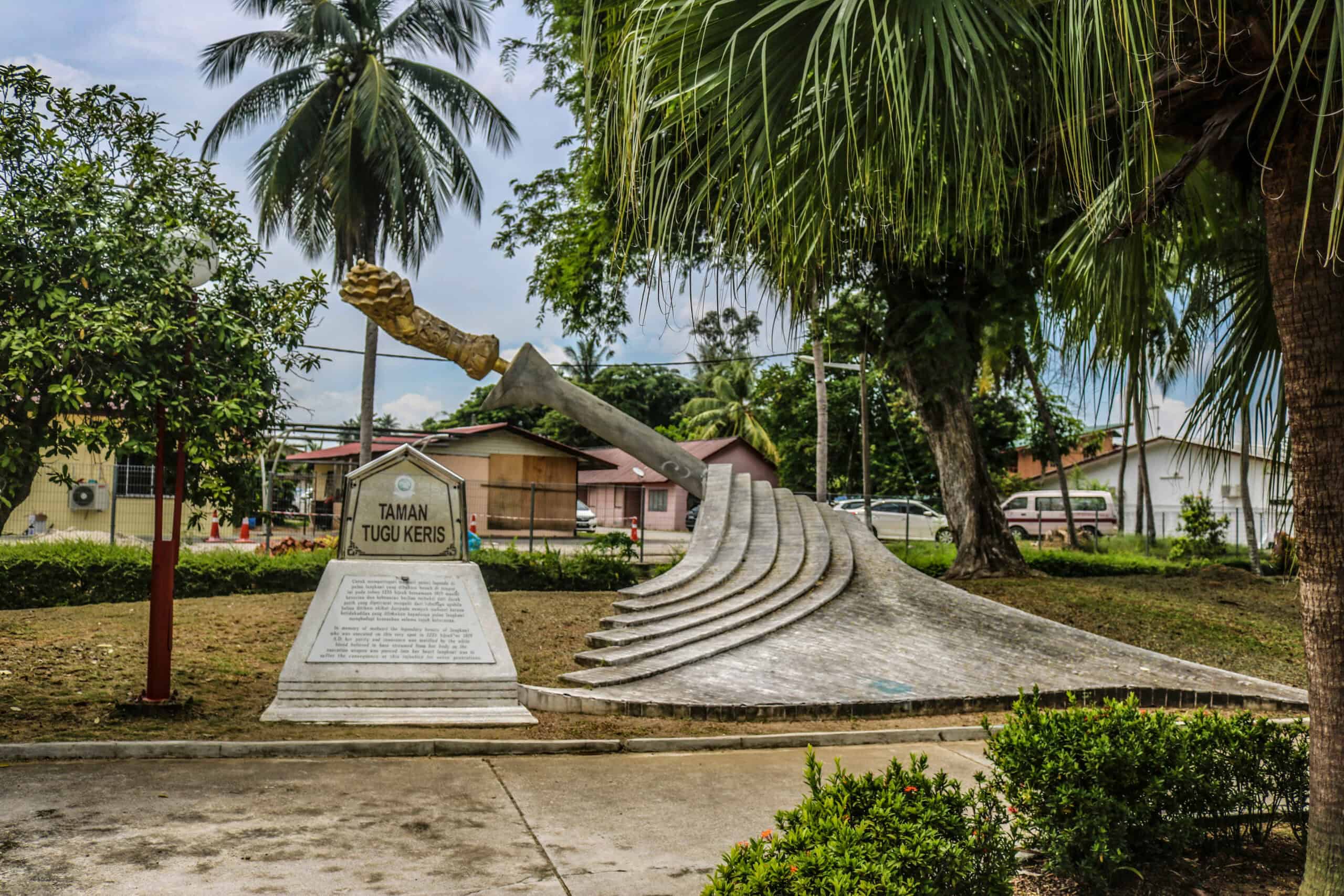
At present, the strongest evidence suggests that Wan Mali was a real historical figure connected to Langkawi and the broader Kedah resistance movement. Whether every story attached to his name refers to the same individual, and whether Wan Mali, Wan Mad Ali, and Wan Muhammad Ali were indeed one and the same person, remains a fascinating question for future research.
As with many figures preserved through a combination of written records and oral tradition, Wan Mali stands at the intersection of documented history, local memory, and family heritage, making him one of the more compelling personalities in Langkawi’s nineteenth-century past.
A Forgotten Chapter of Langkawi History
Langkawi’s history is often told through the lenses of tourism, geology, and legend. Much less attention is given to the island’s role during the turbulent conflicts that affected Kedah throughout the nineteenth century.
Unlike major battlefields elsewhere in Southeast Asia, sites such as Tanjung Mali, Cerok Genyit, Tanjung Kubu, and Bukit Masjid have received relatively little academic attention. As a result, much of their story survives through oral tradition, local historians, and community memory. That doesn’t make the history unimportant. In many parts of the world, oral history has preserved events long before they were formally documented by researchers or recognized by governments.
Tanjung Mali Today
Today, Tanjung Mali is once again the focus of public attention due to proposed large-scale development projects in the area. Debate has largely centered on environmental impacts, landscape preservation, and the relationship between development and Langkawi’s geopark status. Yet another question deserves consideration.
If local historical accounts are correct, has the historical significance of Bukit Tanjung Mali been fully investigated and documented? The answer may ultimately be yes. It may be no. But the question itself is worth asking.
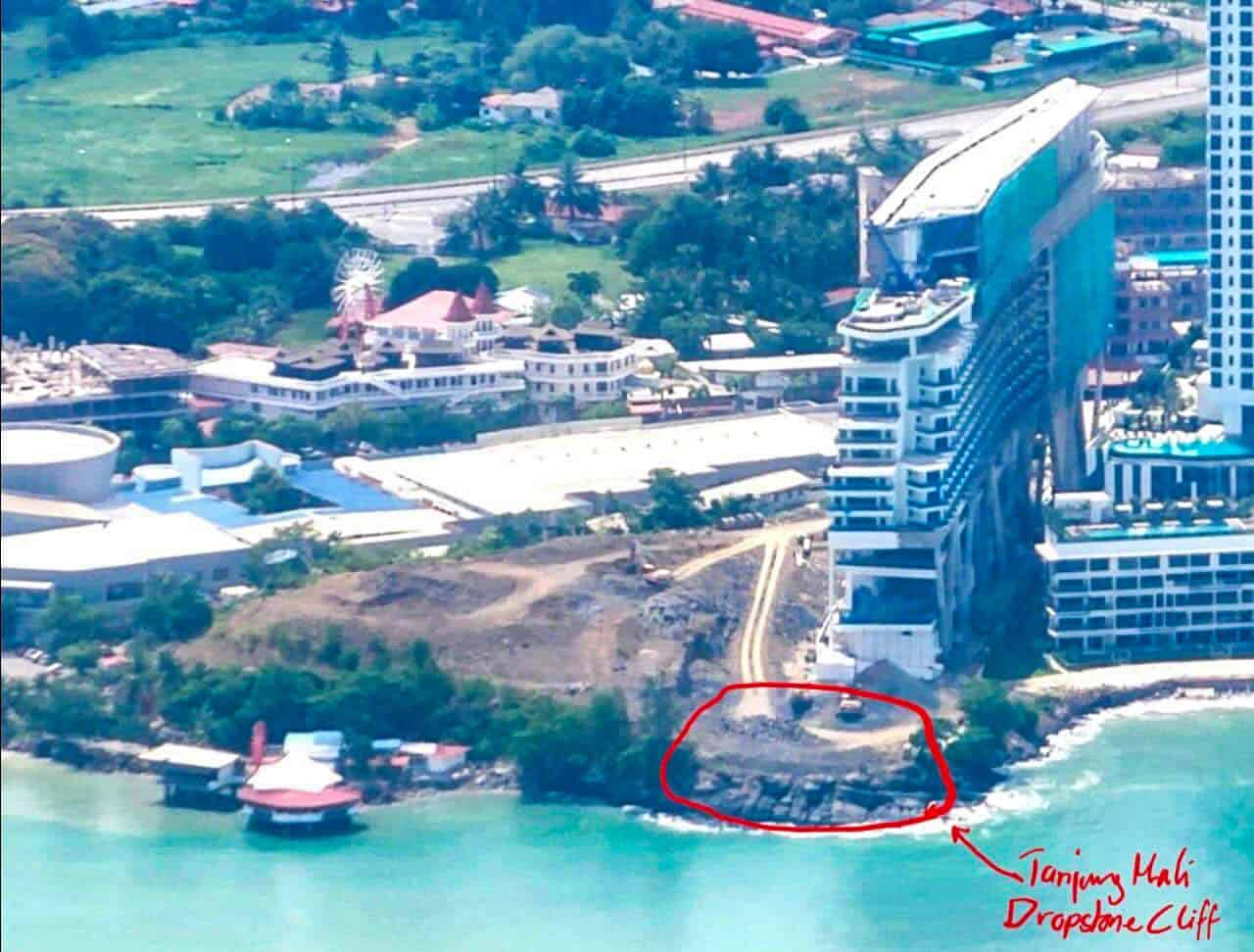
Because if Bukit Tanjung Mali was indeed one of Langkawi’s principal defensive positions in 1839, then it represents more than a scenic hill overlooking the sea. It’s part of the island’s historical landscape and a reminder of a period when Langkawi stood at the center of a struggle that shaped the future of Kedah.
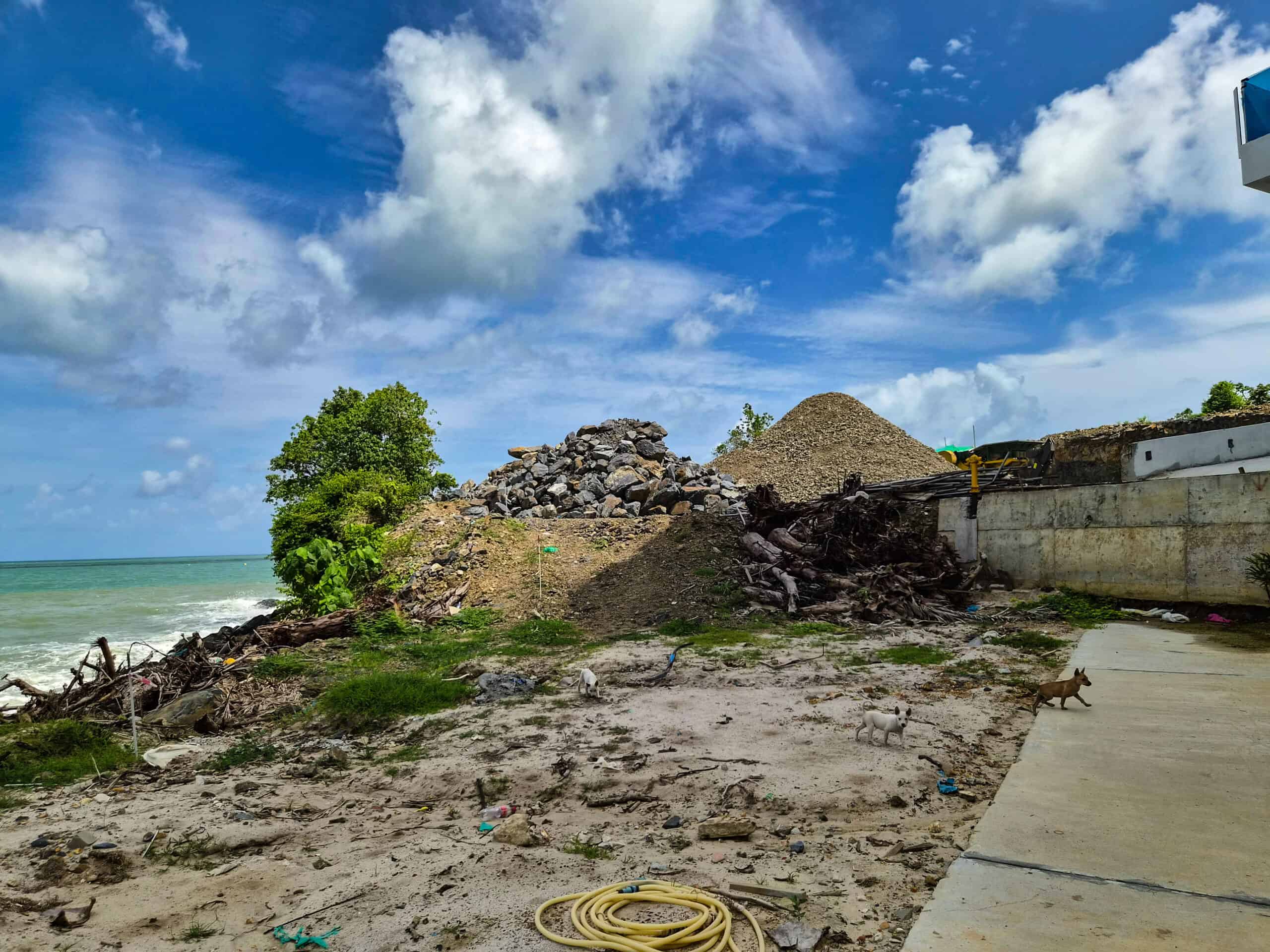
For nearly two centuries, the story of Tanjung Mali has survived through local memory. Whether preserved through archives, archaeology, or oral history, it’s a story that deserves to be recorded before it’s forgotten.
This post was written from information provided by local historians, oral traditions, and publicly available historical sources. Additional information or corrections are welcomed.

Leave a Reply