
Of all the festivals in Malaysia, the annual Rainforest World Music Festival in Kuching, Sarawak, is one I continue to recommend everyone attend at least once in their lifetime. It’s a festival packed with world music, workshops, craft, music and dance demonstrations, food galore, and a hefty dose of Sarawakian culture and heritage.
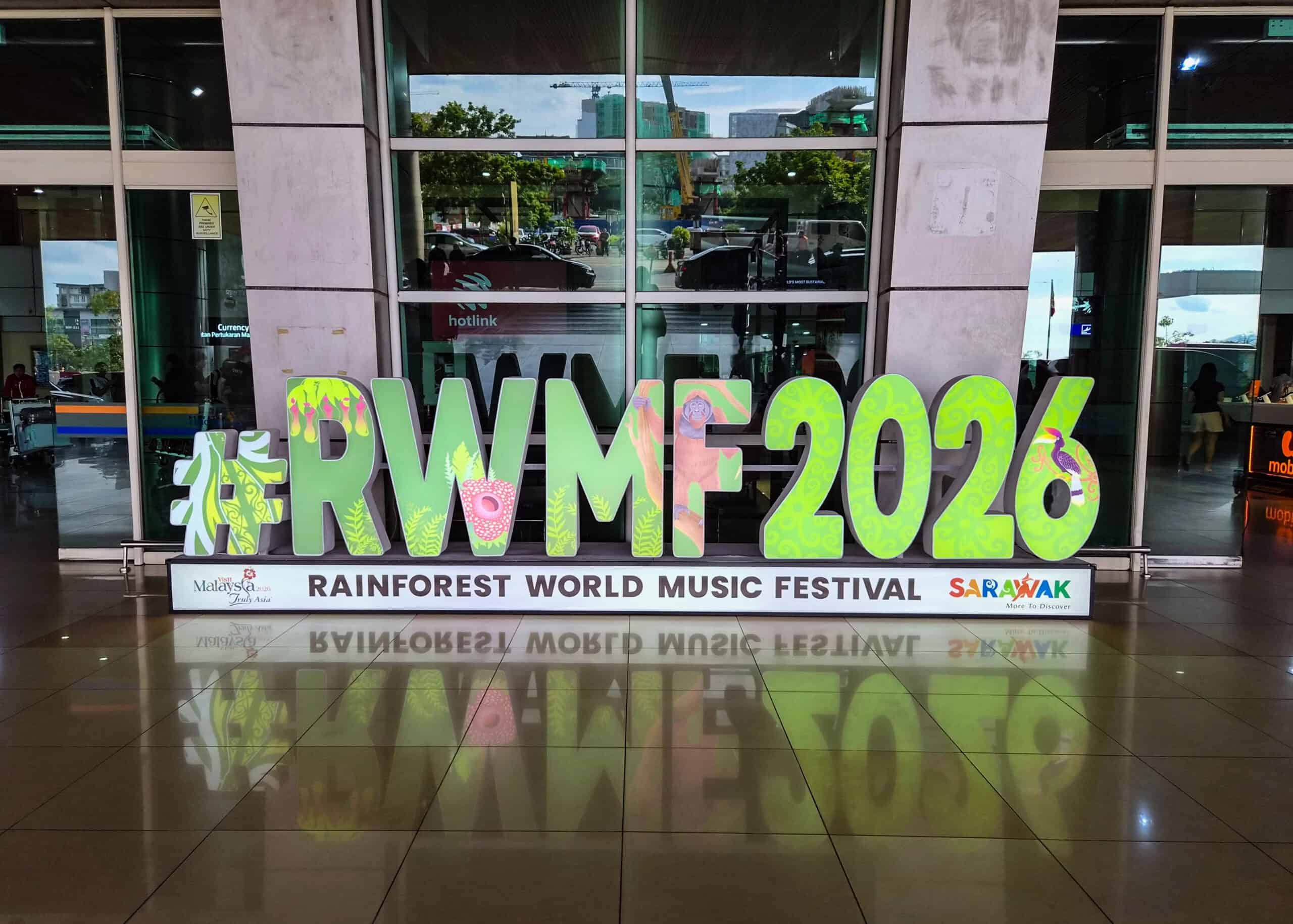
I’ve been to the Rainforest World Music Festival five times over the past 14 or so years, but honestly no two festivals are exactly alike. And this year’s 29th edition was no exception. The festival’s theme, Regenerations: Roots & Rhythms, also felt especially fitting to me as I’ve recently been looking more closely at my own family history and the Austronesian branch of my ancestry. As a result, the press conference conversations touching on heritage and identity felt even more personal.
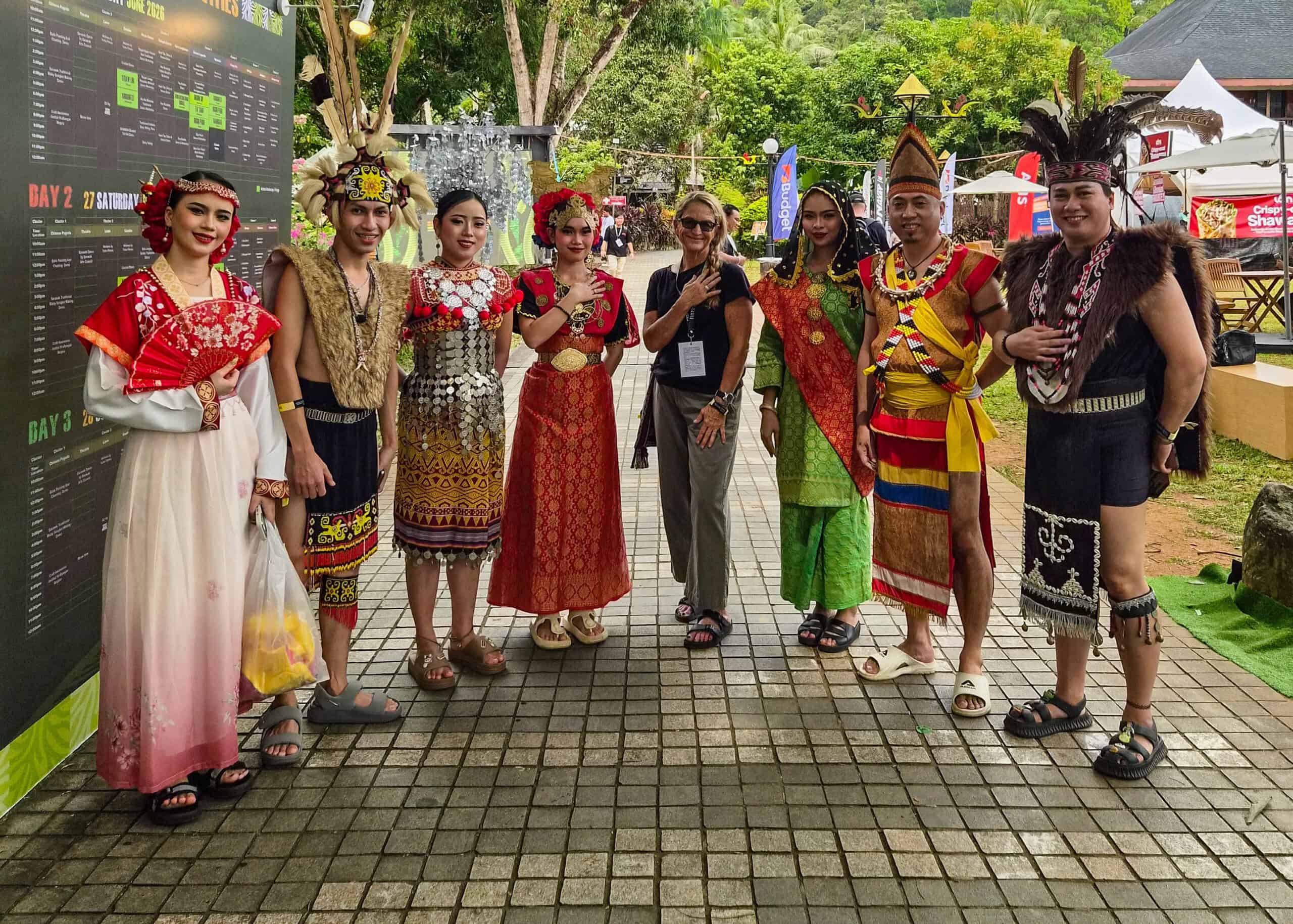
Last year, I spent most of my time moving between performances and media commitments. This year, I still had the daily press conferences, but I also had the chance to slow down and spend more time exploring the festival itself.
Around the Festival Grounds
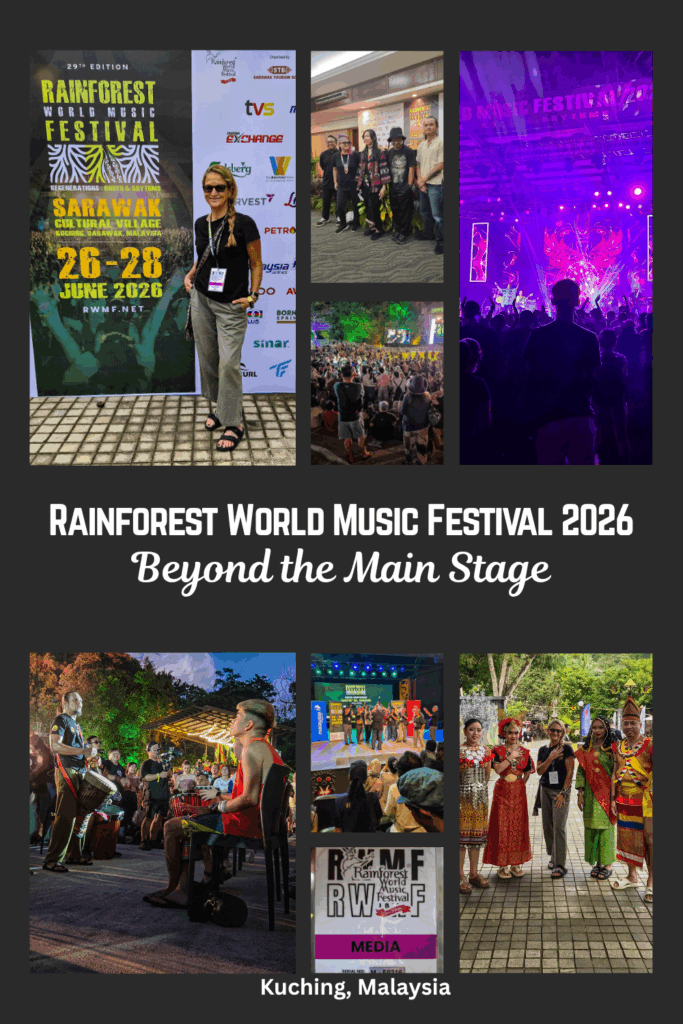
I’d forgotten just how much there is to see before the first bands even walked on stage. By mid-morning, people were already gathering for workshops, chatting over coffee and wandering between the longhouses. By the end of the weekend, more than 200 performers from 13 countries had taken part, but the festival never felt like it revolved around the main stage alone.
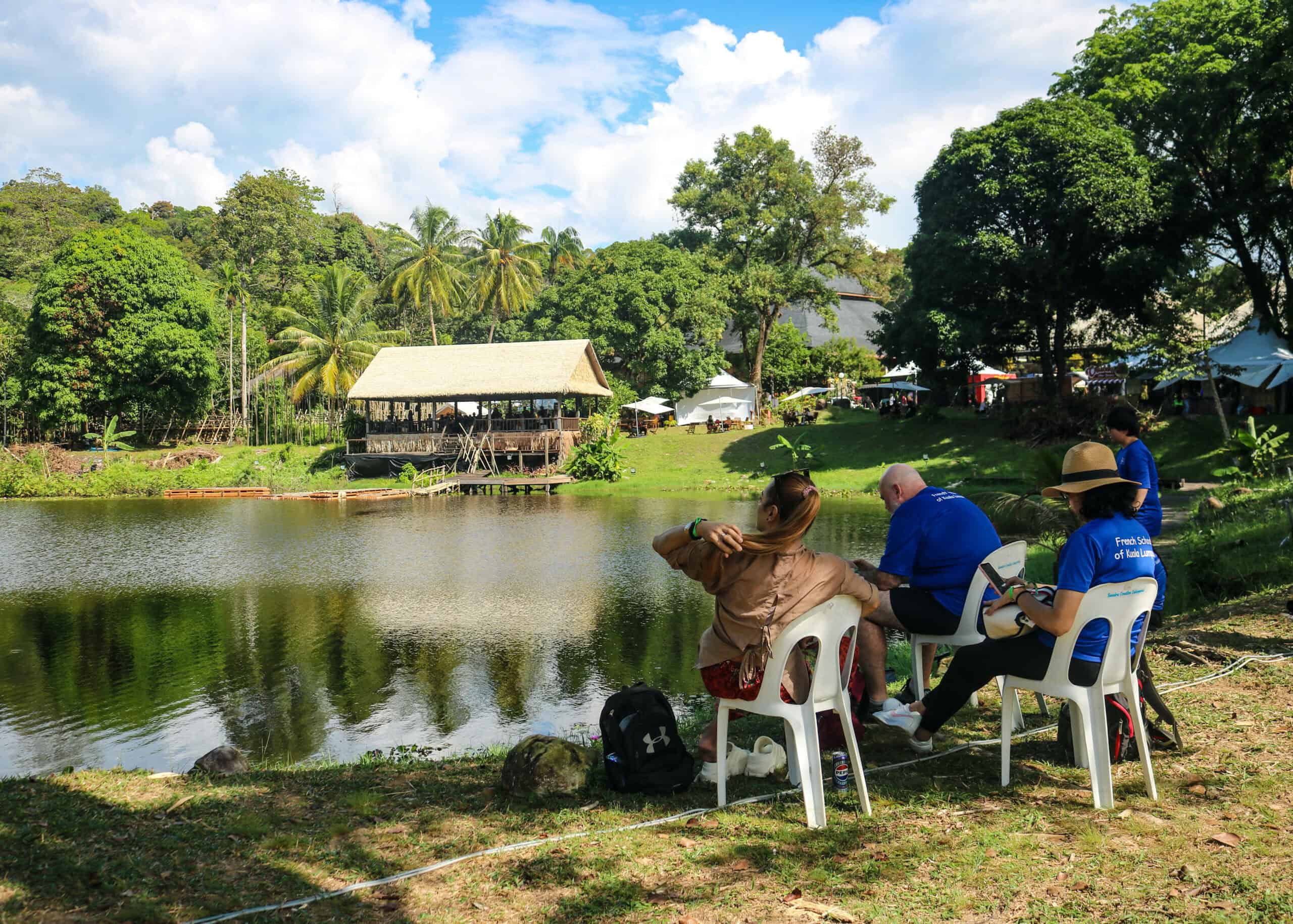
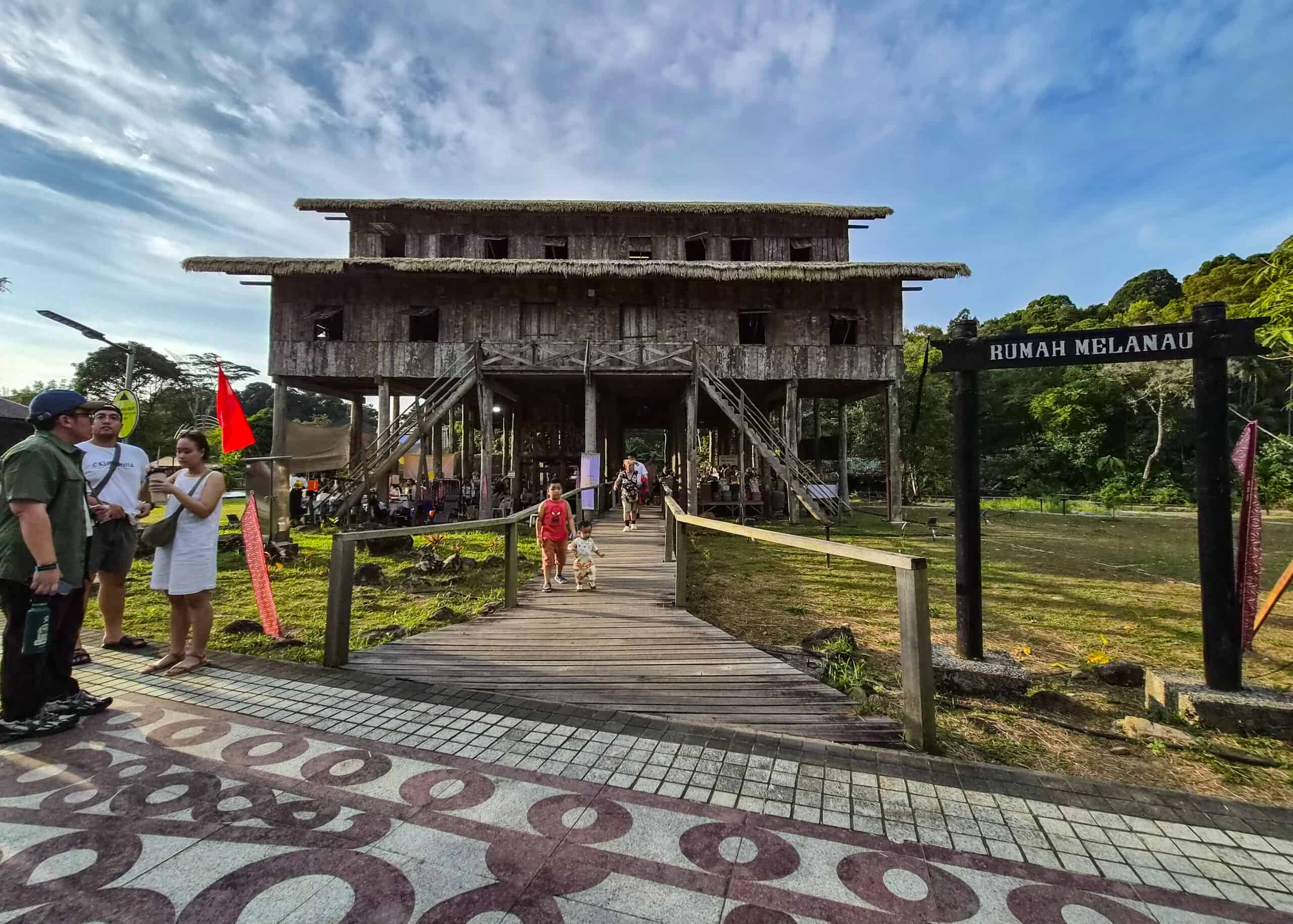
That may be why I noticed fewer Western visitors seemed to have attended this year. There may be an erroneous notion that this festival is all about the concerts, when in reality it’s a cultural festival with music at its heart. Promo videos show loads of flashy dancing and stage presence under bright lights, but trust me, it’s much more diverse than that. And surprisingly the festival’s popularity among Malaysians has no age limit.
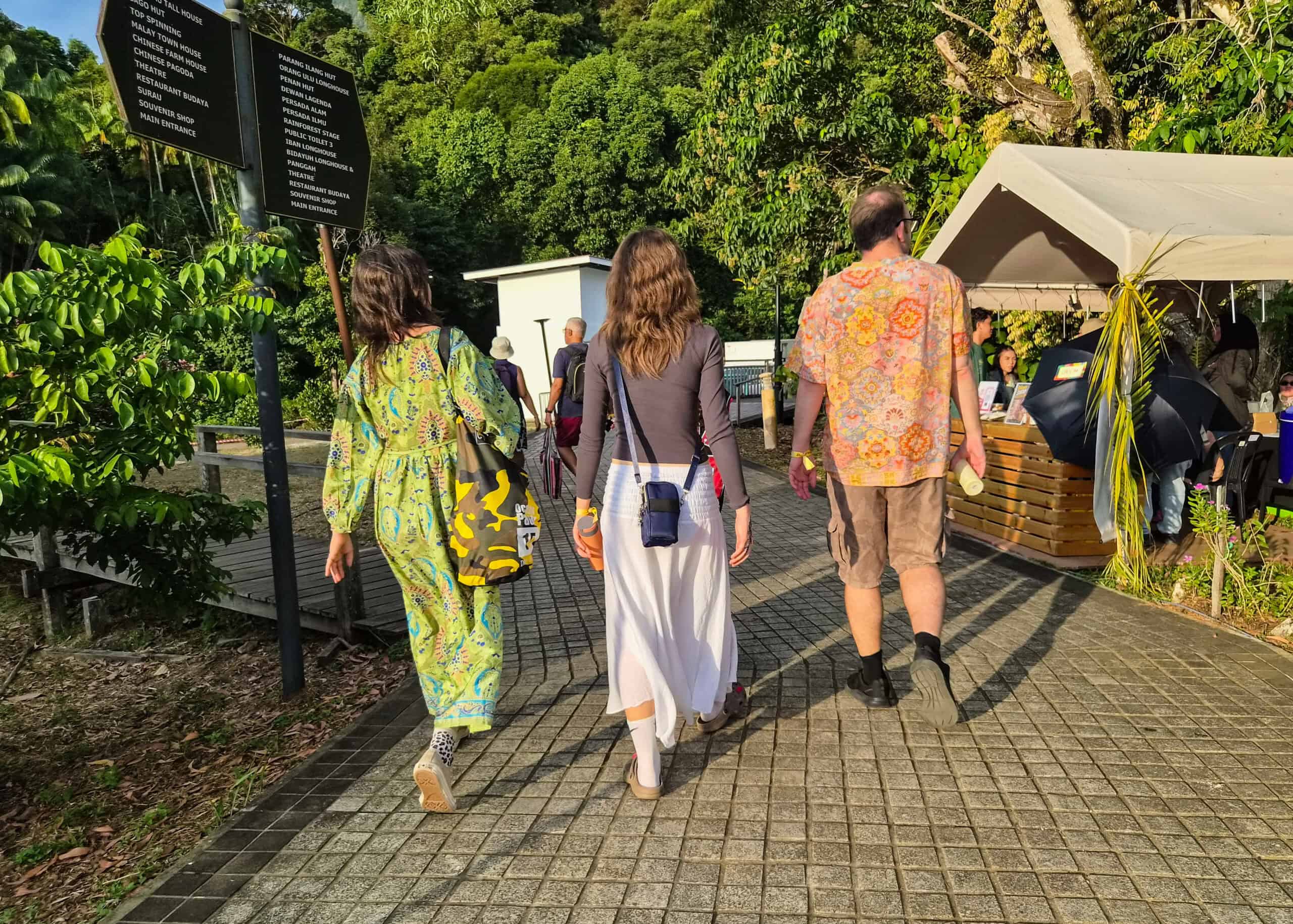
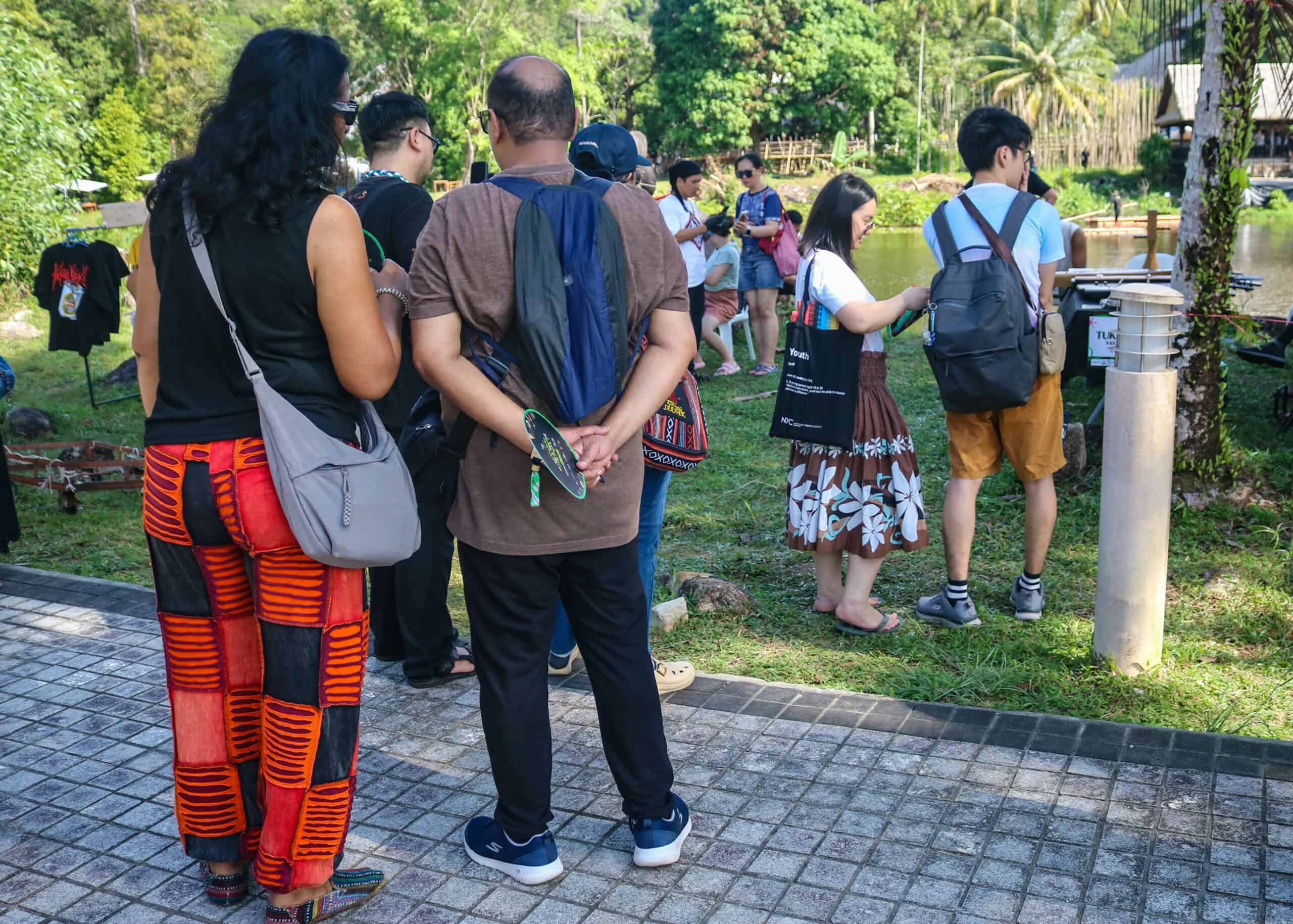
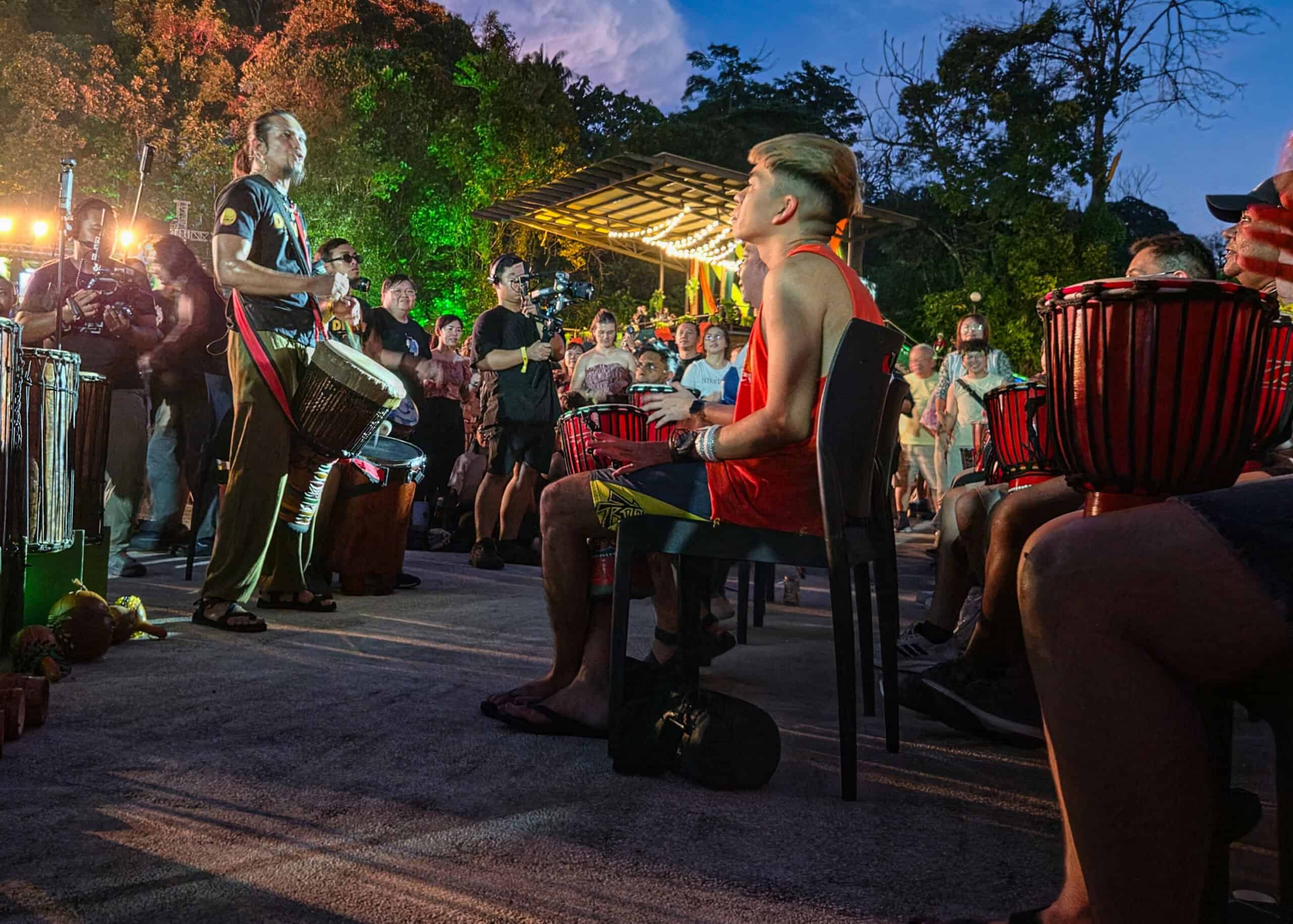
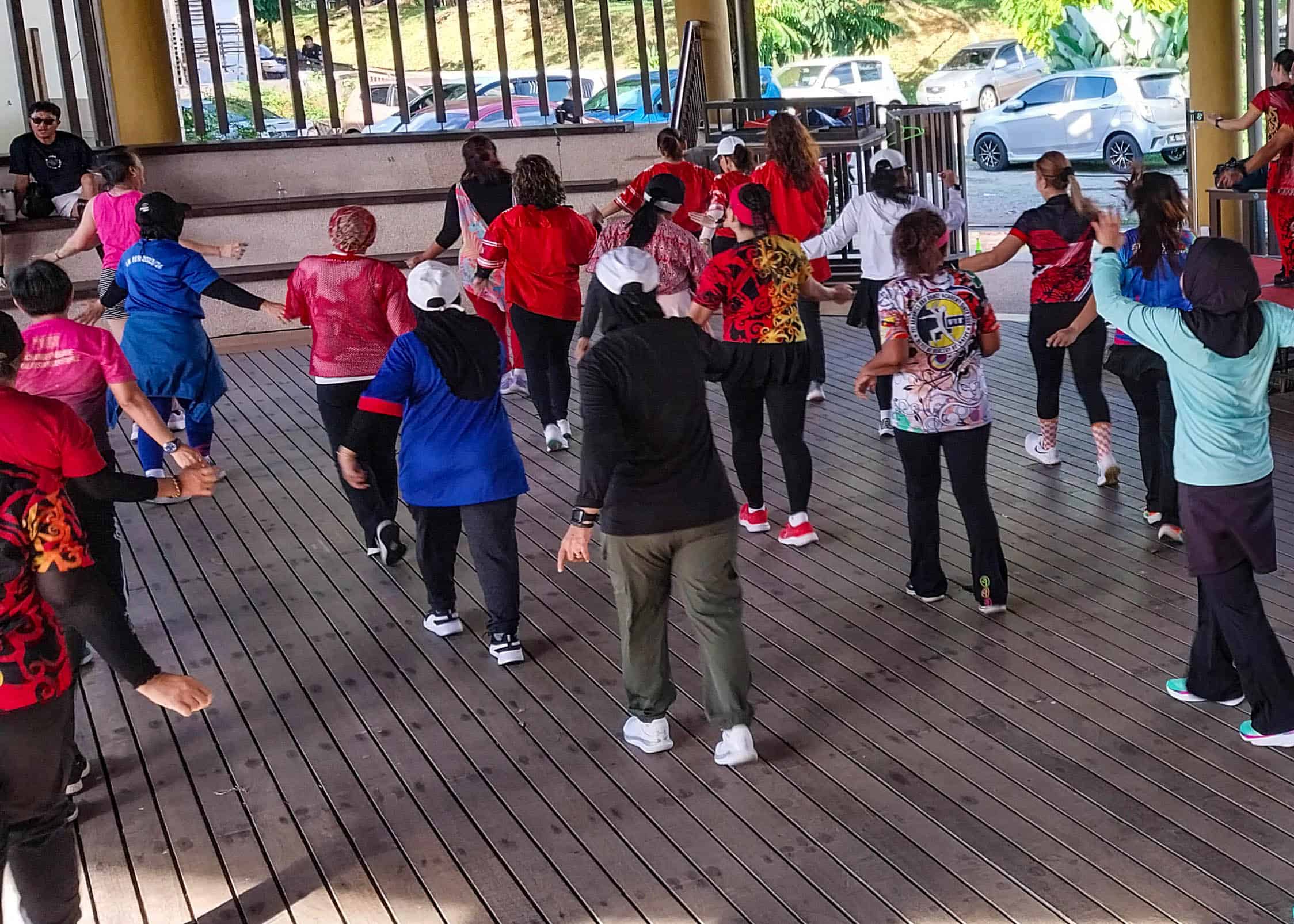
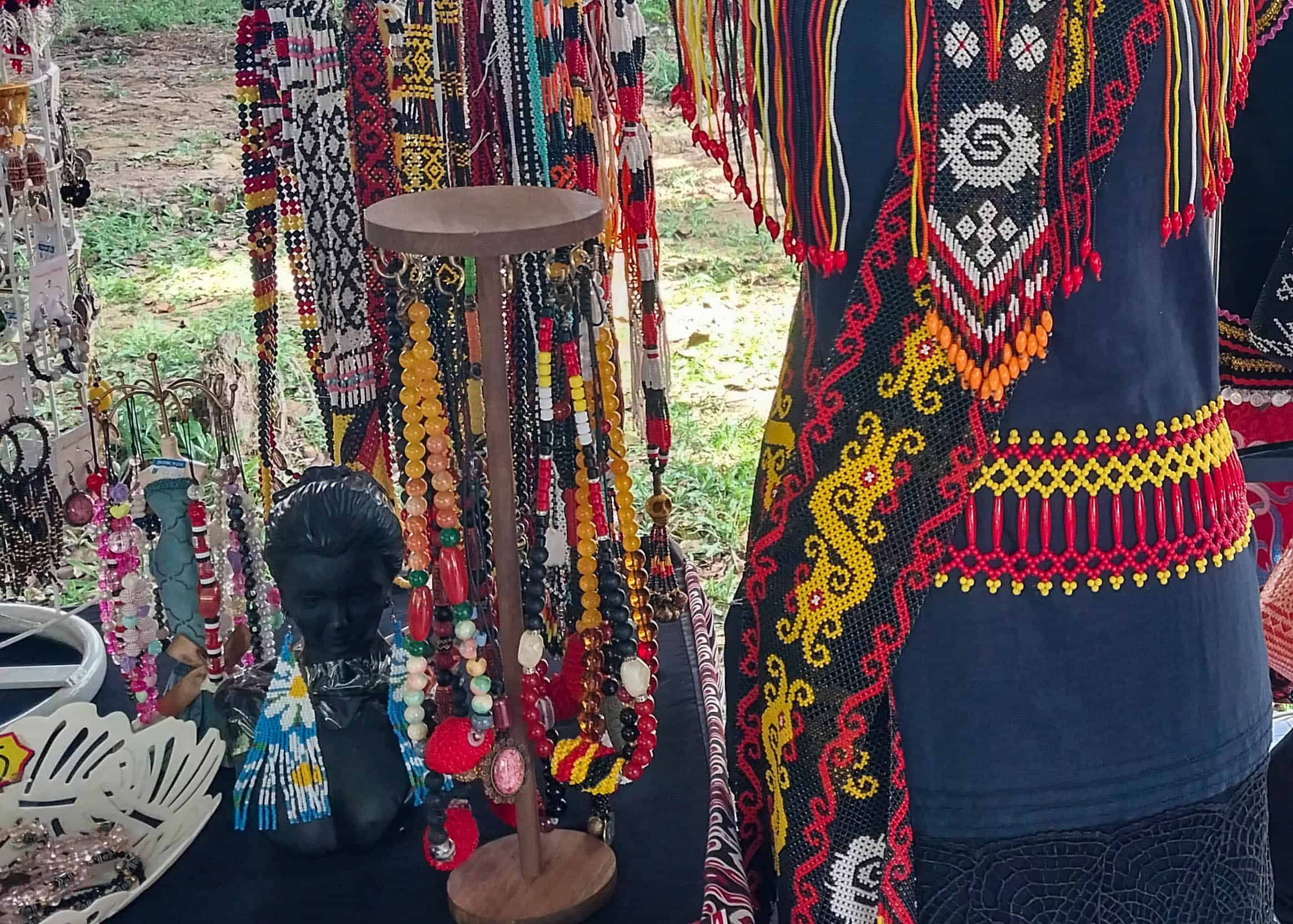
One minute, a drum circle was drawing in anyone willing to keep the beat. Around the corner, festivalgoers were learning traditional dance steps, while another group sat patiently threading colorful beads under the guidance of local artisans. It wasn’t just tourists giving things a go. Families, children and even seasoned festival regulars joined in. Nobody seemed worried about getting it right. They were simply there to have fun and try something new. Or perhaps retry something they reluctantly learned from their elders when they were kids.
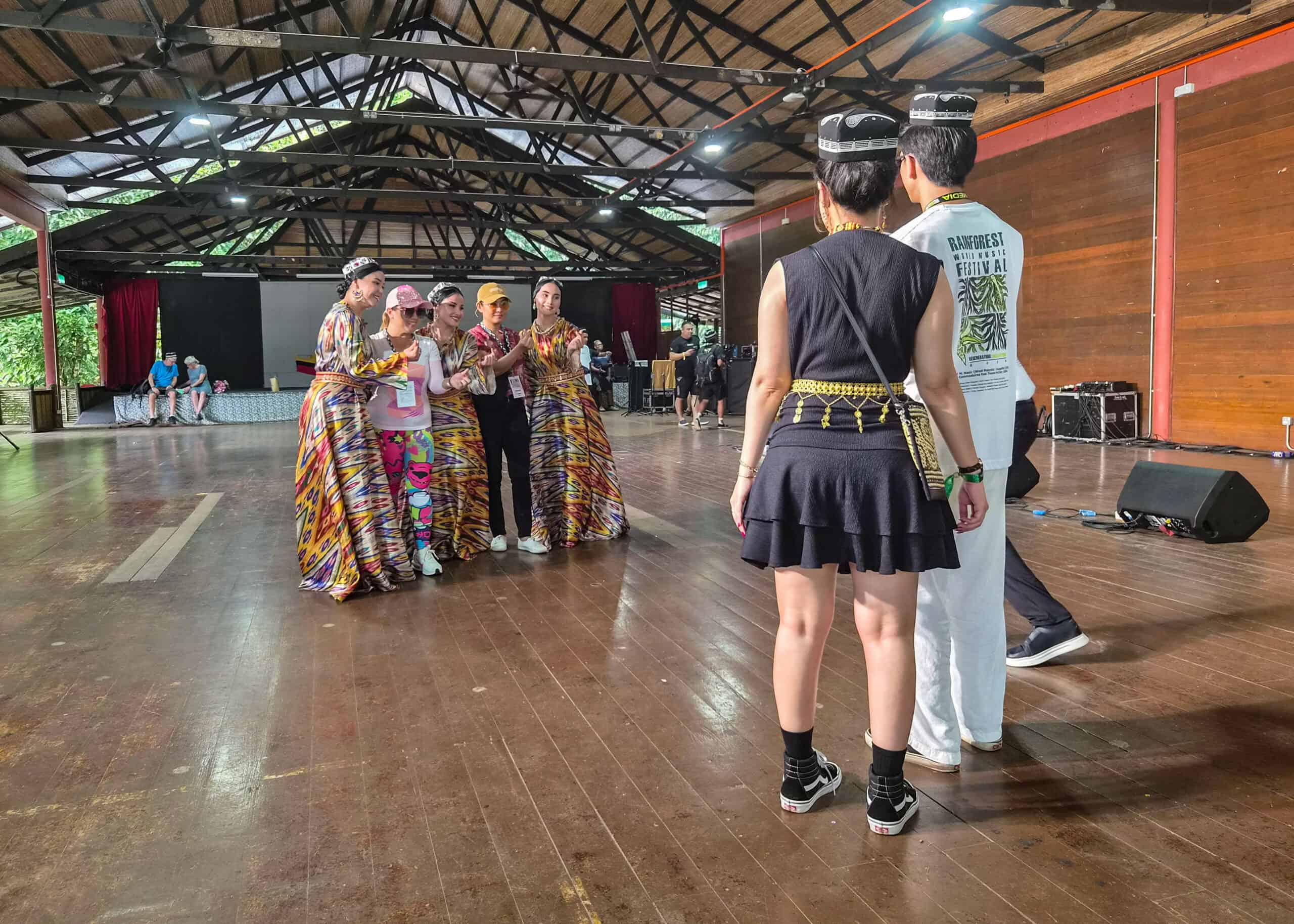
From the official festival itinerary, I counted nearly 60 daily workshops and activities scheduled throughout the 3-day festival weekend, and 5 community outreach programs. Fringe events also spilled out beyond the festival grounds to the nearby beach pavilion. It would be impossible for anyone to be bored with so many options available that’s for sure.
Inside the Press Conferences
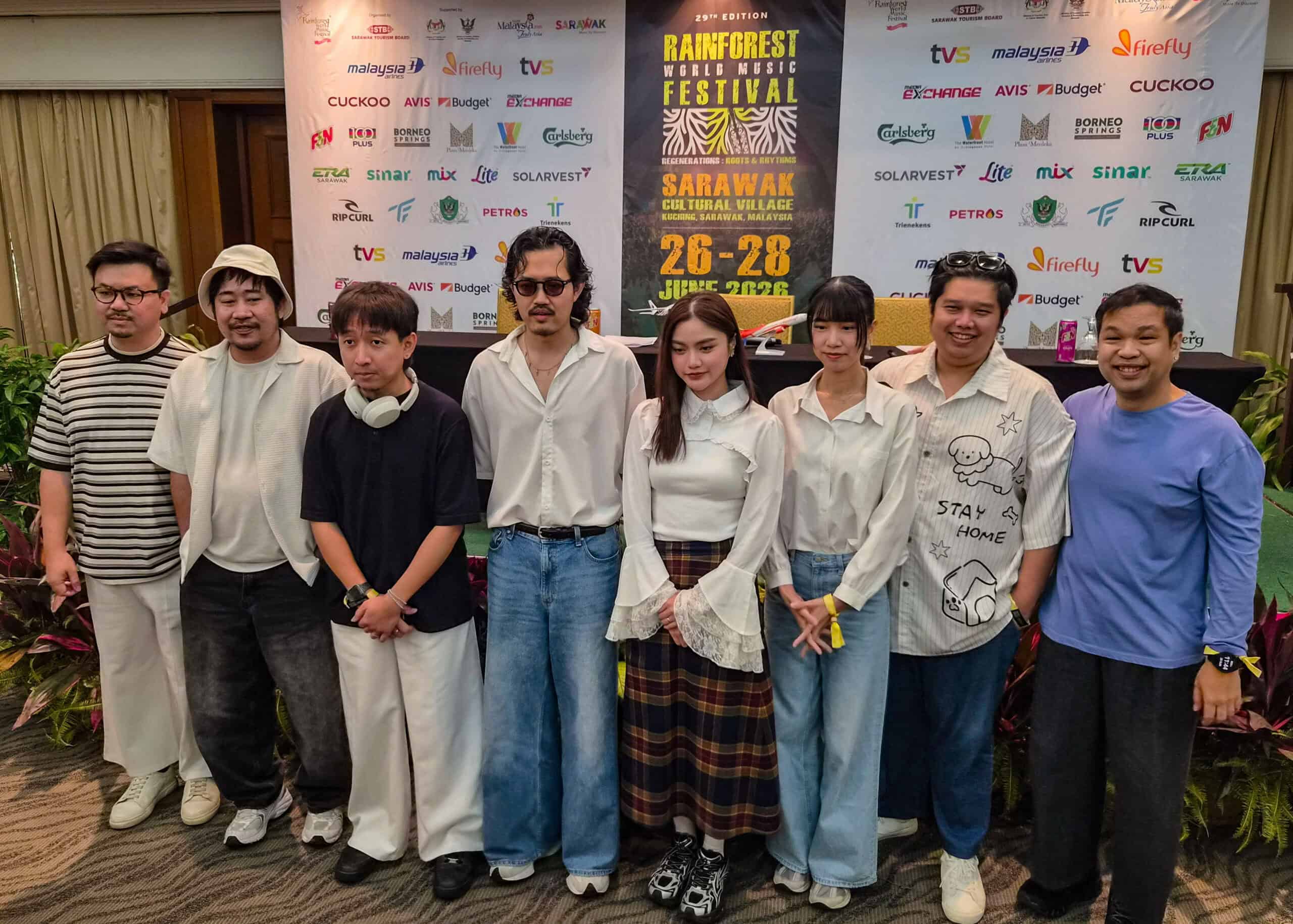
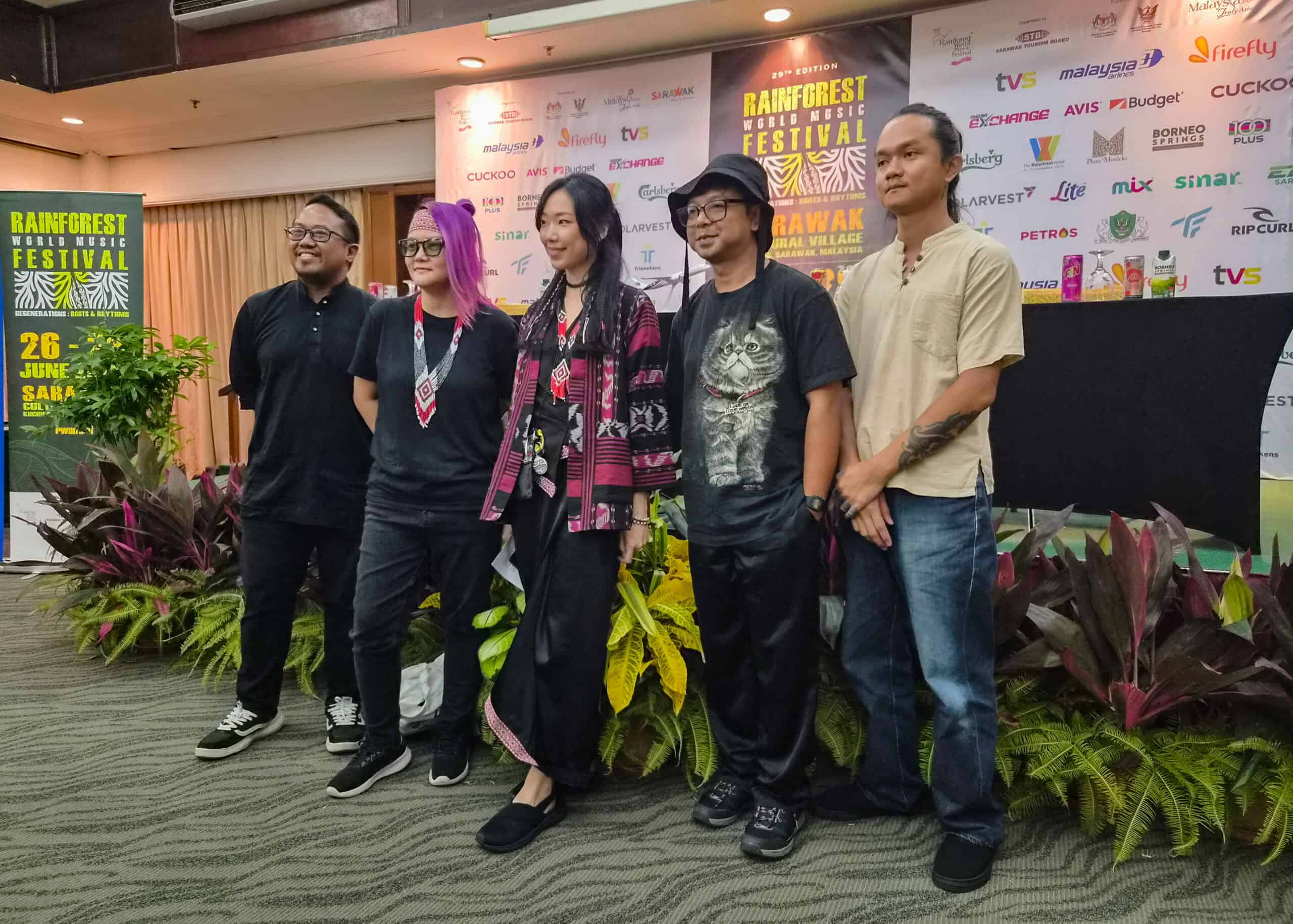
Of course, my media pass also meant I spent part of each day at the press conferences, and those sessions offered a completely different perspective. Away from the stage, the musicians were relaxed and happy to talk about what they’d experienced in Sarawak. Within the more intimate, festival press conference spaces they seemed more inclined to speak from their hearts.
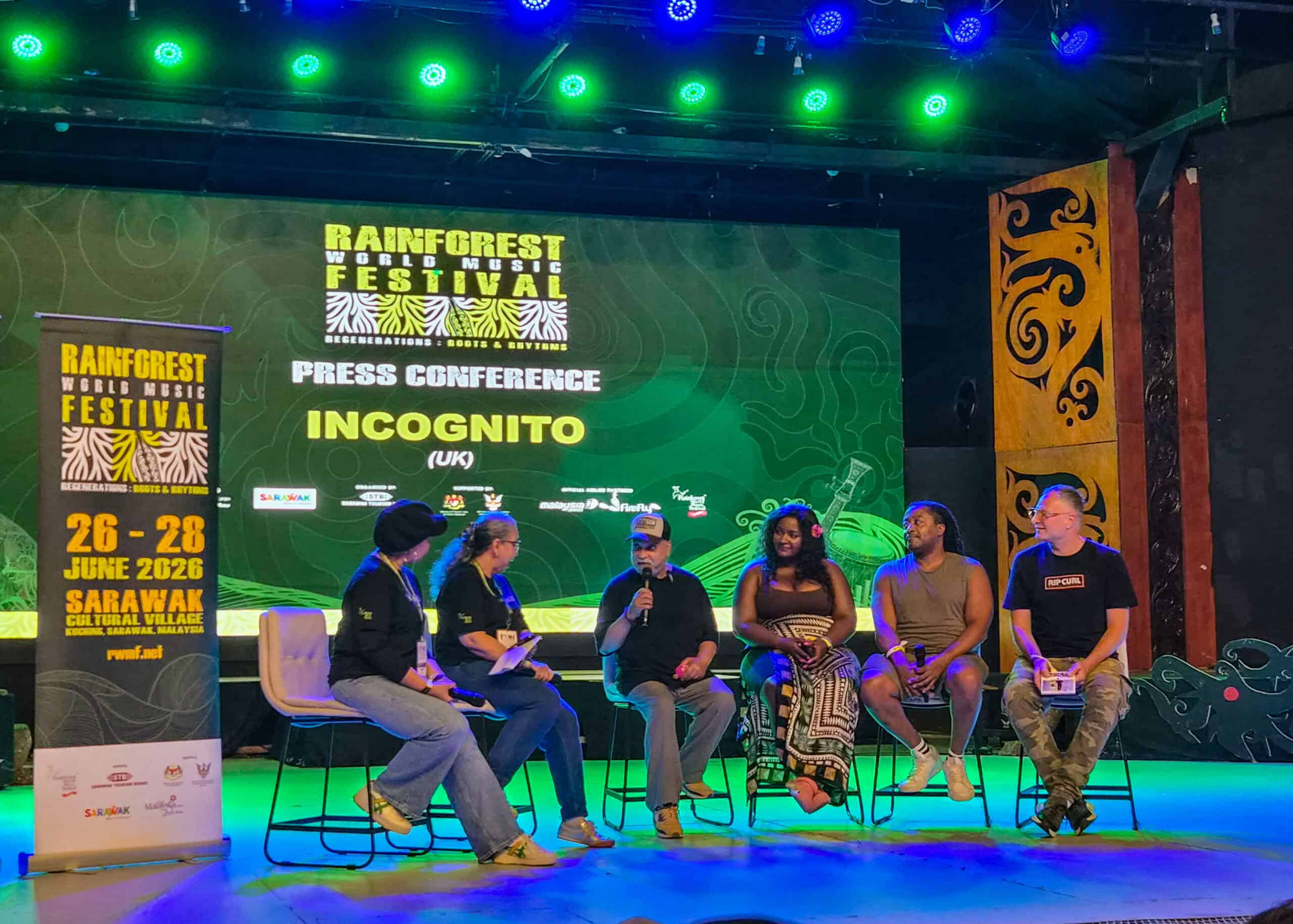
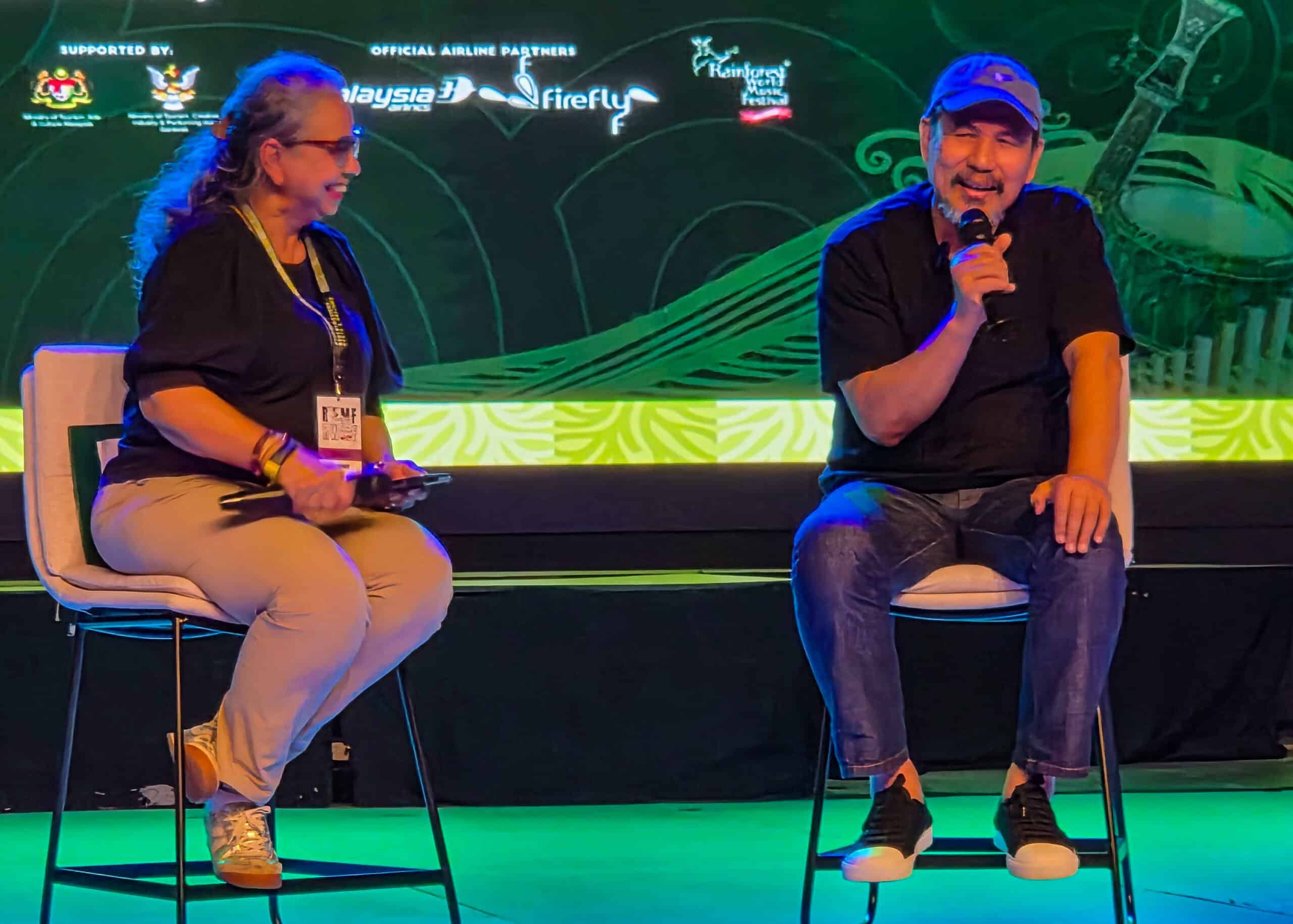
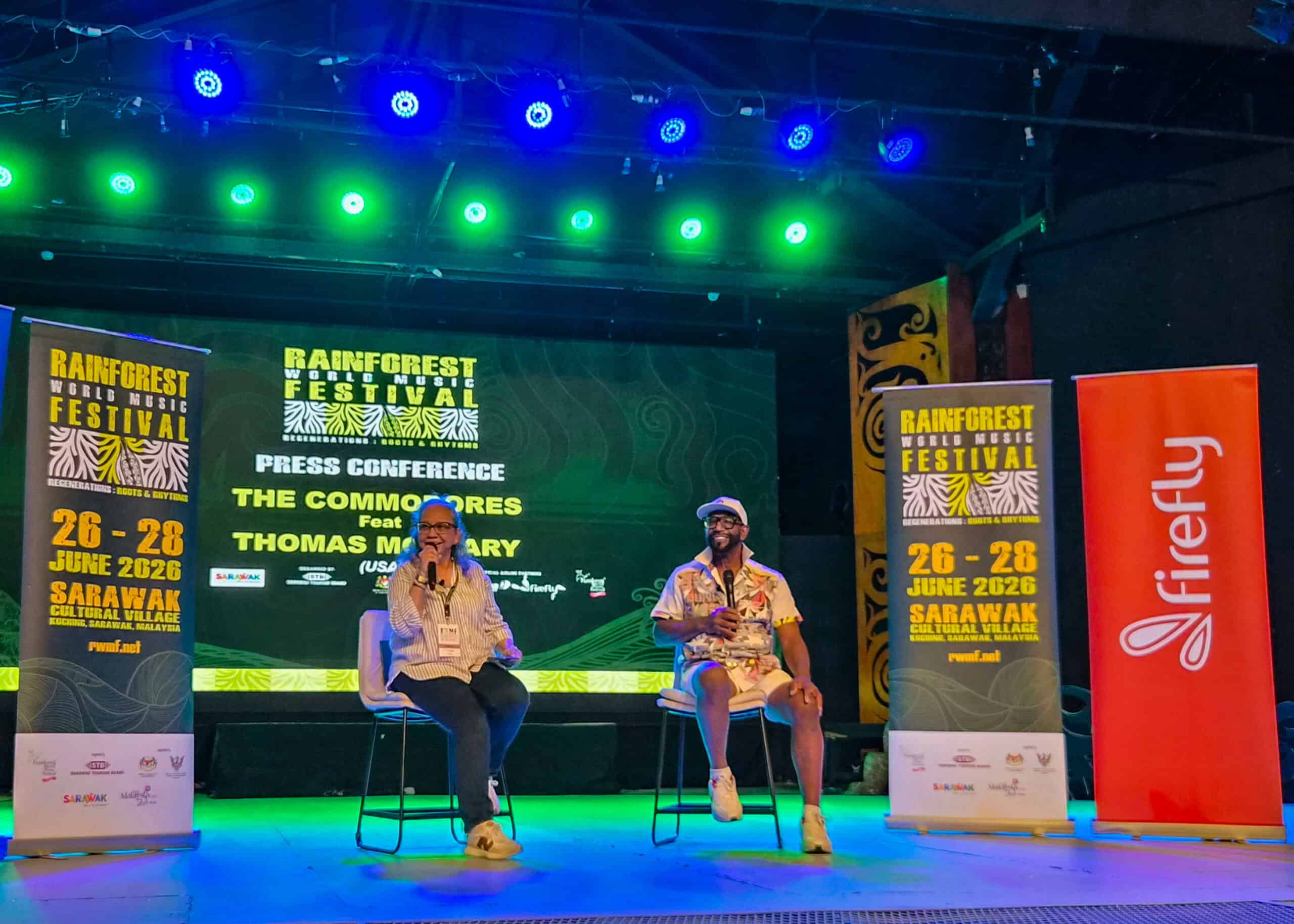
Members of Incognito spoke about hearing the sape for the first time and wanting to explore more of the state before flying home. Thomas McClary reflected on how younger musicians continue to shape the future while building on the music that came before them. Dato’ M. Nasir, as well as Thomas McClary, shared their thoughts on artificial intelligence, describing it as another tool for musicians rather than a replacement for creativity.
Artists Who Stood Out
But in addition to the pearls of wisdom and insight offered by the festival’s headliners, other bands spoke passionately about their music and the relatable realness behind it.
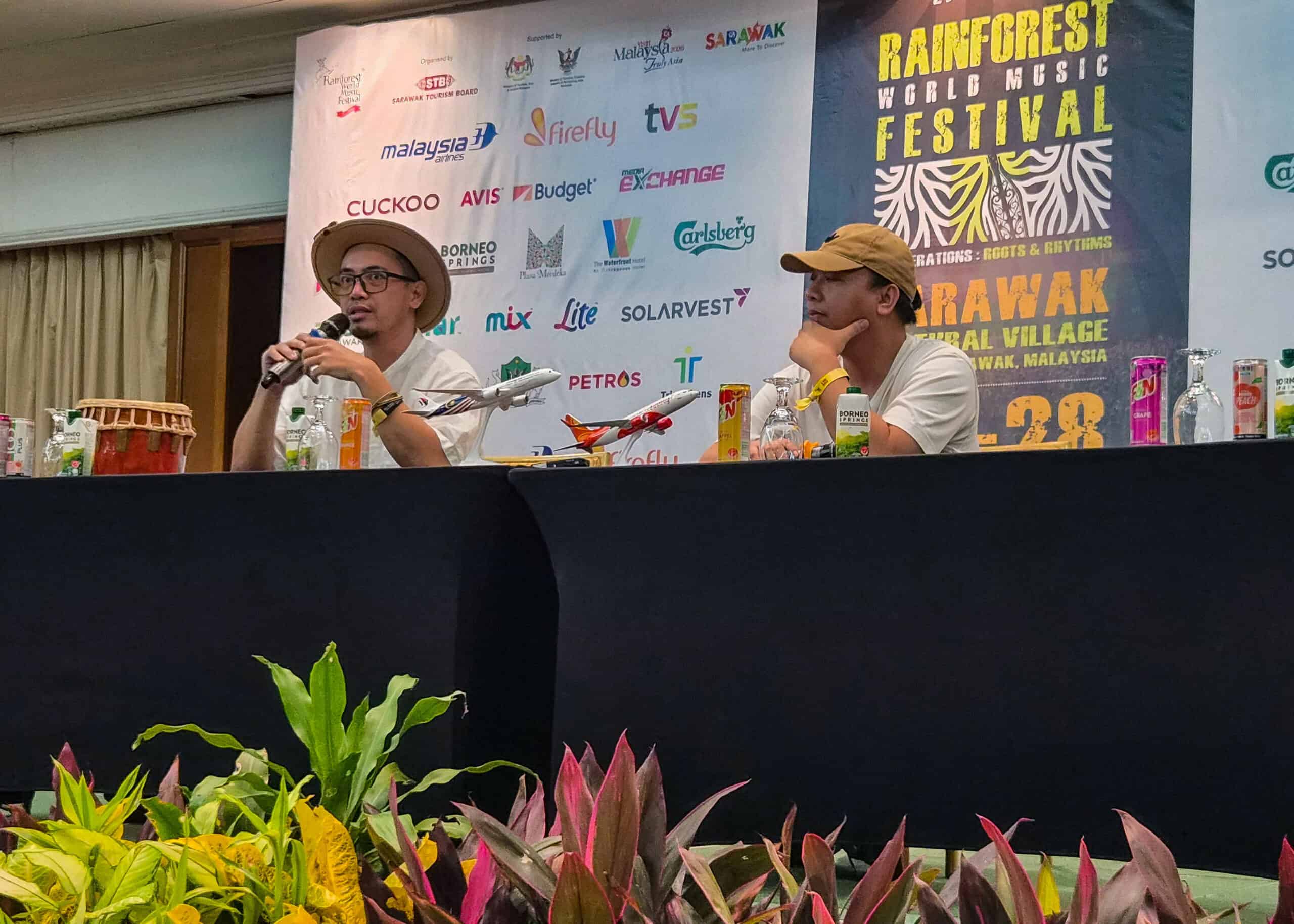
Ta’Dan, Asia7, Straw Lim, SambaSunda, Drum Up, and Benin International Musical all referenced their present music in relationship to nature and/or their own heritages. Absolutely zero PR fluff. A refreshing change from the mainstream redundancy of many of today’s ‘trendy’ music and social media playlists. Hearing them speak in person and then translate their stories on stage was especially powerful.
Seeing Their Stories Come to Life
Multilingual singer-songwriter from Sabah, Straw Lim, performs in Mandarin, English, and Malay. Her songs explore identity, belonging, and cultural connection, drawing on experiences from living and working in different places. Rather petite in person, her energetic stage presence is anything but. She seemed to fill the entire stage from the moment she walked on.

Benin International Musical brings the sounds of Benin, West Africa to the stage through a mix of traditional Vodun rhythms, Afrobeat, Highlife, and other contemporary African influences. Music, dance, and storytelling all play a part in their performances, giving audiences a glimpse into the country’s cultural traditions while showing how those traditions continue to evolve.
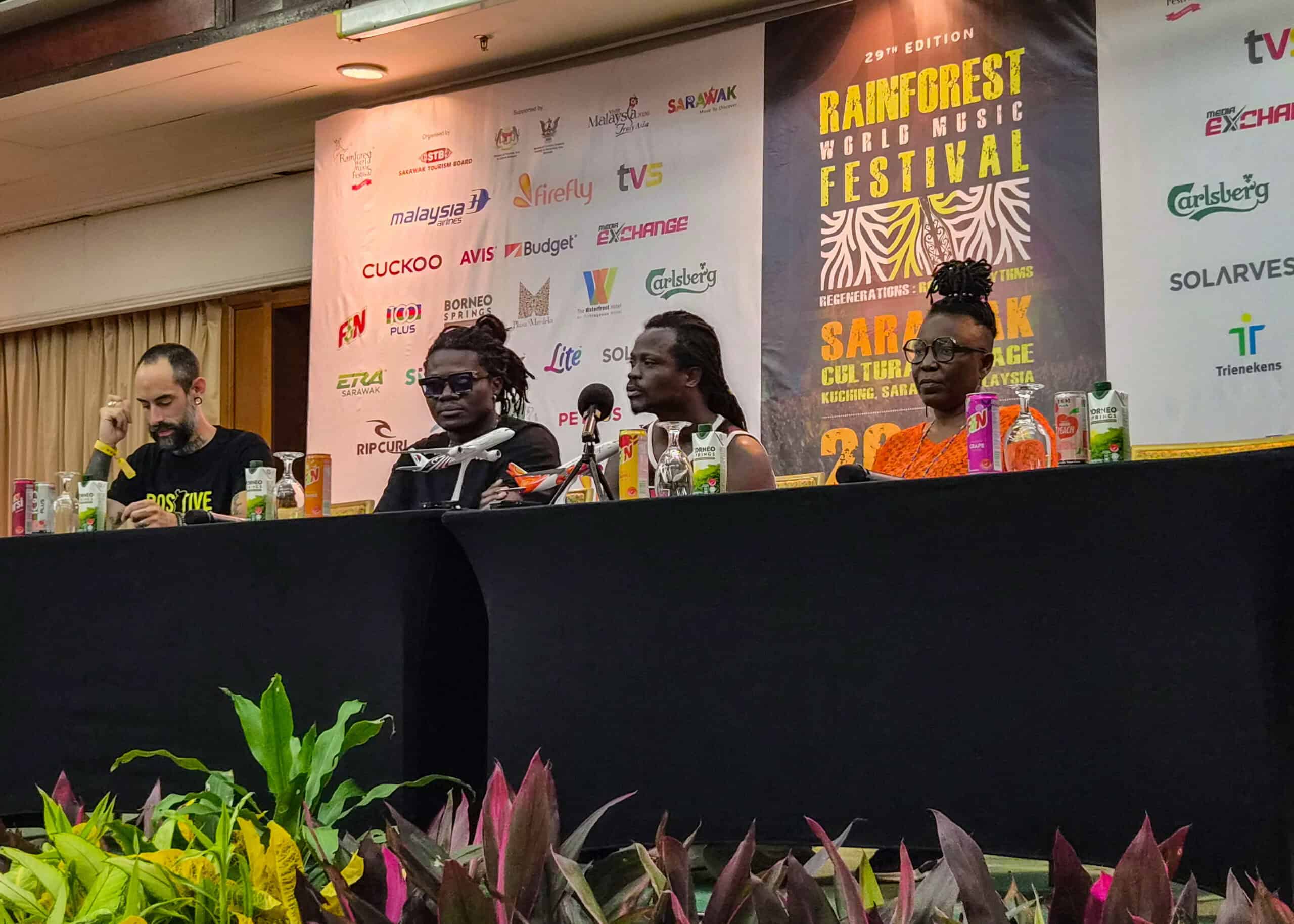
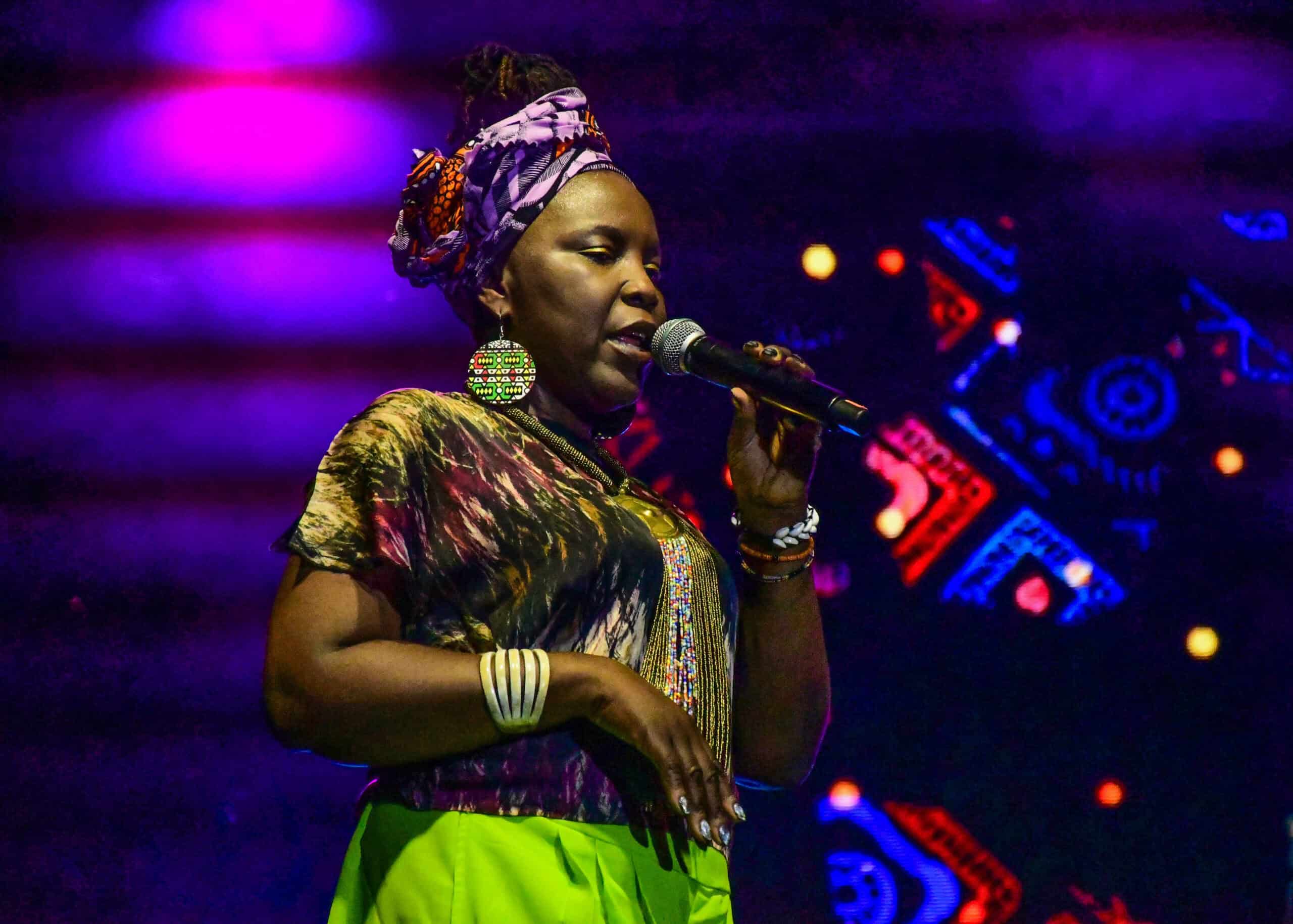
I had to double check my press conference notes when I saw them on stage because they had completely transformed from their day-to-day personas and I didn’t recognize them. To steal a cheesy word, I was completely mesmerized by their performances.

Indonesia’s SambaSunda takes traditional Sundanese music and gives it a contemporary twist. Using instruments such as the kacapi, suling, and bamboo percussion, the group stays true to its roots while bringing something fresh to the stage.
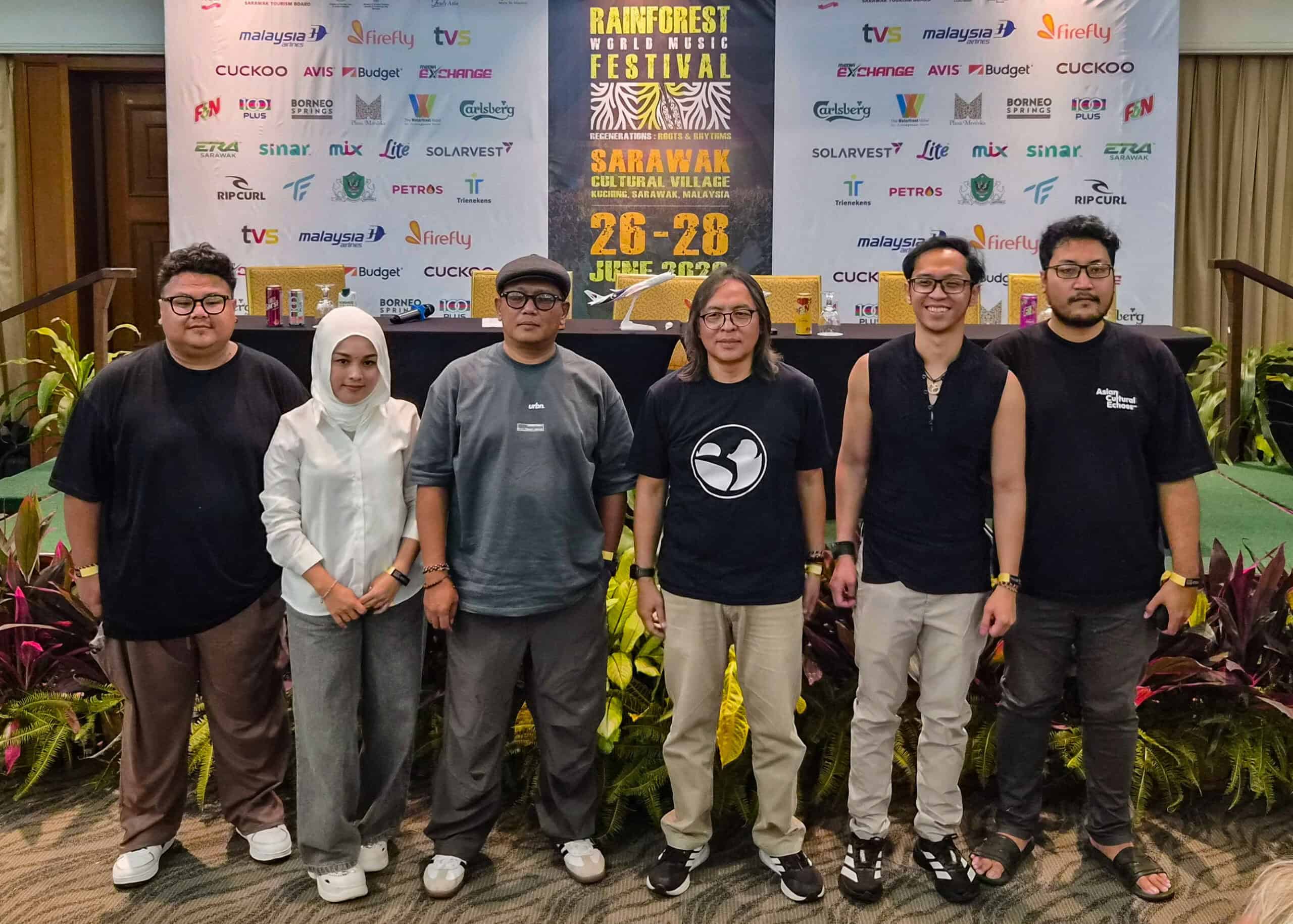
The SambaSunda father-son charming back story centers on founder Ismet Ruchimat and his son, Hirdzan Maulana (Ocky). As the band’s musical mentor, Ismet passed down the rich cultural wealth of traditional West Javanese music to his son and both shared the stage at this year’s festival.
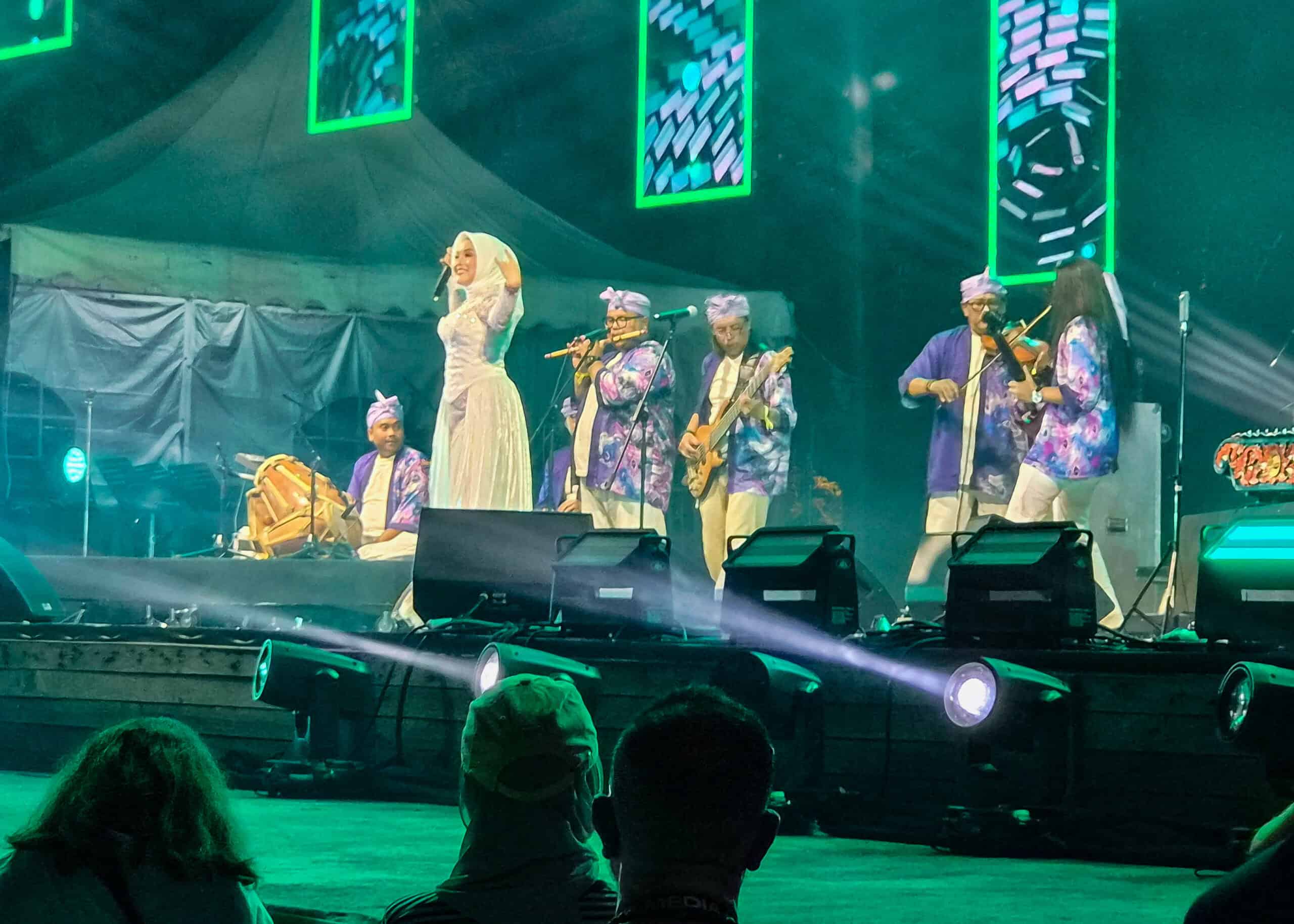
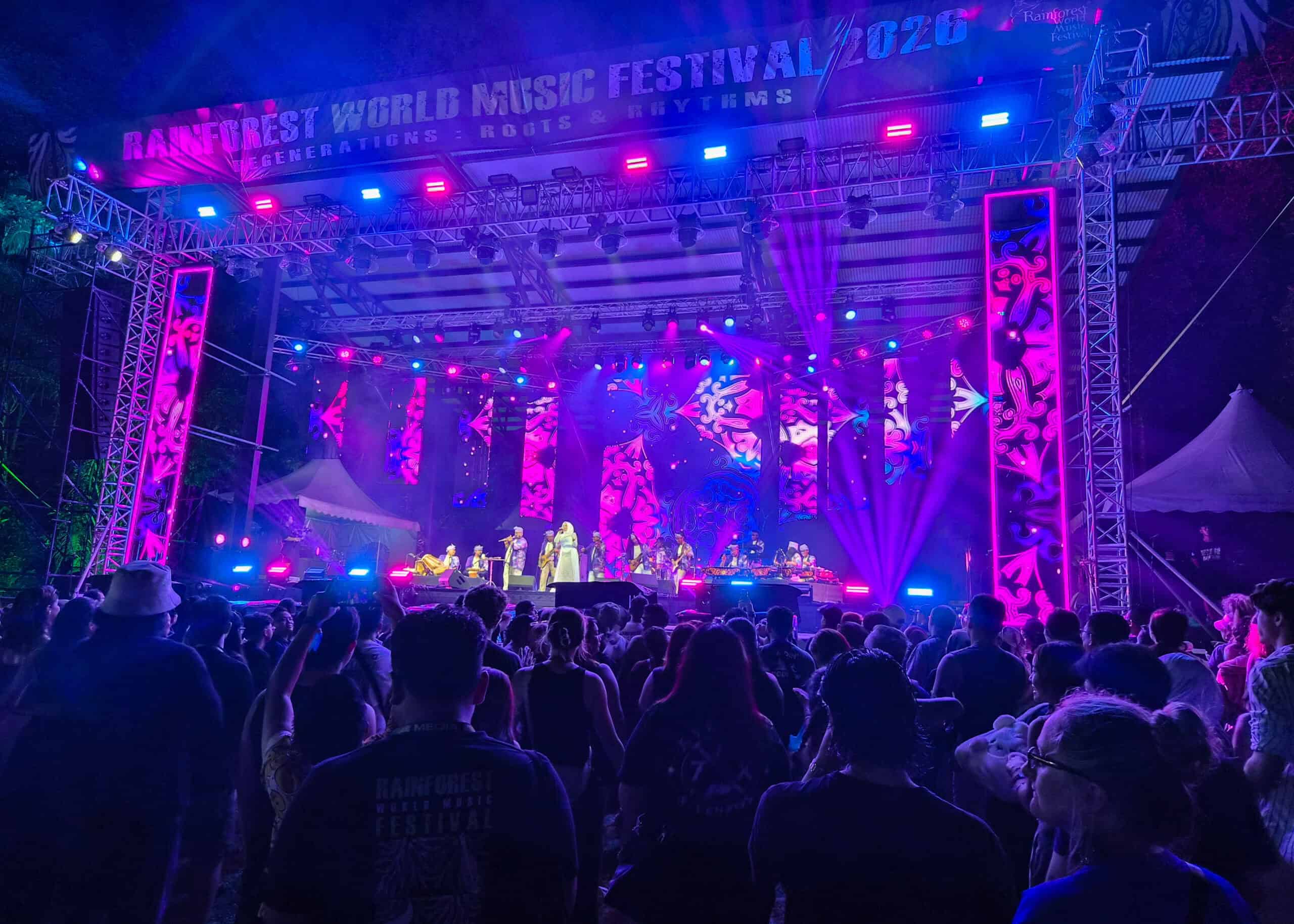
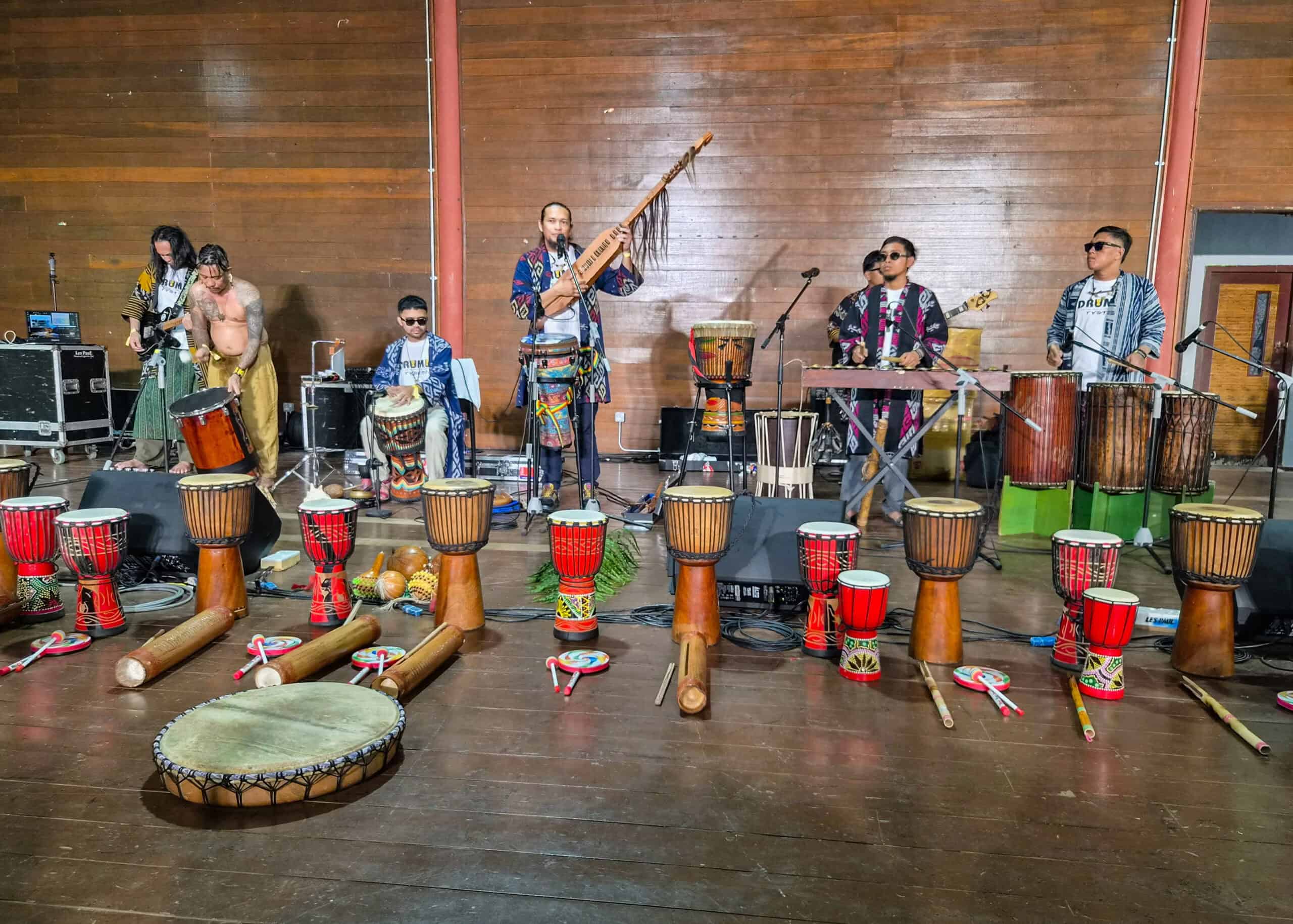
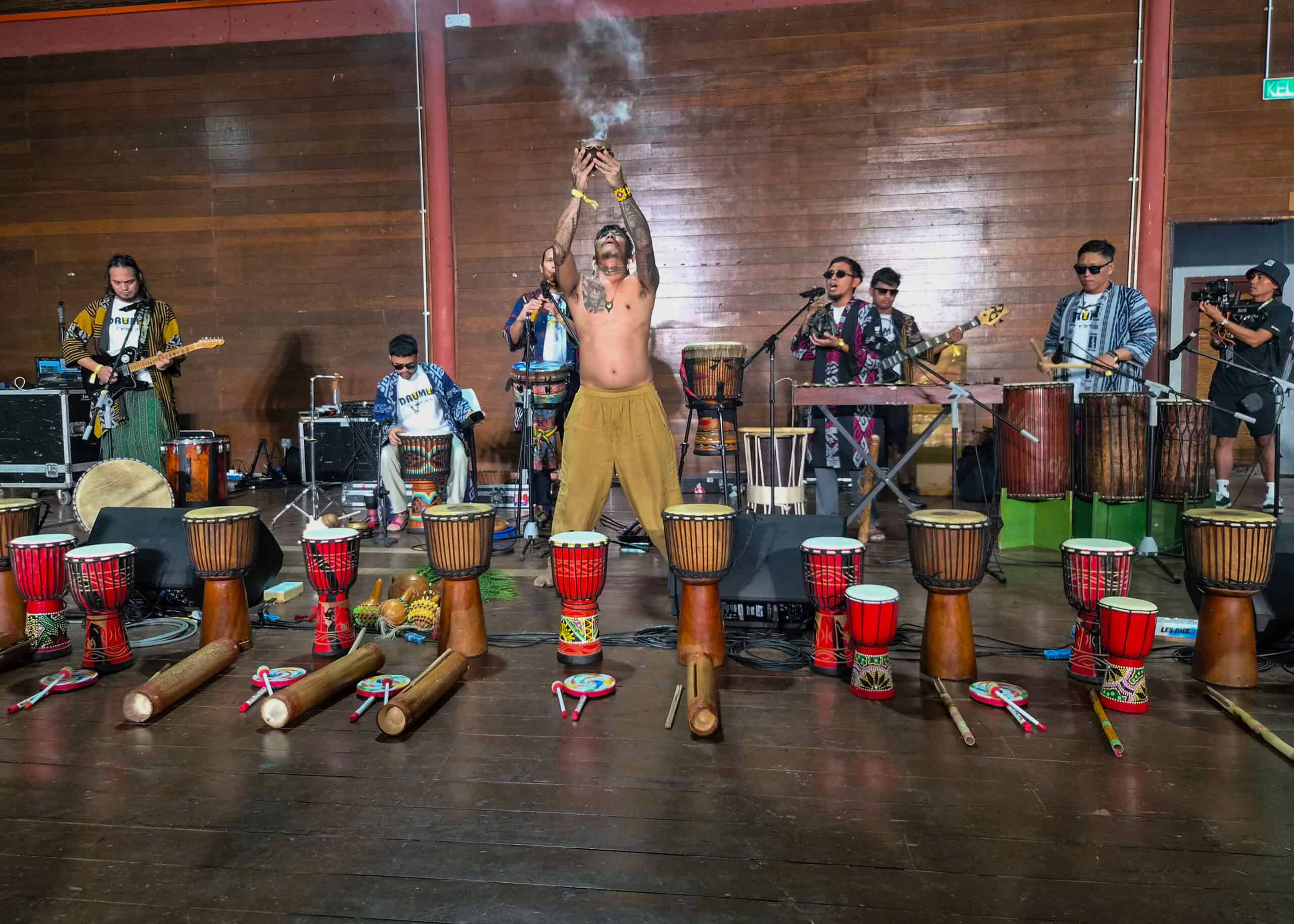
I was especially smitten with Drum Up, who I’d actually met earlier at Gate 7 of Kuala Lumpur International Airport. They were friendly from the moment we started chatting, so it was fun seeing that same energy carry over to their performances.
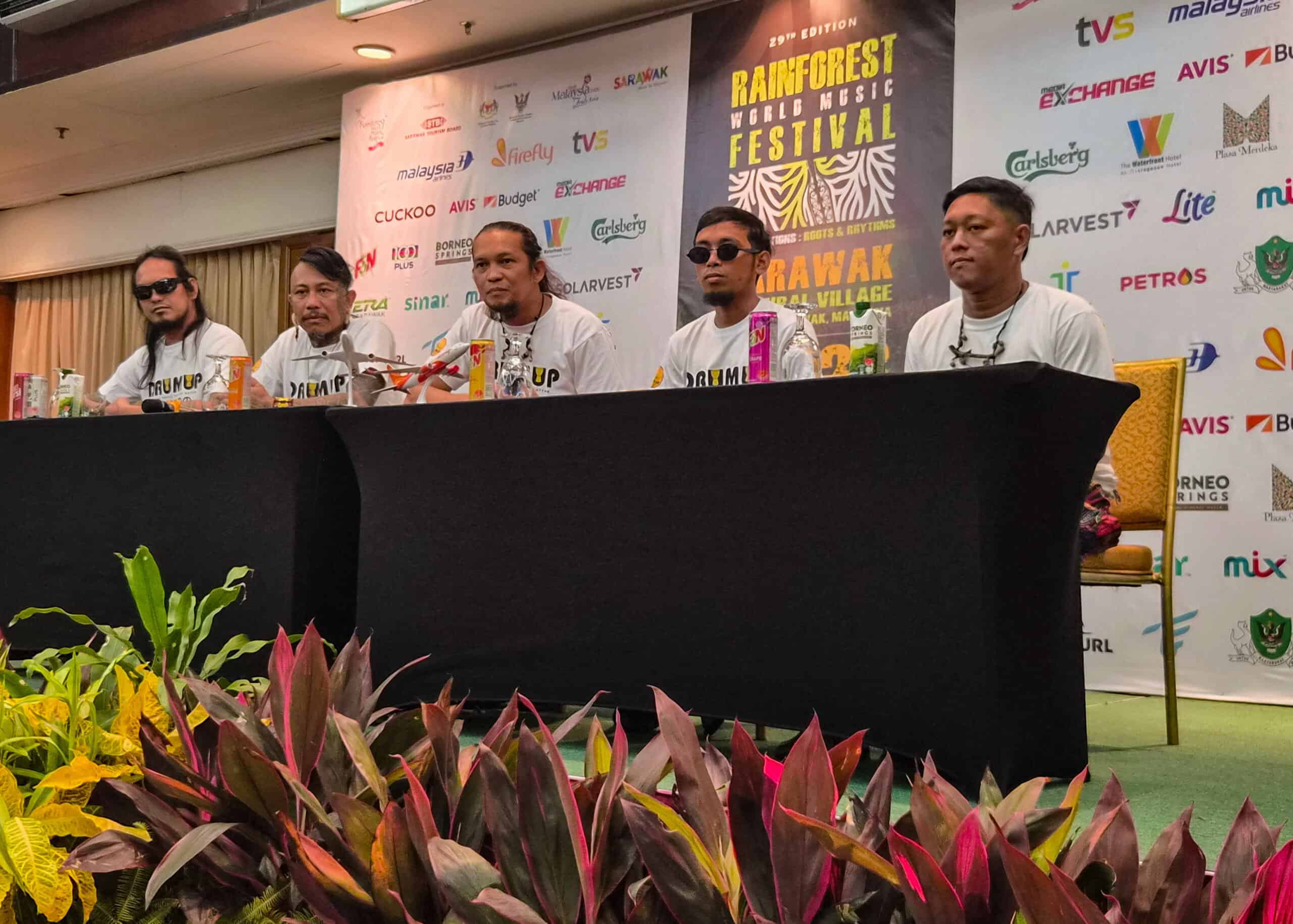
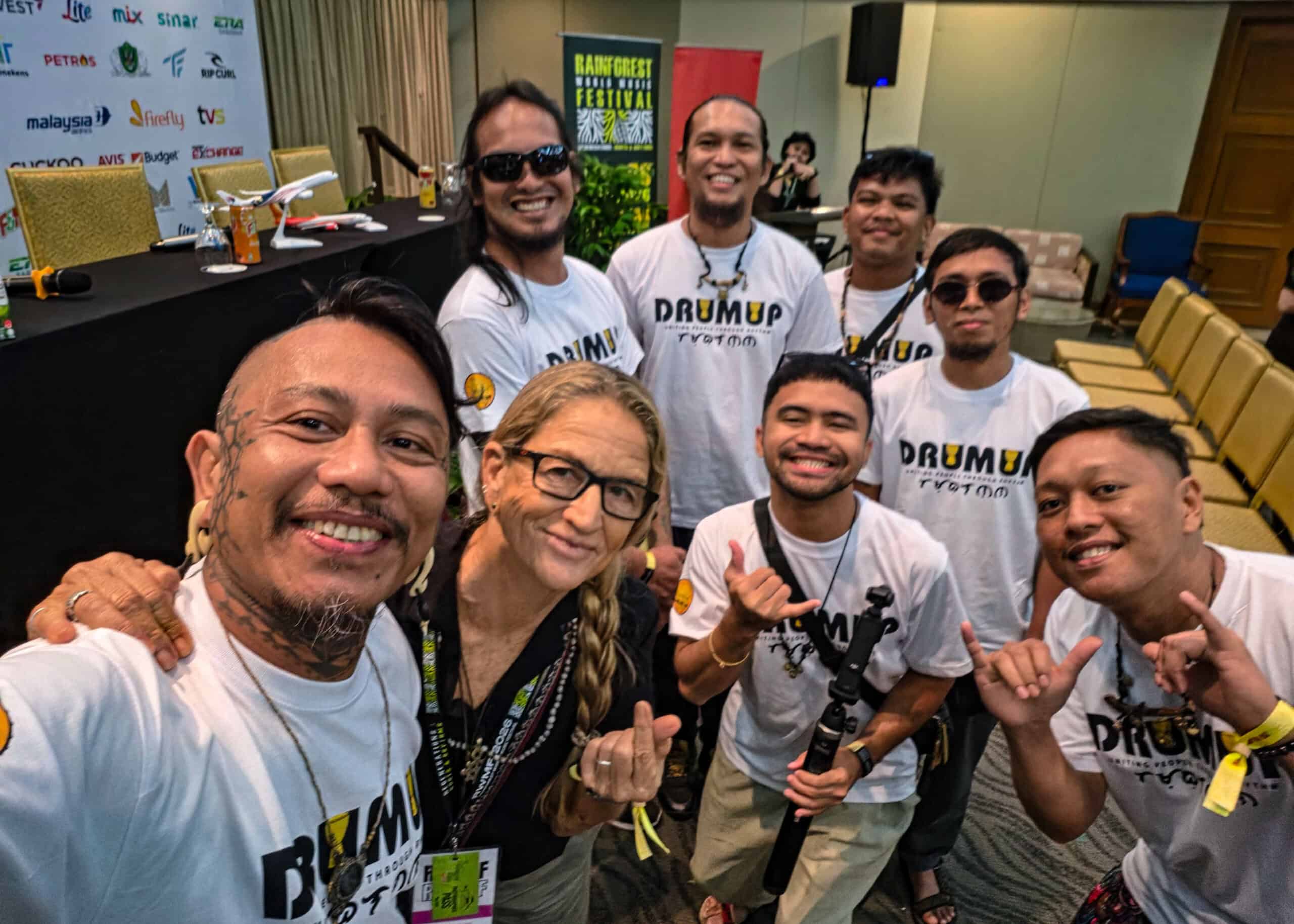
Led by Neil Cervantes, Drum Up invites the audience to join in rather than just watch. Their performances combine indigenous percussion, global rhythms, and contemporary influences, with drum circles that quickly turn a crowd of strangers into active participants.
The Evening Performances
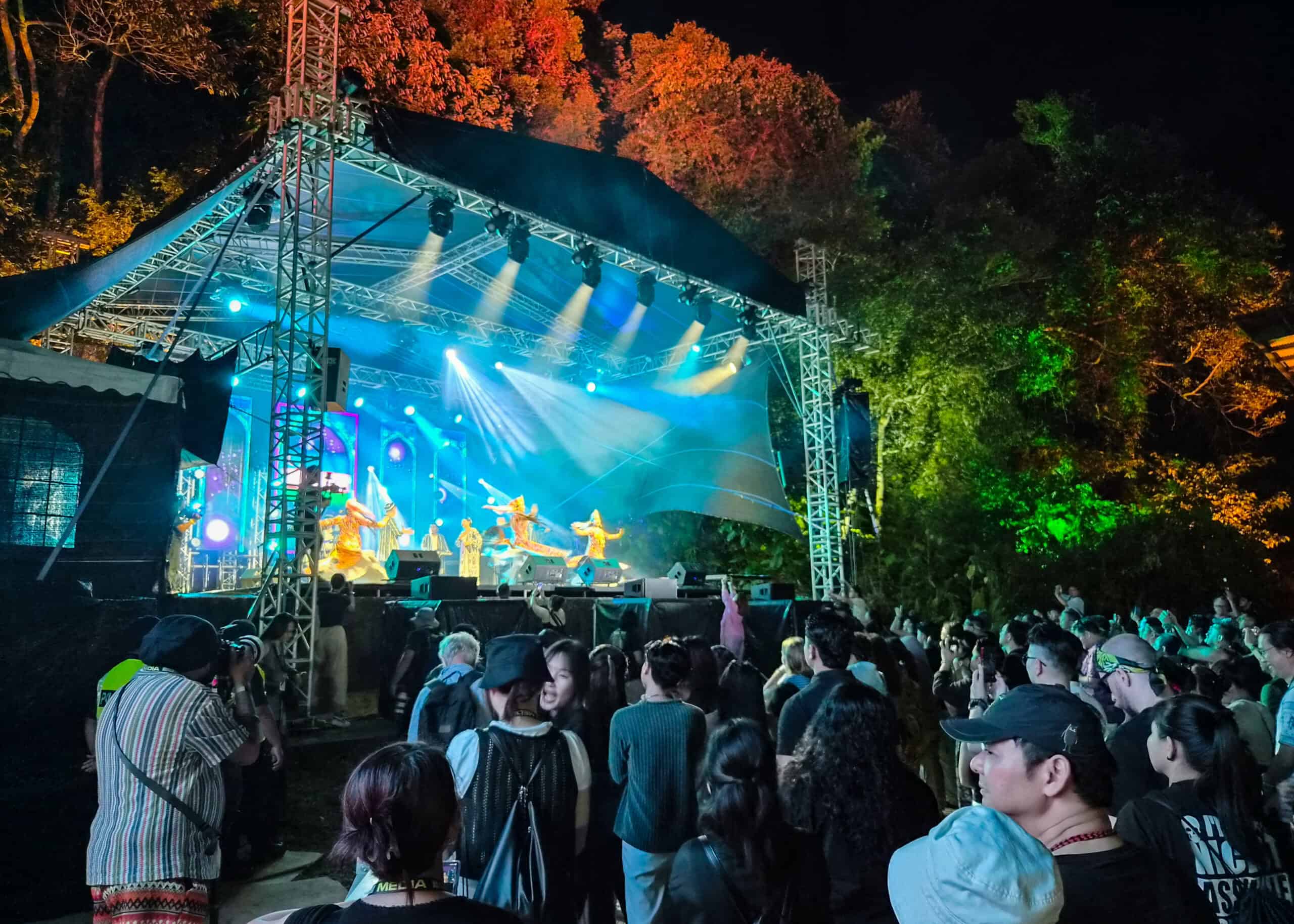
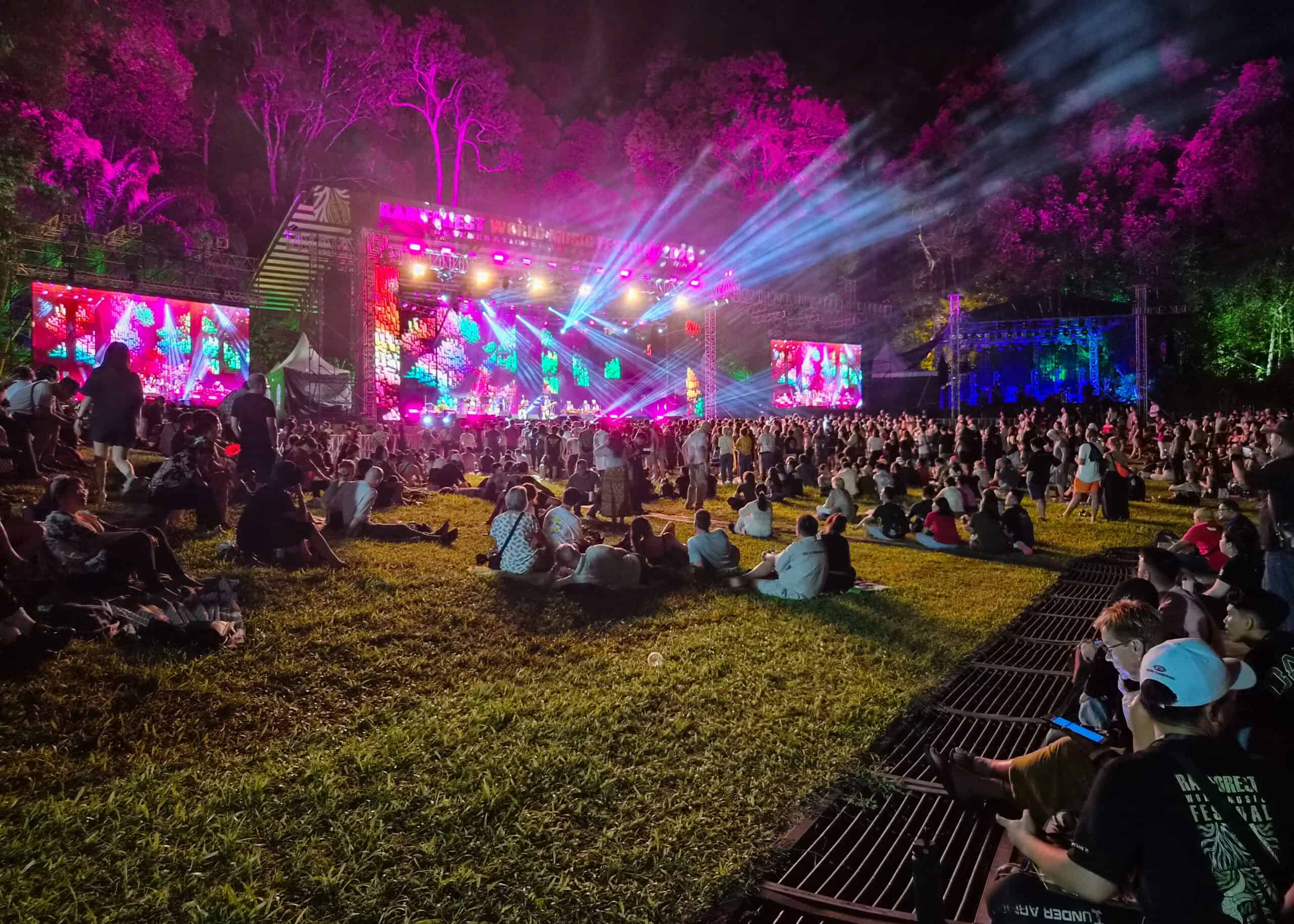
By the time the concerts began each evening, it felt like the perfect way to end the day. Headliners Incognito, Dato’ M. Nasir and The Commodores featuring Thomas McClary gave festivalgoers a memorable finish to each evening. Incognito had the crowd on its feet for the closing performance, while Dato’ M. Nasir and The Commodores featuring Thomas McClary reminded everyone why they’ve remained crowd favorites for so many years.

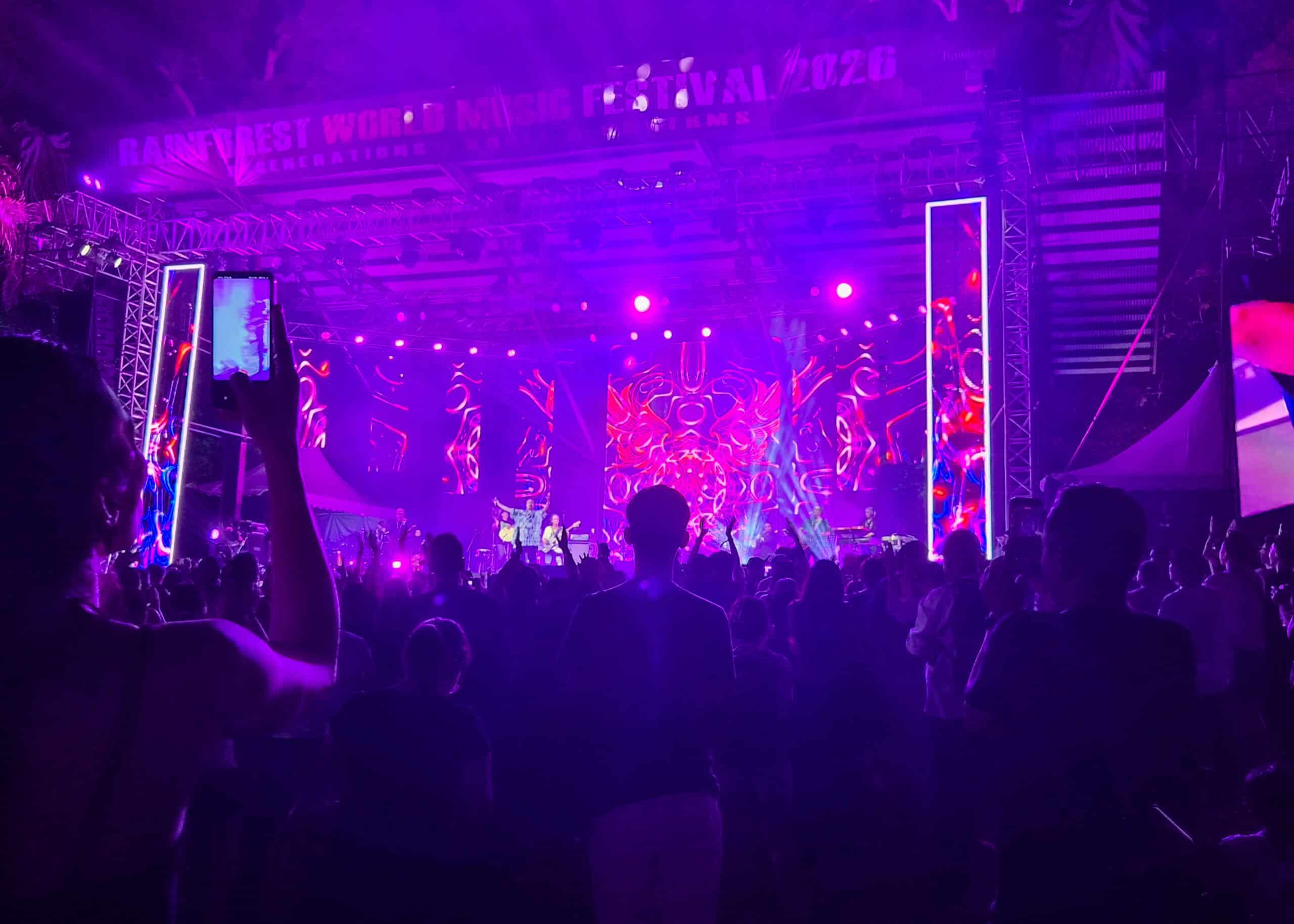

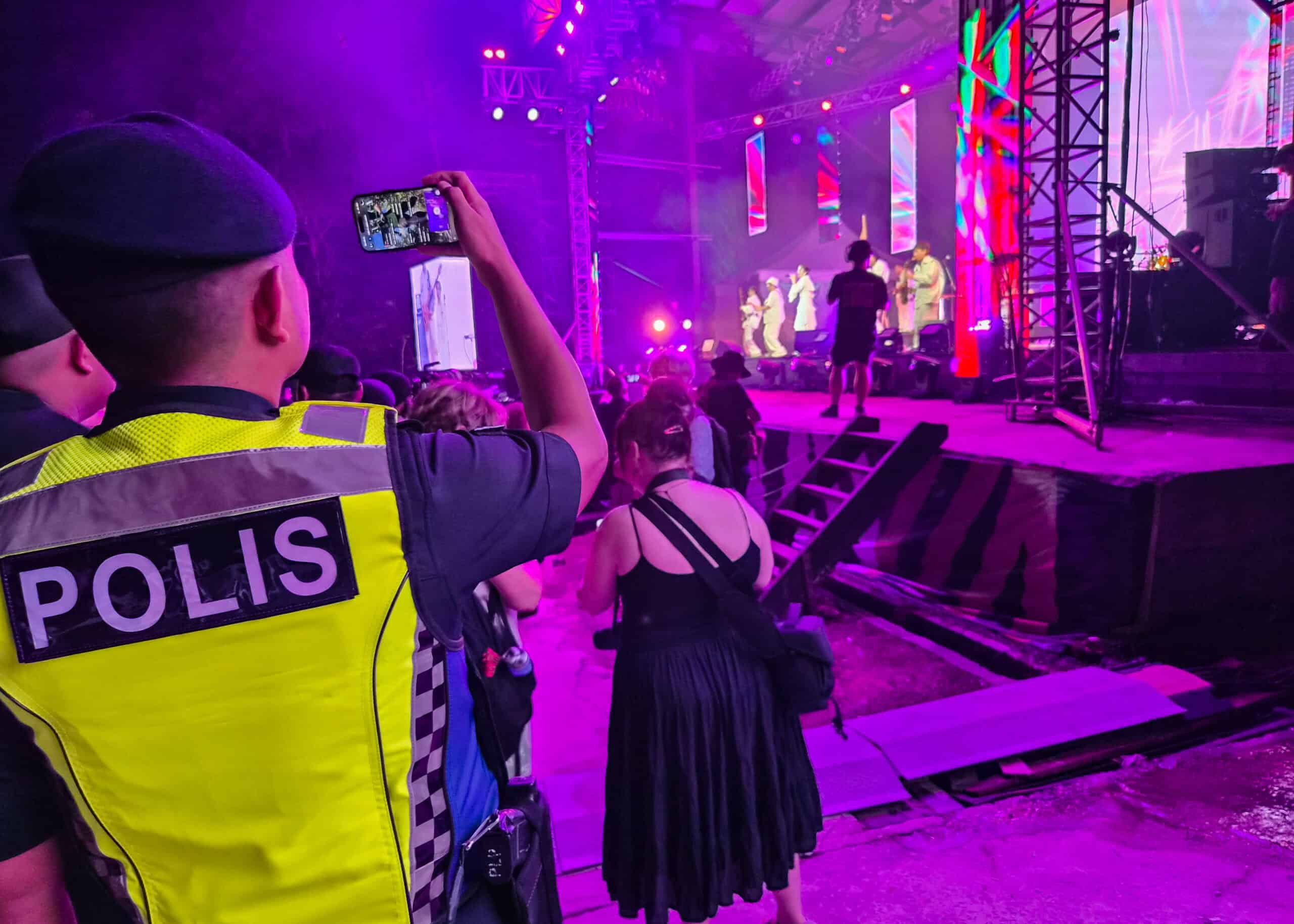
After spending the whole day exploring the festival, not everyone stayed until the final encore. By then, some festivalgoers were already making their way home, but the music continued to carry across the village grounds, making it easy to hear from almost anywhere.
That’s a Wrap
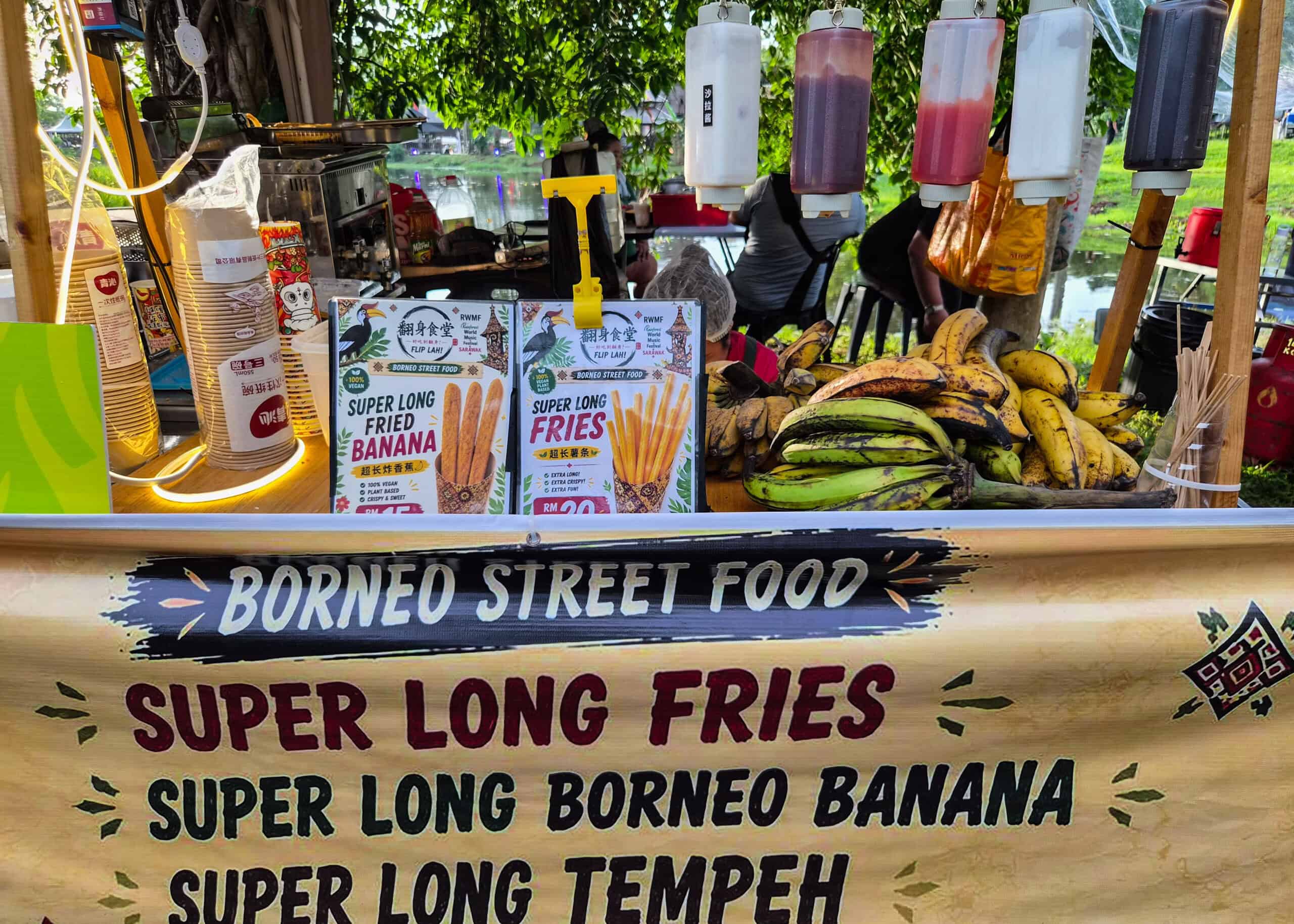
After this year’s visit to RWMF, I’ve come to appreciate even more that the concerts are only part of what makes this festival special. It’s the hours between the headline acts that stayed with me. Wandering into workshops, indulging in another sampling of Sarawak food (especially those super long Borneo Banana Fries!), chatting with musicians. Watching complete strangers become part of the program instead of simply watching it.
That’s the side of RWMF you don’t really understand until you’ve been there.
During the festival, the Sarawak Cultural Village opens its doors to the public at 10am, giving visitors plenty of time to explore the grounds at a relaxed pace, browse unique local handicrafts, and try a variety of delicious traditional cuisine.
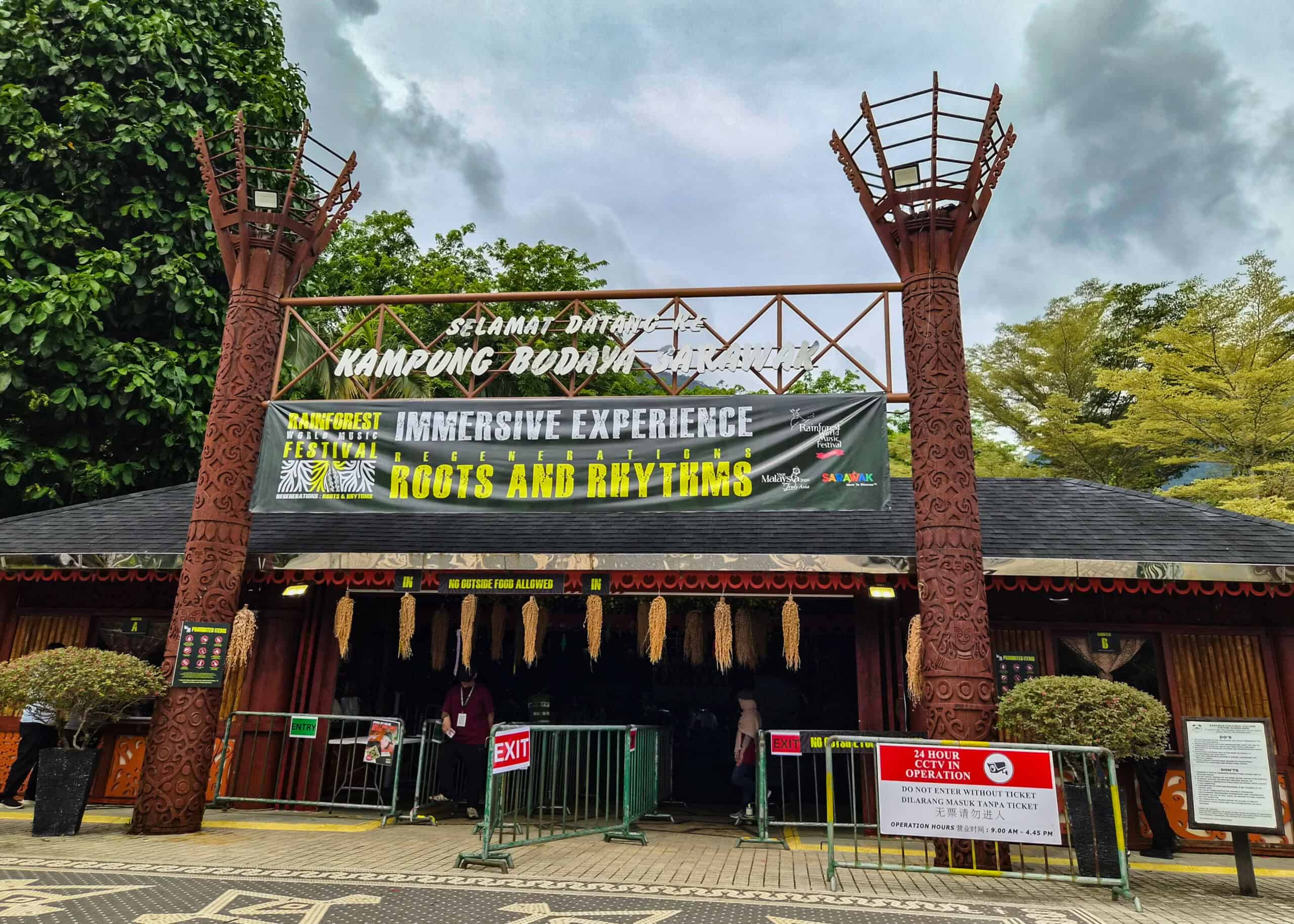
The Rainforest World Music Festival is a vibrant, family-friendly event that showcases incredible cultural diversity. If you need one more reason to visit Sarawak, this unforgettable event is certainly worth adding to your itinerary. Still not convinced? Take a look at the official RWMF photographs and experience the magic for yourself.
My Rainforest Festival Tips:
Be prepared:
Do your research. If this year’s event is any indication of what’s in store for next year’s big 30th Anniversary festival, I recommend reading up on the performers and then seeing which workshops you’re keen to catch. This will help you stay organized so you won’t miss anything.
Don’t be shy:
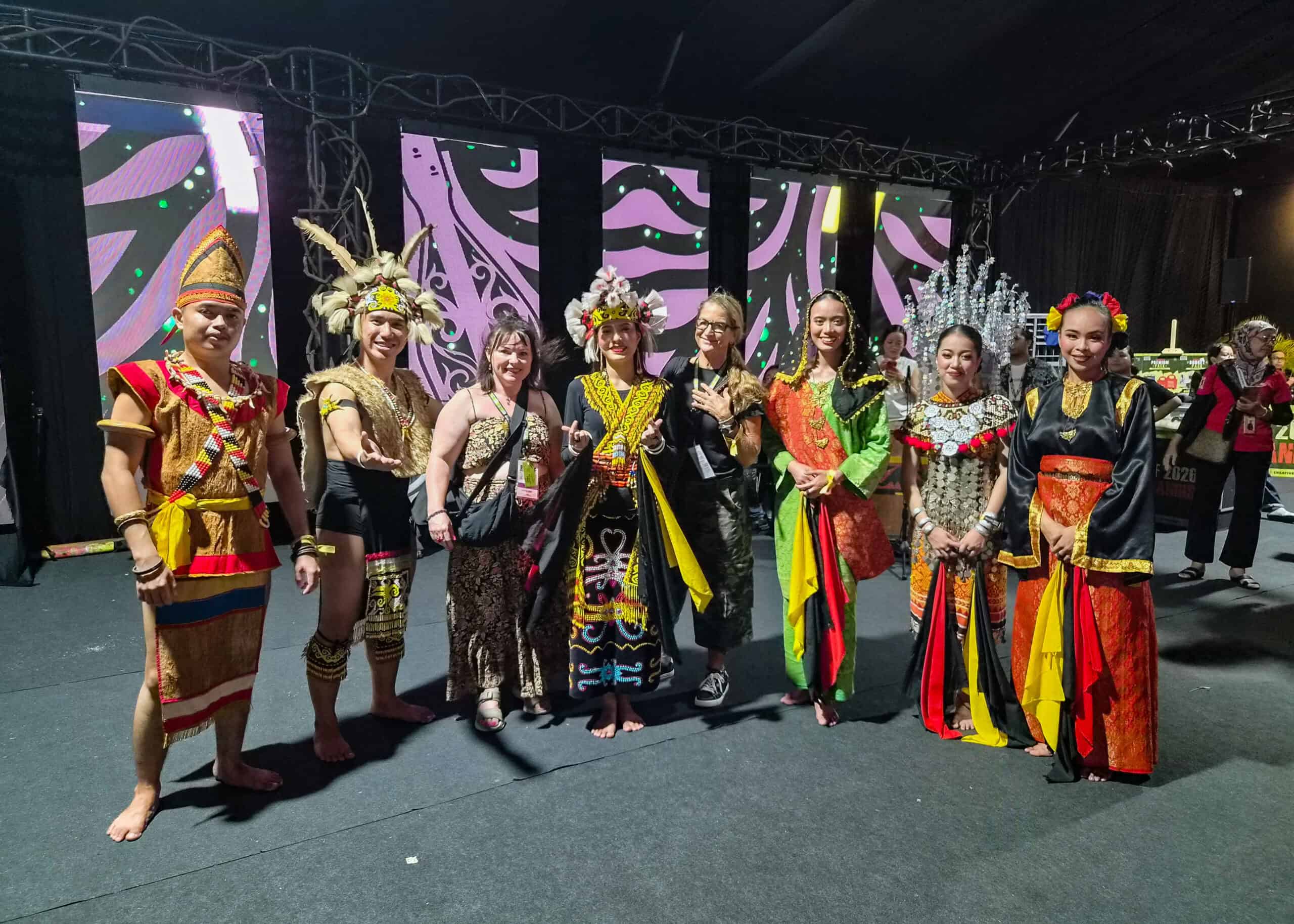
Whether you go solo or with friends, the opportunity to meet amazing new people and have one of a kind RWMF experiences is open to all.
What to Bring:
A change of clothes can be a lifesaver. It’s a long day, the weather is warm and humid, and chances are you’ll work up a sweat. You’ll be glad you don’t have to head back to your hotel to freshen up, especially if you’re taking the shuttle between Kuching and the festival.
A lightweight rain poncho is also worth packing for the occasional tropical shower or even to sit on if the grass is damp. I barely noticed any mosquitoes this year, but I’d still pack some insect repellent, along with sunscreen. If you plan on staying until the last performance, a small flashlight or your phone’s flashlight will make navigating the wooden walkways after dark much easier.
Where to Stay:
If your budget allows, staying near the Sarawak Cultural Village is the most convenient option, but it’s not essential. The shuttle service between Kuching and the festival is well organized and makes getting back and forth easy. Book your accommodations early and you might even score a good deal.
Thank You to the Sarawak Tourism Board
Having attended the Rainforest World Music Festival several times over the years, I’ve seen firsthand just how much work goes on behind the scenes. This annual event is made possible by the dedication of the Sarawak Tourism Board, along with the festival’s valued sponsors and supporters. Their ongoing commitment to celebrating Sarawak’s rich cultural heritage and promoting responsible tourism has helped make the festival one of the region’s most respected cultural events.
If you’d like to learn more about visiting Sarawak or the annual Rainforest World Music Festival, contact the Sarawak Tourism Board.

Great overview and images of the festival and all on offer.
Thank you Chris. It’s not an easy festival to write about because there IS so much. Narrowing things down to just one topic just doesn’t feel like it does it justice.