
A former Ford Factory in Singapore? I was stunned when I heard about this place. Ford automobiles are as stereotypically American as it gets. So, I never expected to see one halfway around the world. But during a recent trip to Singapore, I got lost en route to a cemetery I wanted to visit. Flat out couldn’t find the place.
I asked a passerby about other nearby sightseeing options and he whipped out his phone to show me the Former Ford Factory location just down the street. Fate. How I had previously overlooked this World War Two museum was a mystery, but I made a beeline straight there.
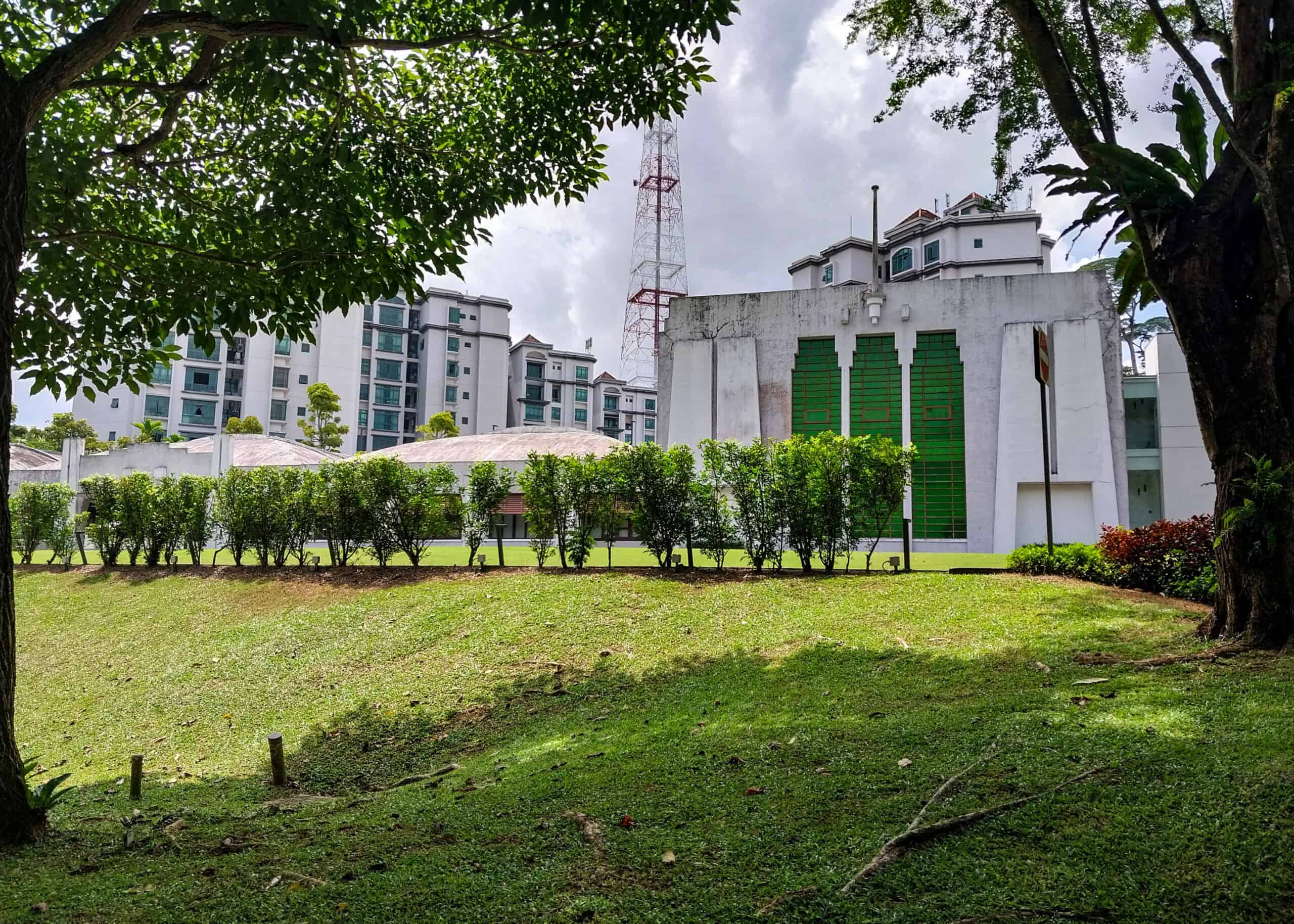
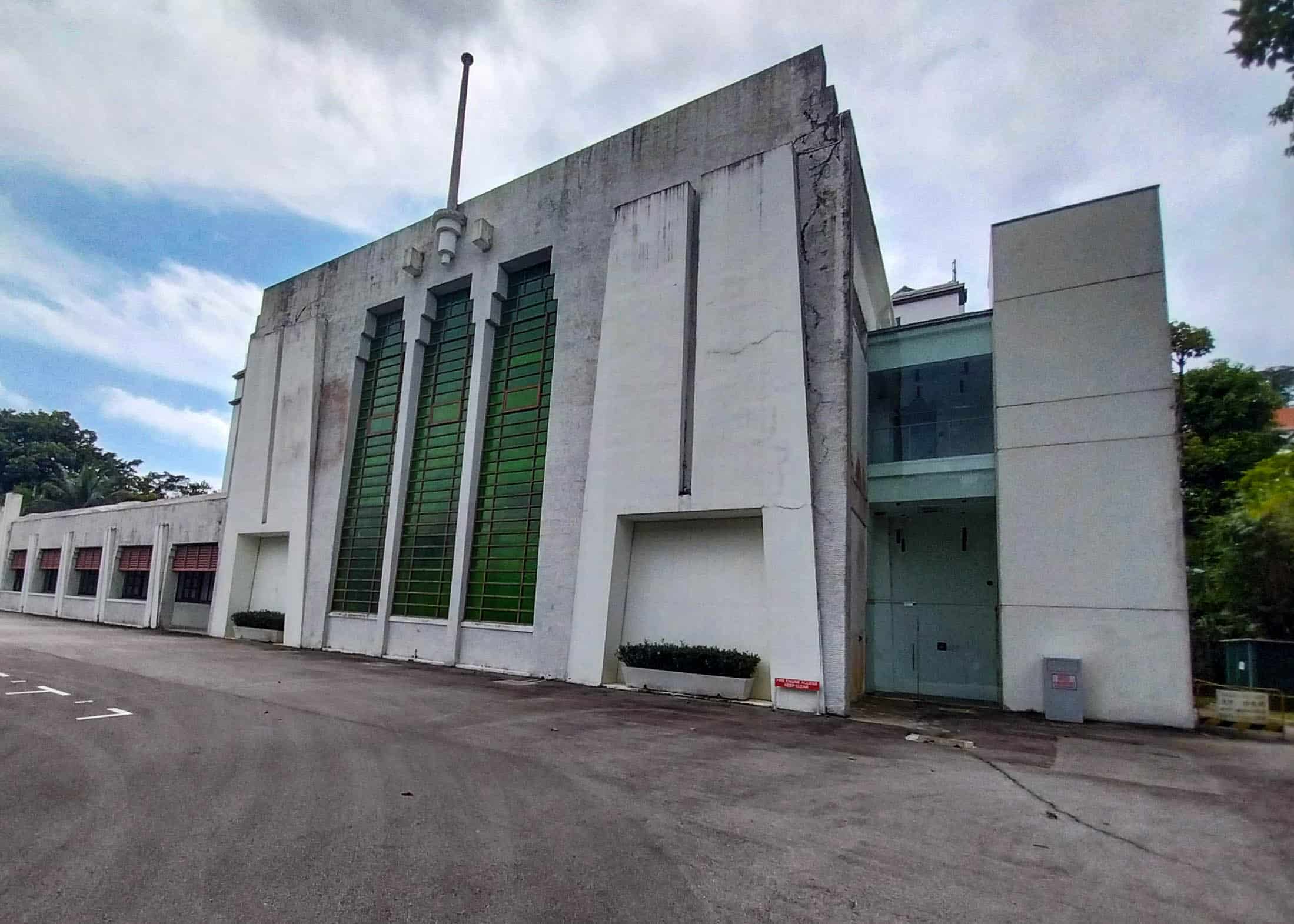
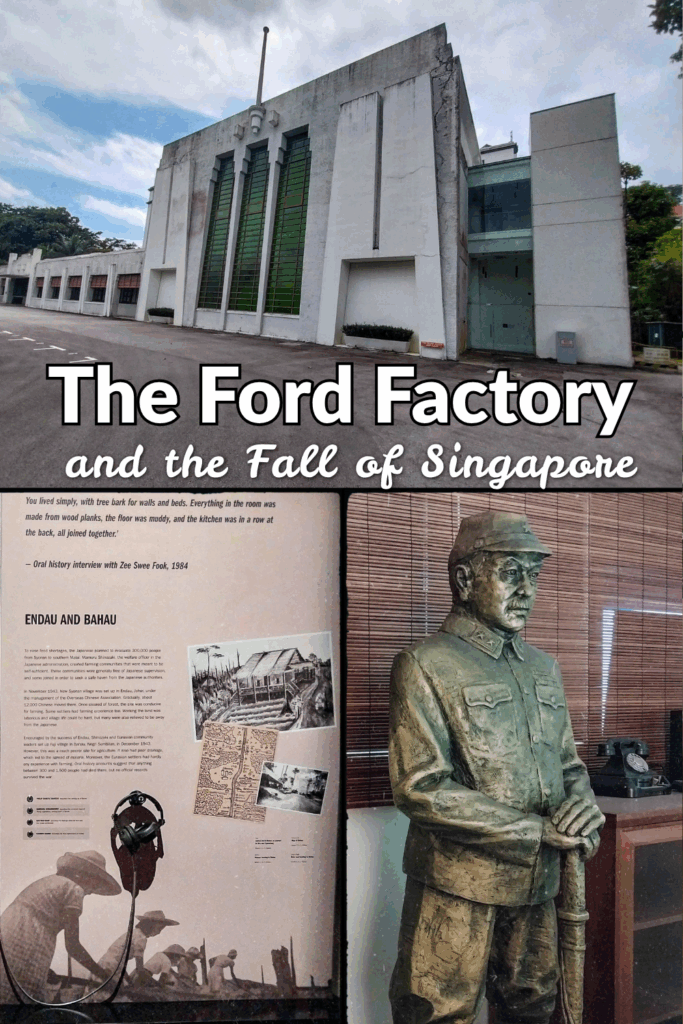
If you didn’t know what happened here, you could easily drive past the old factory on Upper Bukit Timah Road and think it was just an old industrial building. But the story of the building goes back to Ford, long before it was associated with the fall of Singapore.
Ford initially operated from Dunlop House on Robinson Road and later moved its assembly work to a railway warehouse on Prince Edward Road. As demand for its vehicles grew, the company built a new factory on Upper Bukit Timah Road.
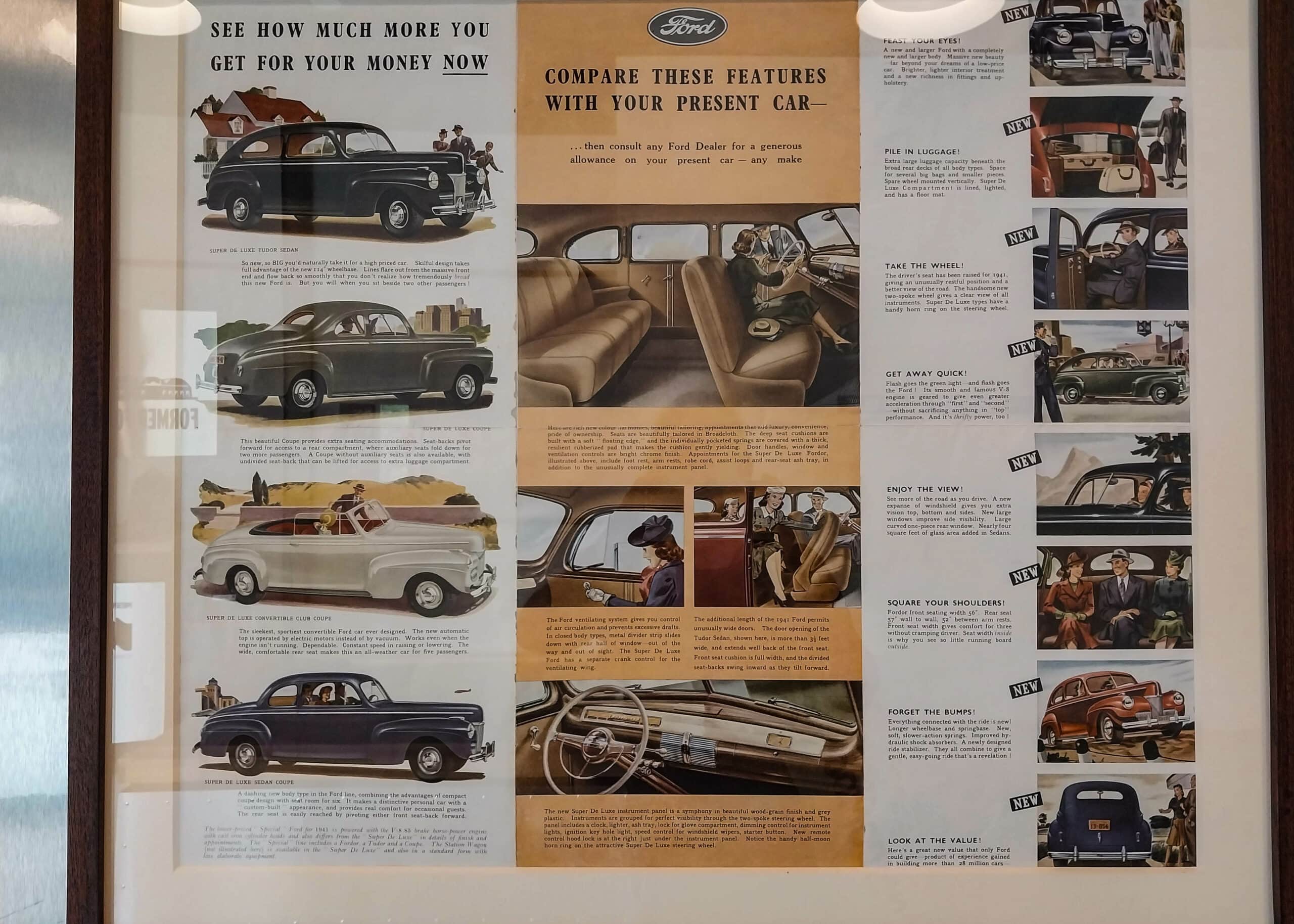
The factory opened in October 1941 and was Ford’s first automobile assembly plant in Southeast Asia. The chosen location of Bukit Timah Road connected the town center with the northern part of the island. It was also close to the railway, making it easier to move vehicles and other goods between the factory and the docks at Tanjong Pagar.
Considered one of Singapore’s modern industrial buildings, the building itself was designed in the Art Deco style by French engineer-architect Emile Brizay. It had large green-glazed windows, stepped openings and other details typical of the period.
Surprisingly, Ford’s presence in Singapore goes back, even further, to 1926, when Ford Motor Company of Malaya was established as a subsidiary of Ford Motor Company of Canada. Singapore had become the company’s regional headquarters, overseeing the supply and distribution of Ford vehicles to Malaya, the Dutch East Indies, Thailand and Borneo.
From Car Factory to Wartime Production
The factory had been operating for only a few months when the war reached Singapore, but had already been involved in Britain’s war effort.
Ford’s Singapore operations had been producing military vehicles for the British since 1940, and during the Malayan Campaign the Royal Air Force (RAF) used the factory to assemble fighter planes, including American-built Brewster Buffalo airplane. The planes were moved out of Singapore toward the end of January 1942 as the Japanese forces continued their advance down the peninsula.
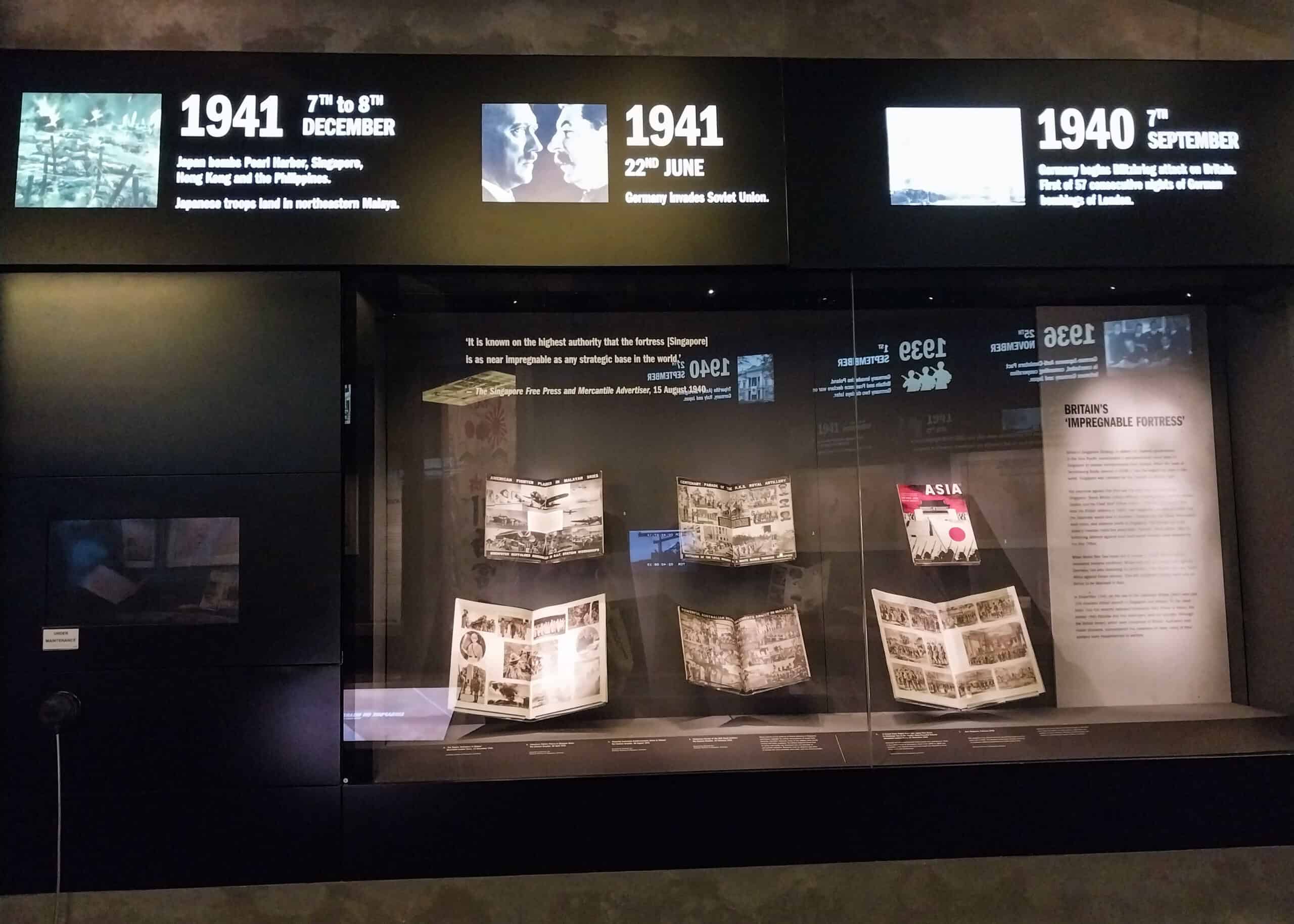
The Japanese had begun their offensive in Malaya on December 8, 1941. But they moved quickly down the peninsula and crossed into Singapore on February 8, 1942.
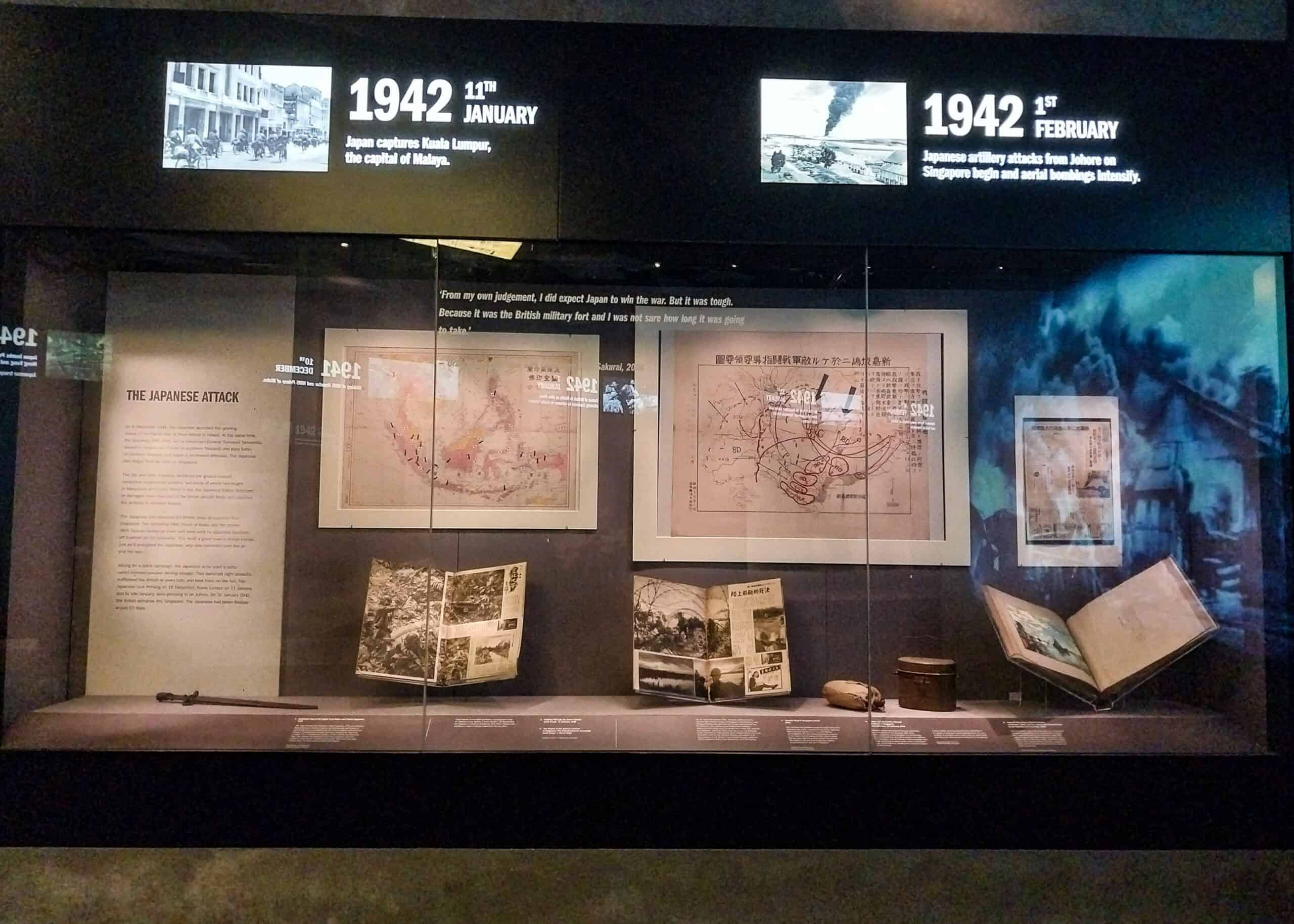
At this point, Bukit Timah had become particularly important. The area contained British petrol, oil and supply depots, and the main road through Bukit Timah was a key route across the island.
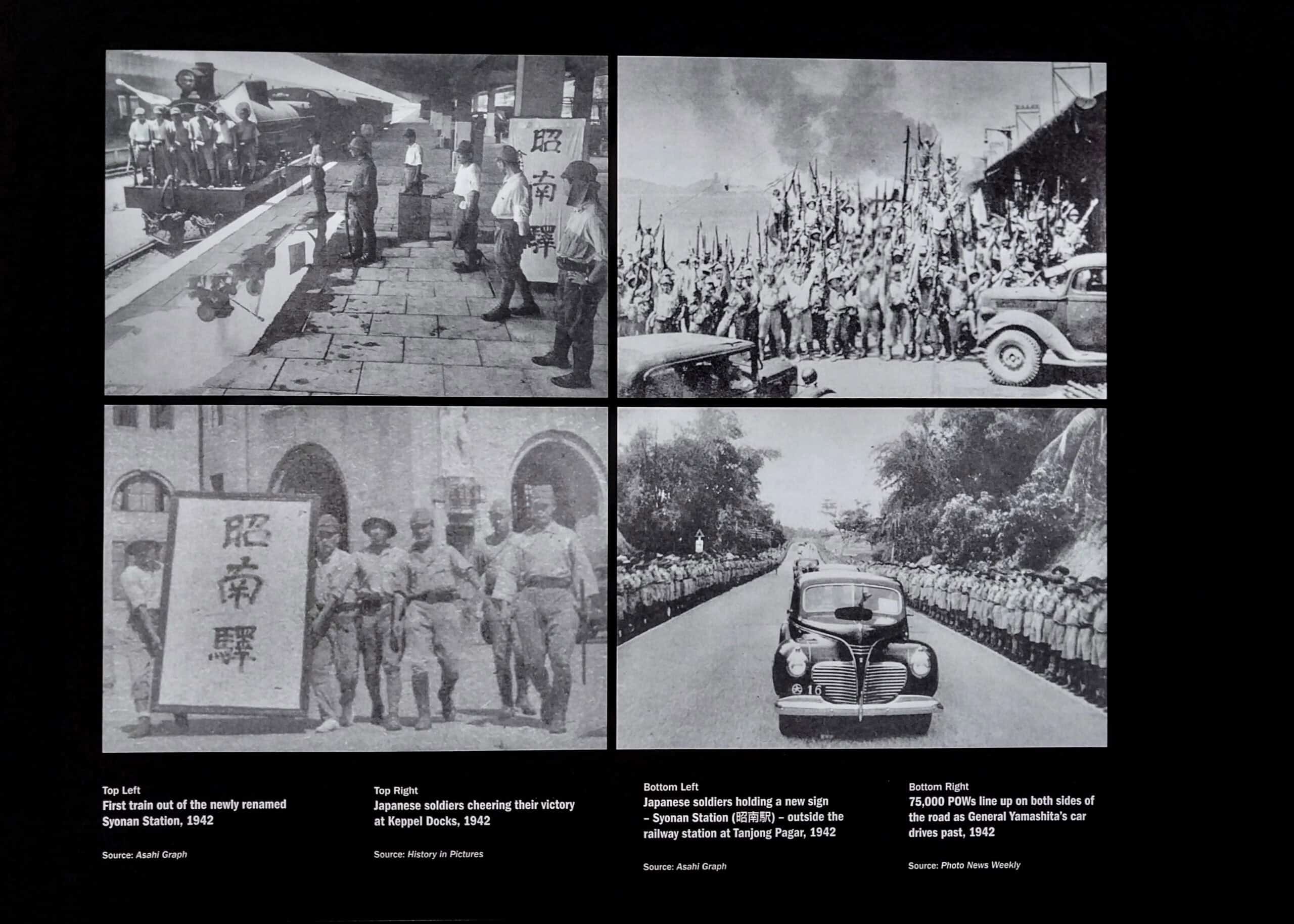
Japanese forces captured Bukit Timah on February 11 and the factory was seized two days later on February 13. Lieutenant-General Tomoyuki Yamashita, the commander of the Japanese 25th Army, took over the building and used it as his temporary headquarters.
The Surrender at the Ford Factory
I had initially thought there was some symbolic reason for the surrender to take place at the Ford Factory. But apparently that wasn’t the case. On the morning of February 15, Percival and his commanders met at the British headquarters at Fort Canning. They decided that Singapore could no longer be defended and it was time to surrender.
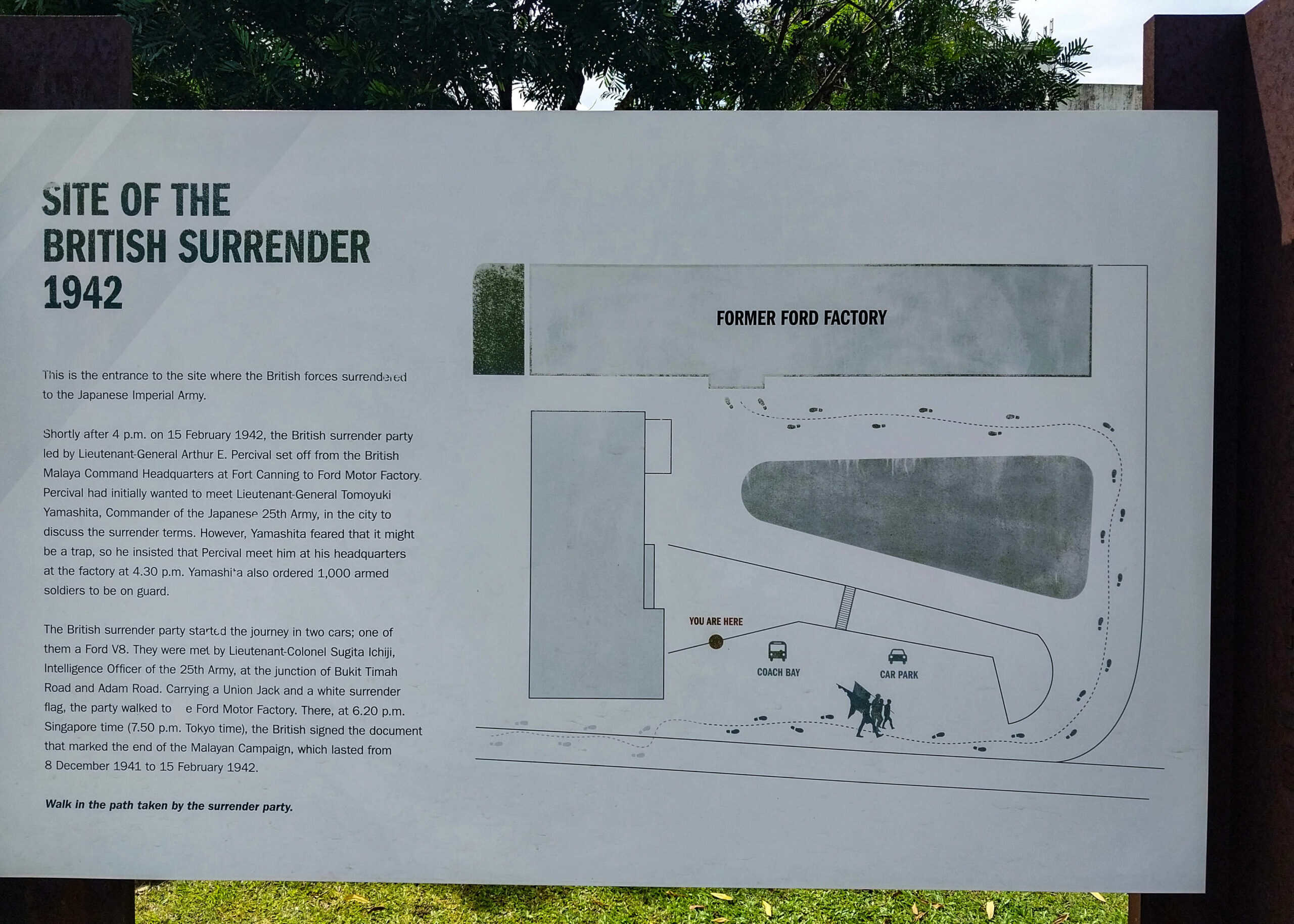
A British delegation then set out with a Union Jack and a white flag to ask Yamashita to meet at Fort Canning. The Japanese refused. Instead, Yamashita ordered Percival to come to his headquarters at the Ford Factory that afternoon. This was obviously more convenient for Yamashita, but likely even more loss of face for the British, as well as the American-owned Ford company. Which may have been the intention, in my opinion.
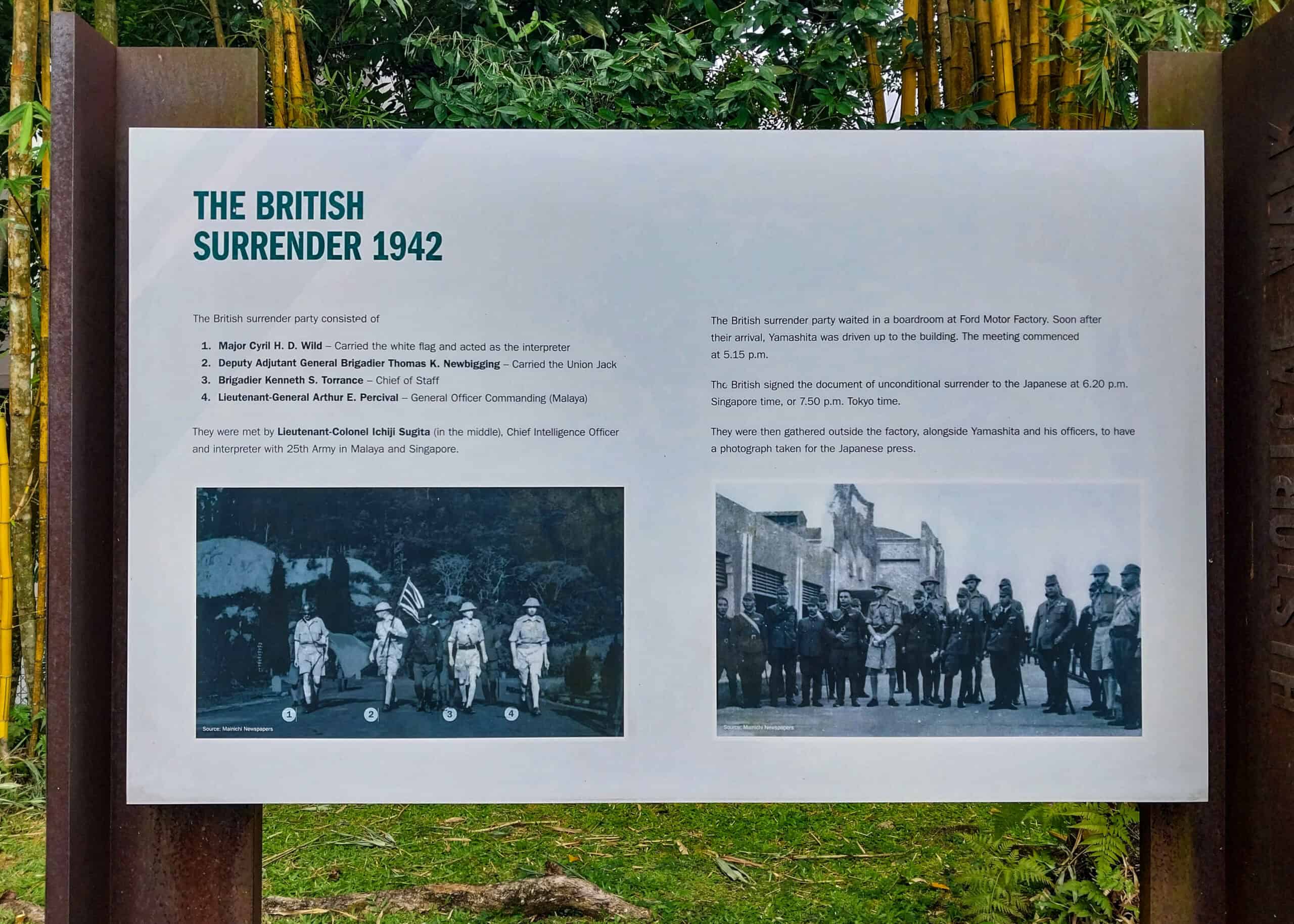
The delegation arrived at the factory at around 5pm, after being delayed by fighting along the route. Percival attempted to negotiate some conditions, including keeping 1,000 armed British troops in Singapore to maintain order. But Yamashita wanted an unconditional surrender.
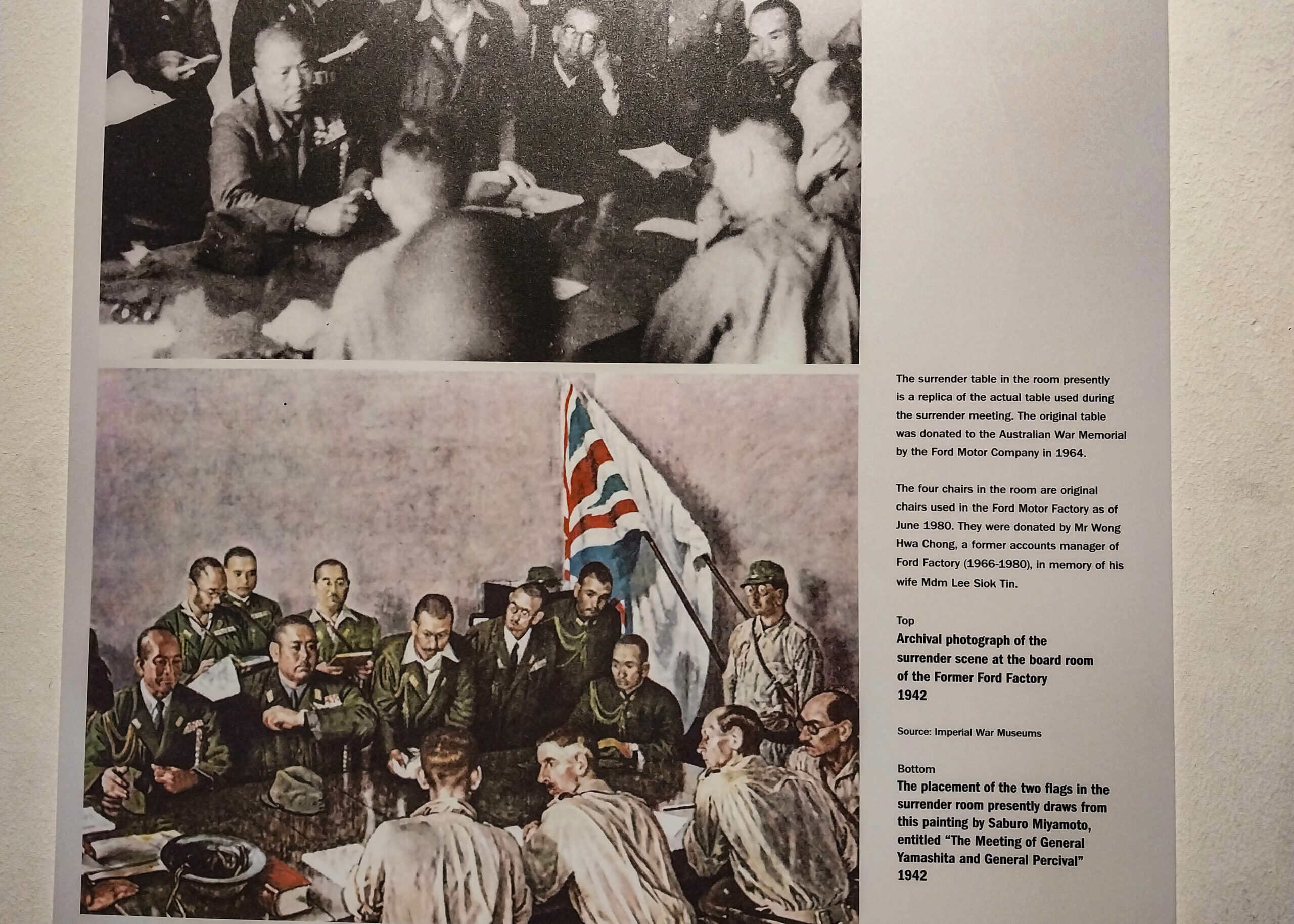
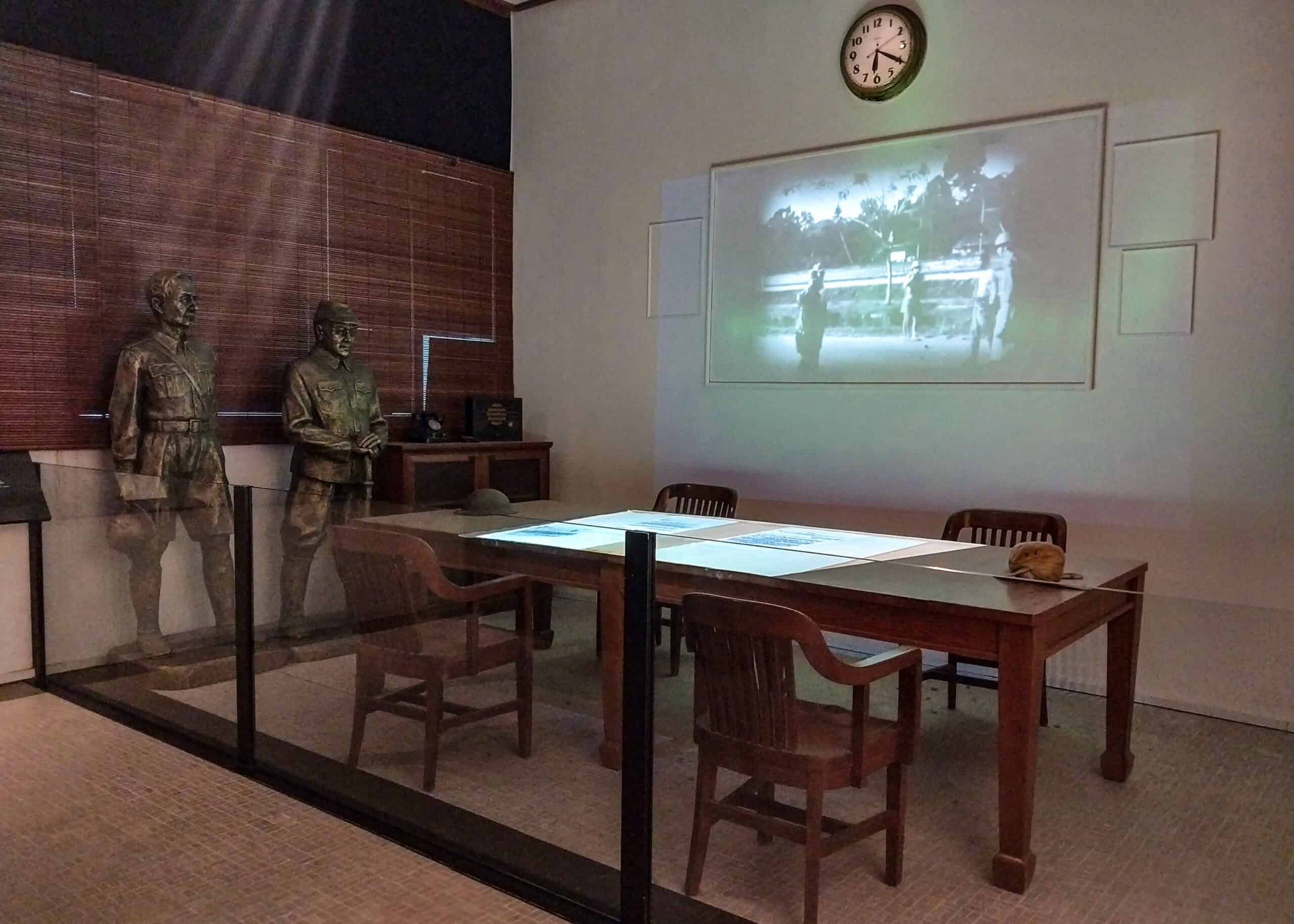
Percival eventually signed the surrender document in the factory’s boardroom at around 6pm. Singapore had officially fallen.
After the Surrender
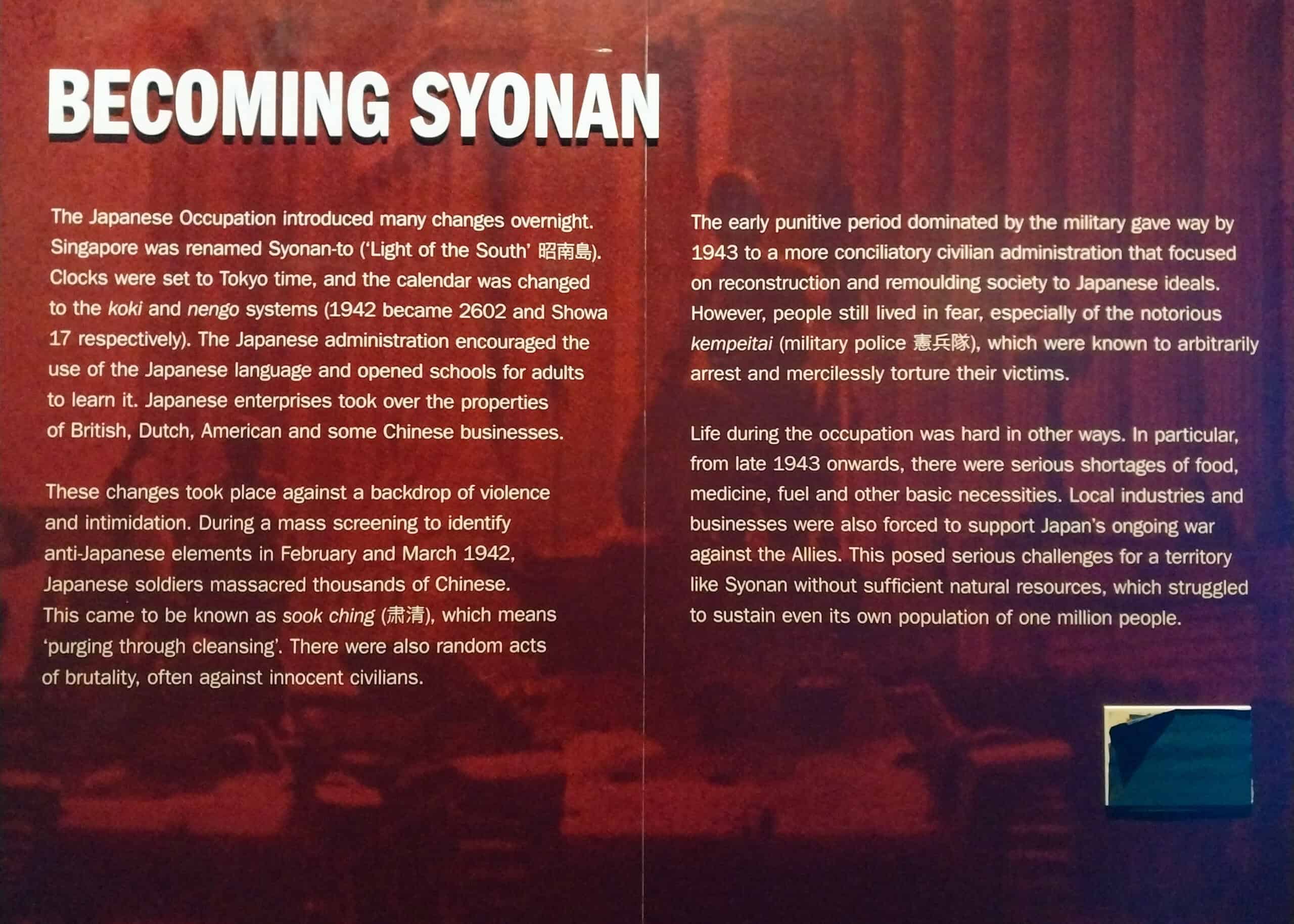
After the surrender, the factory continued to be used for military purposes. Nissan took over the plant and used it to assemble military trucks and other vehicles for the Japanese war effort. The Japanese Occupation lasted from 1942 until 1945, and the factory remained part of Singapore’s wartime industrial infrastructure throughout the Occupation. Singapore was also renamed Syonan-to, meaning “Light of the South,” and Singapore’s daily life changed dramatically under Japanese rule.
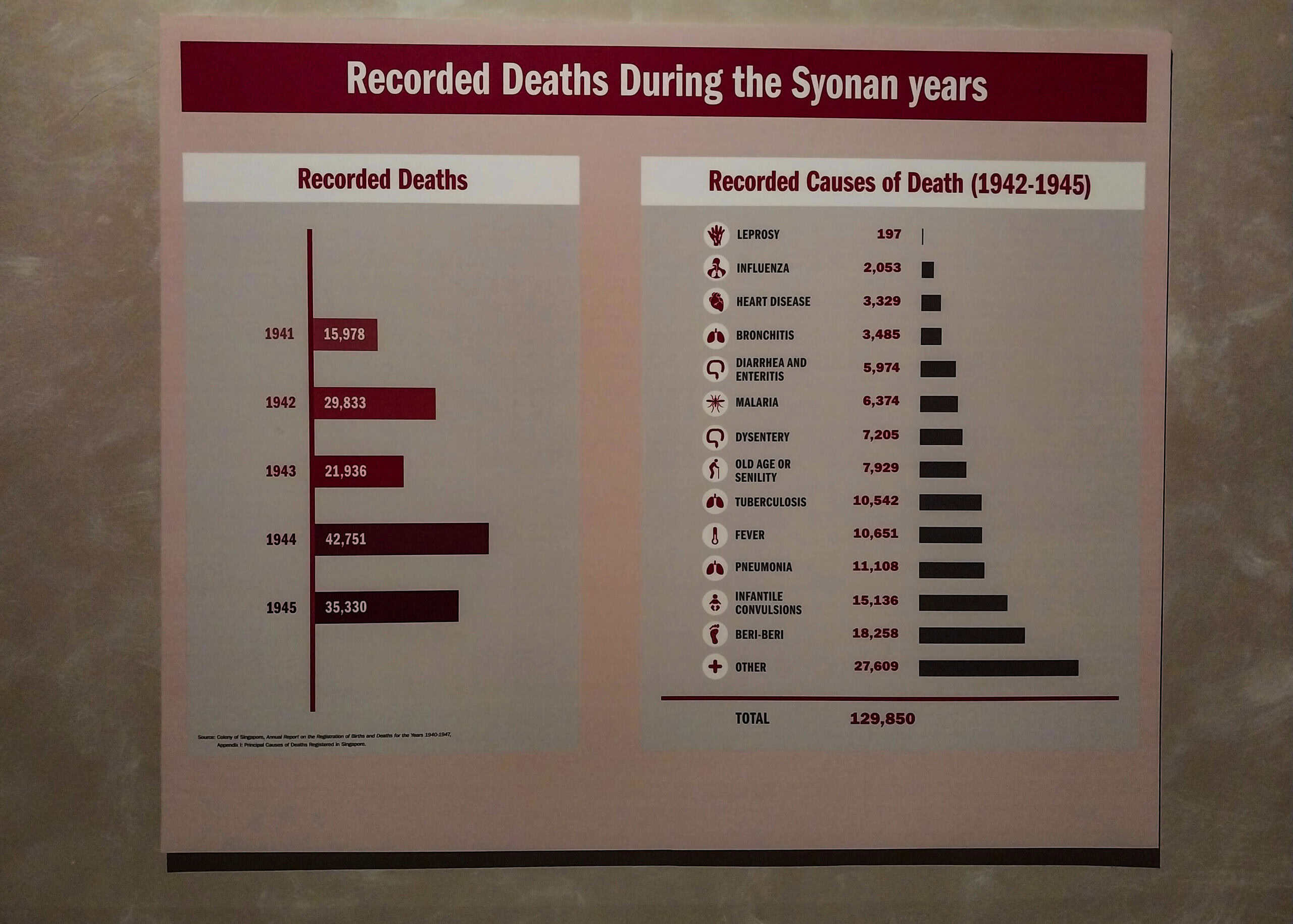
When the war ended in 1945, the British Army took over the factory. It was used for repairing engine parts and other precision work before the factory was returned to Ford in 1947. Despite all that had happened, Ford resumed automobile production and assembly at the factory until 1980, when the company ended its operations in Singapore. The building was later used as a warehouse.
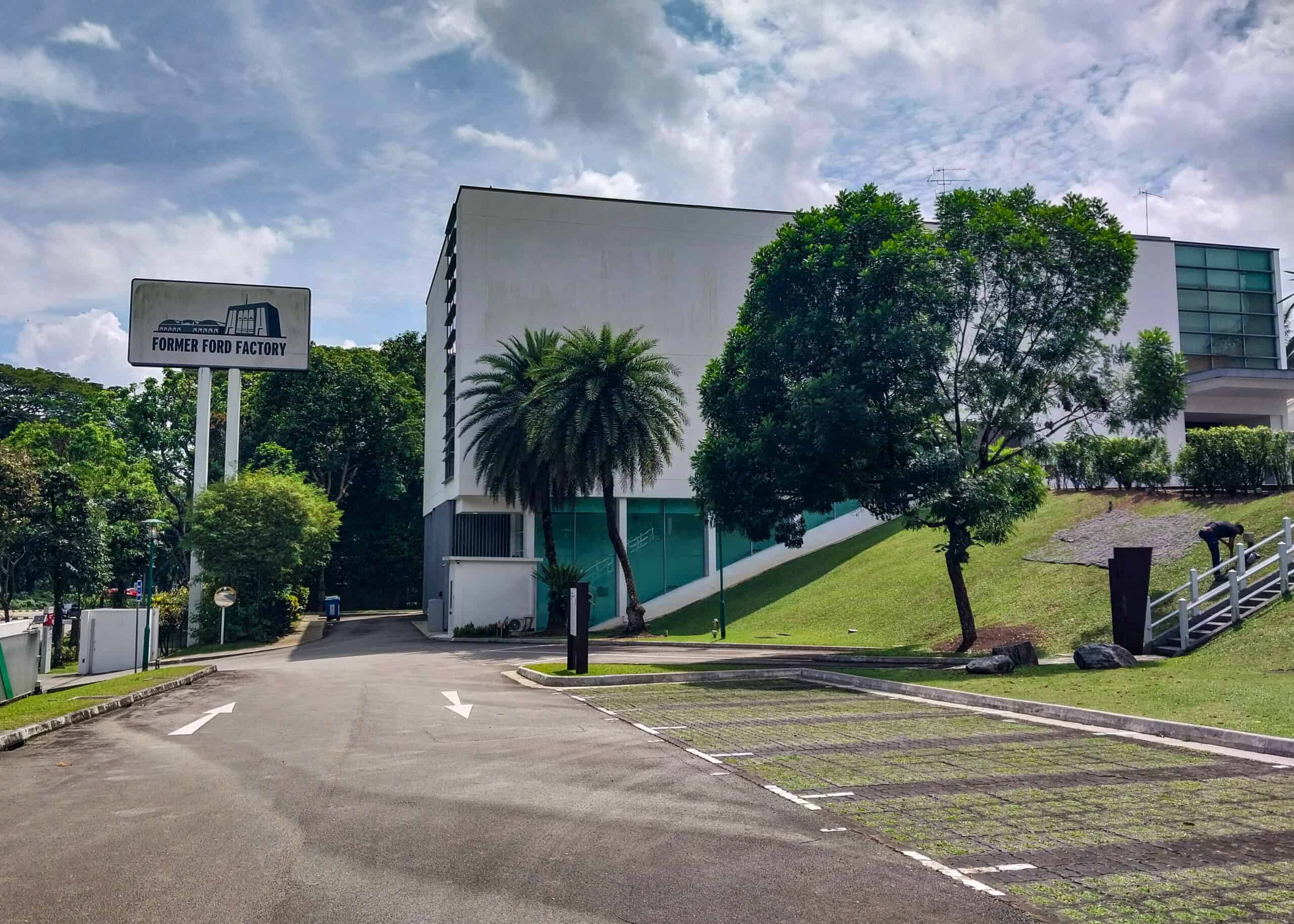
The factory’s history could have ended there. After it closed, there were plans to demolish the building and redevelop the site for housing. Instead, part of the original building was preserved, and the front section, including the infamous boardroom, survived.
The old factory also picked up a reputation for being haunted after it was abandoned. Stories circulated about sightings of Japanese soldiers, strange noises and even wartime Japanese music coming from the building. I found this side of the factory’s history pretty interesting, because I do love good ghost stories.
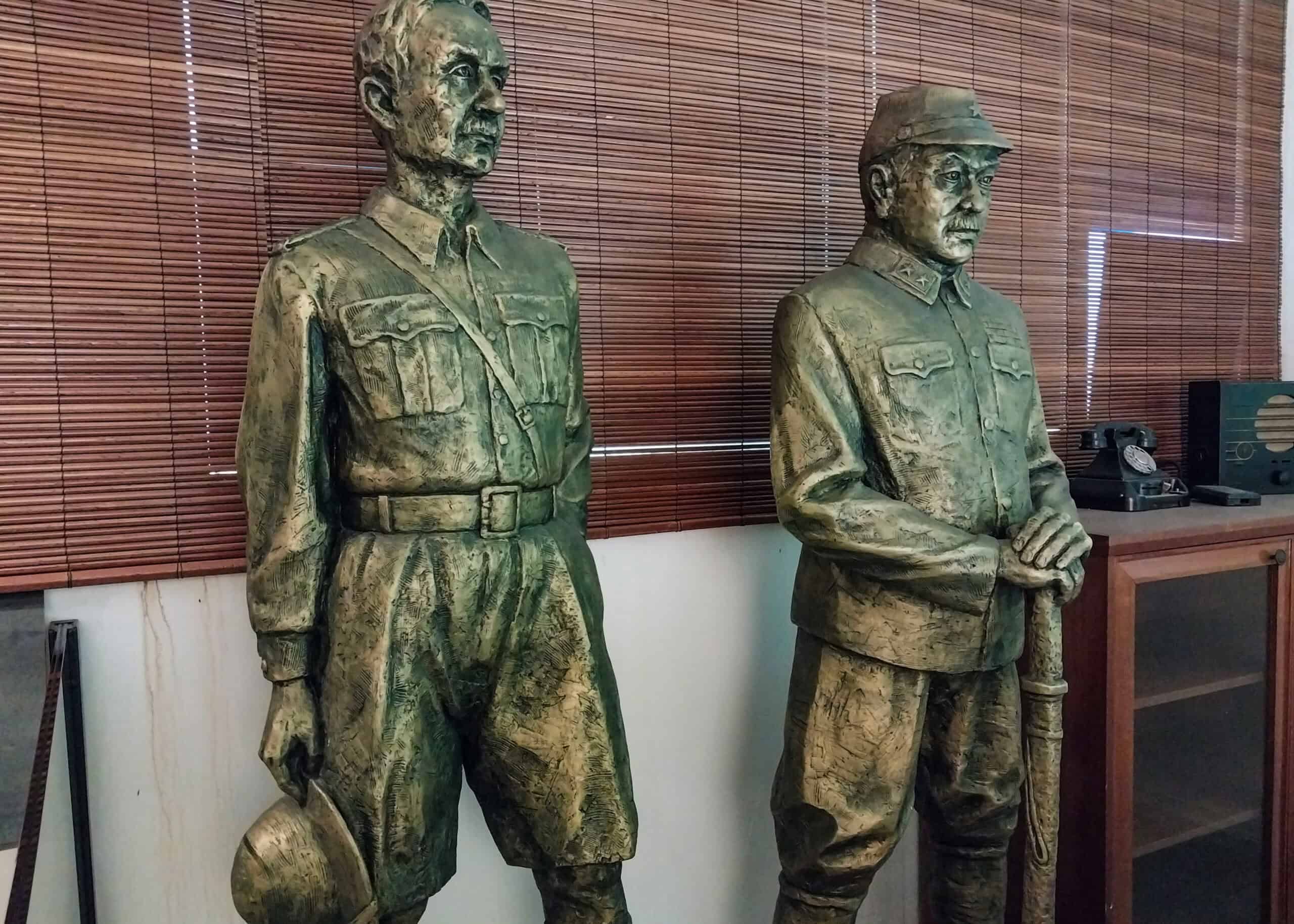
The National Archives of Singapore acquired the site in 2005, and the remaining building was restored. On February 15, 2006, 64 years after the surrender, the Former Ford Factory was gazetted as a National Monument.
The Former Ford Factory Today
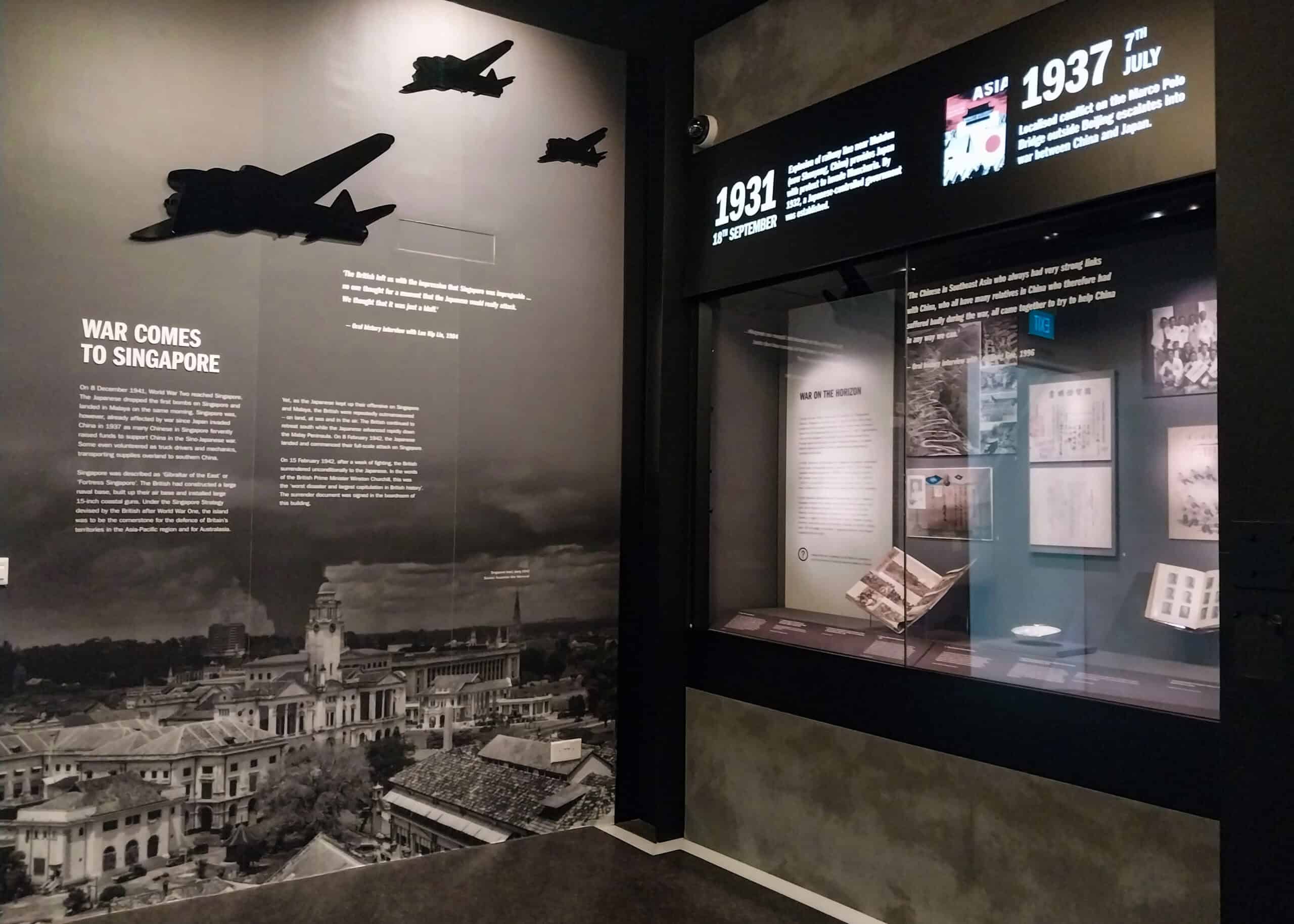
Today, the Former Ford Factory houses the permanent World War II exhibition Surviving the Japanese Occupation: War and Its Legacies, presented by the National Archives of Singapore.
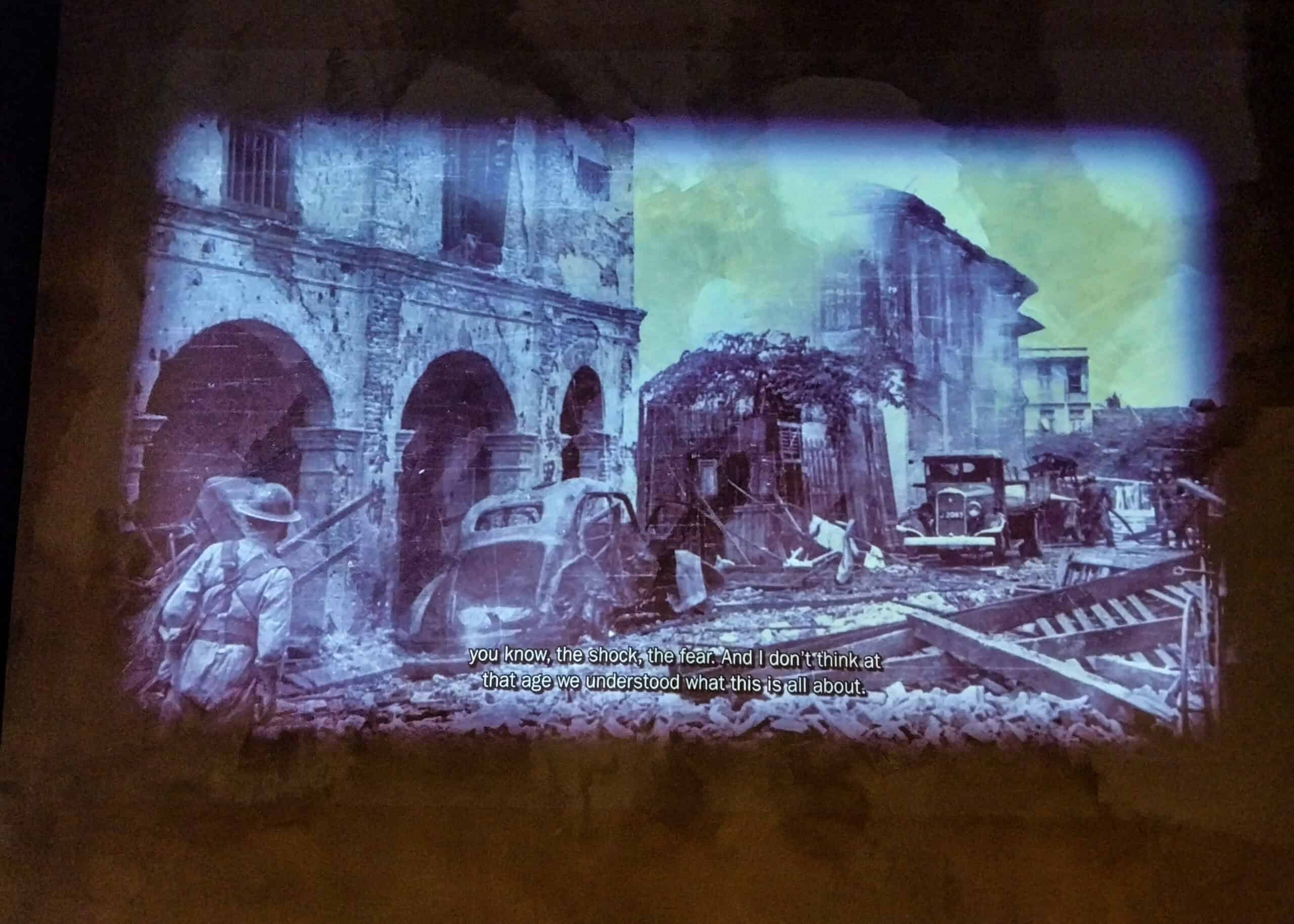
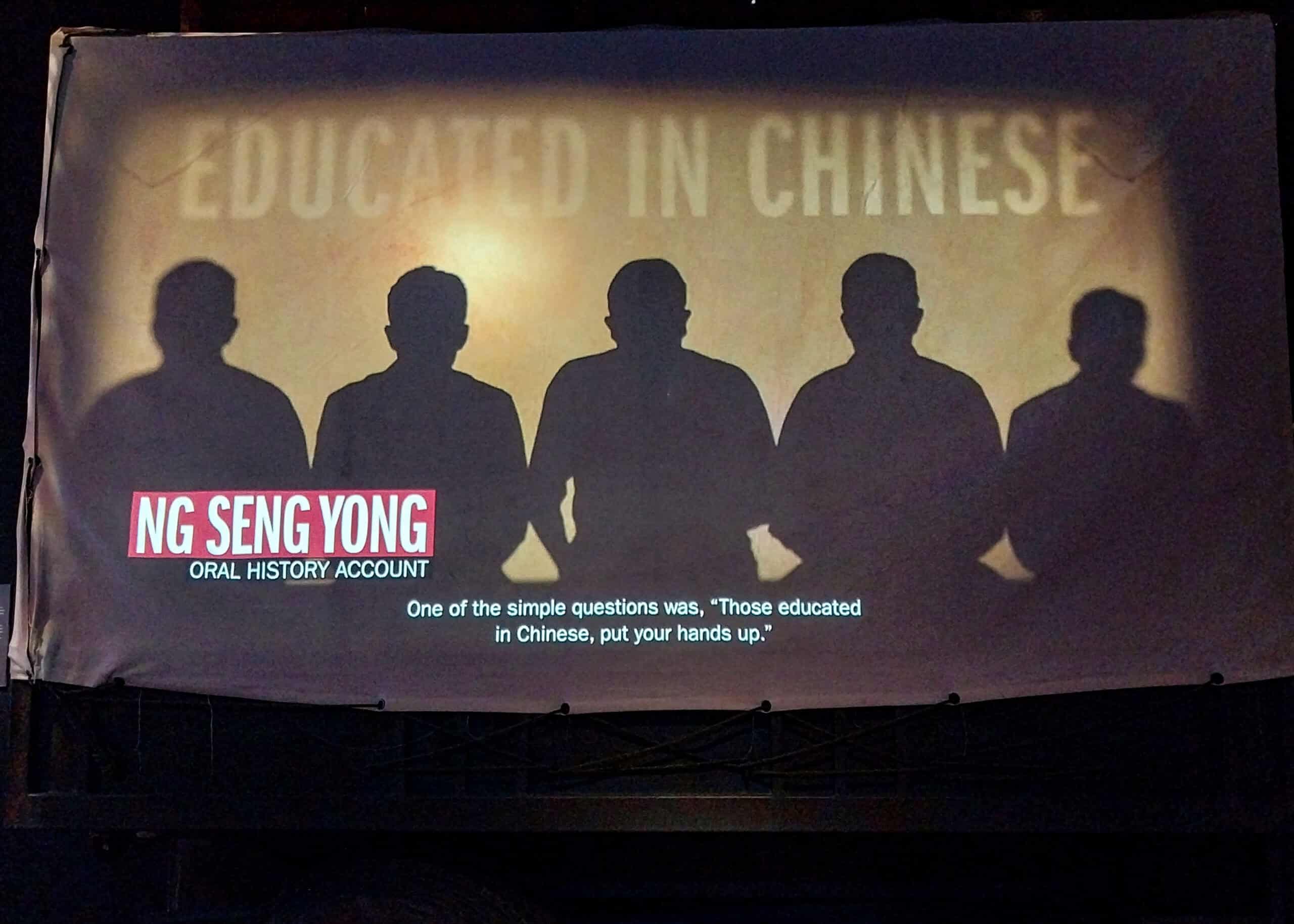
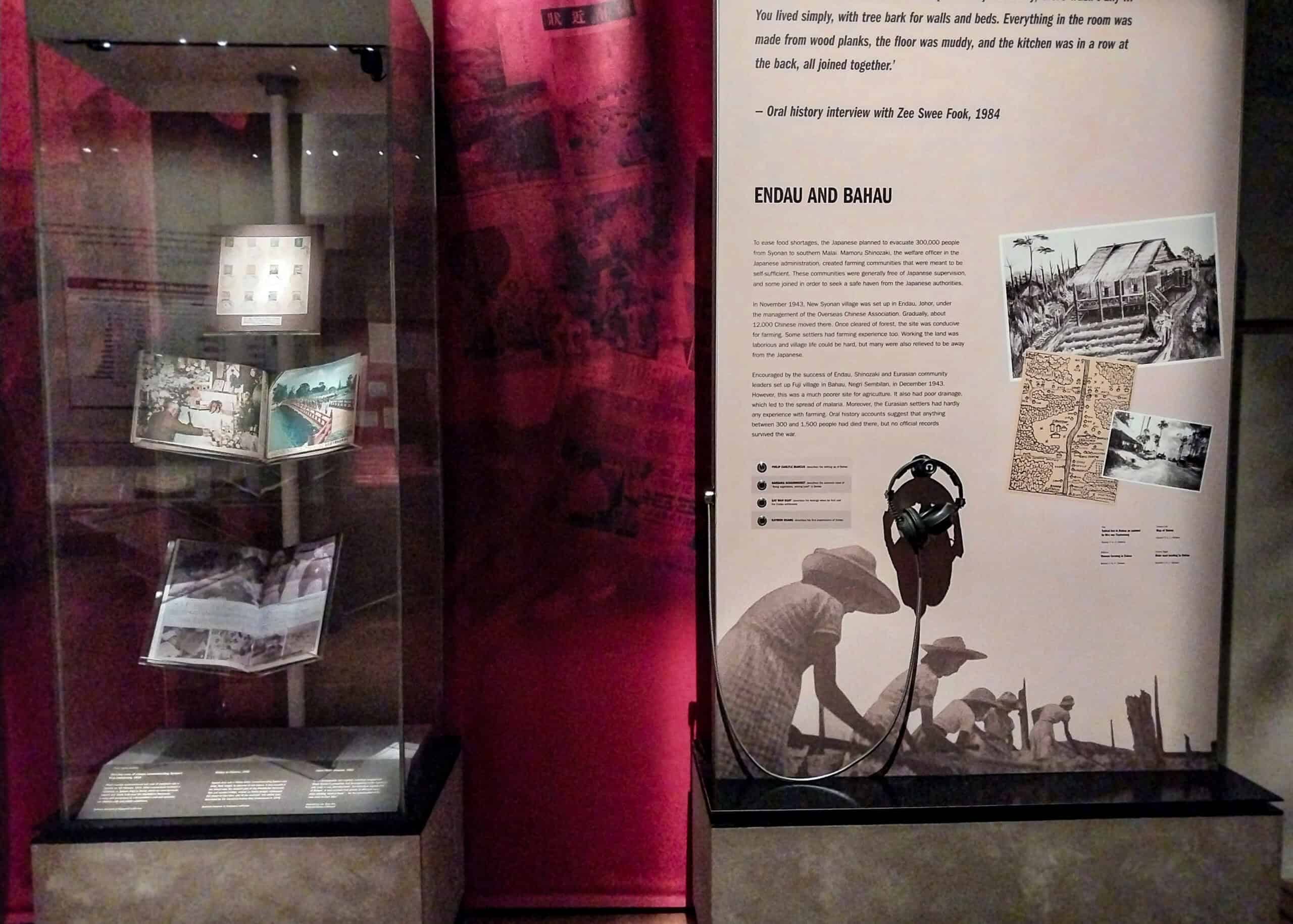
The exhibition goes beyond the military campaign. It also includes the experiences of civilians who lived through the occupation, including their hardships, resistance efforts and the violence of Sook Ching. Oral histories and personal belongings help tell those stories, as well as text overlays on screened videos. Their words are insightful and chilling.
The original boardroom where the British surrender was signed on February 15, 1942 is also part of the exhibition. The photographs from the surrender are displayed alongside the room, giving visitors a visual of the historic setting. The clock on the wall is frozen in time, documenting the fall of Singapore at 6:20pm.
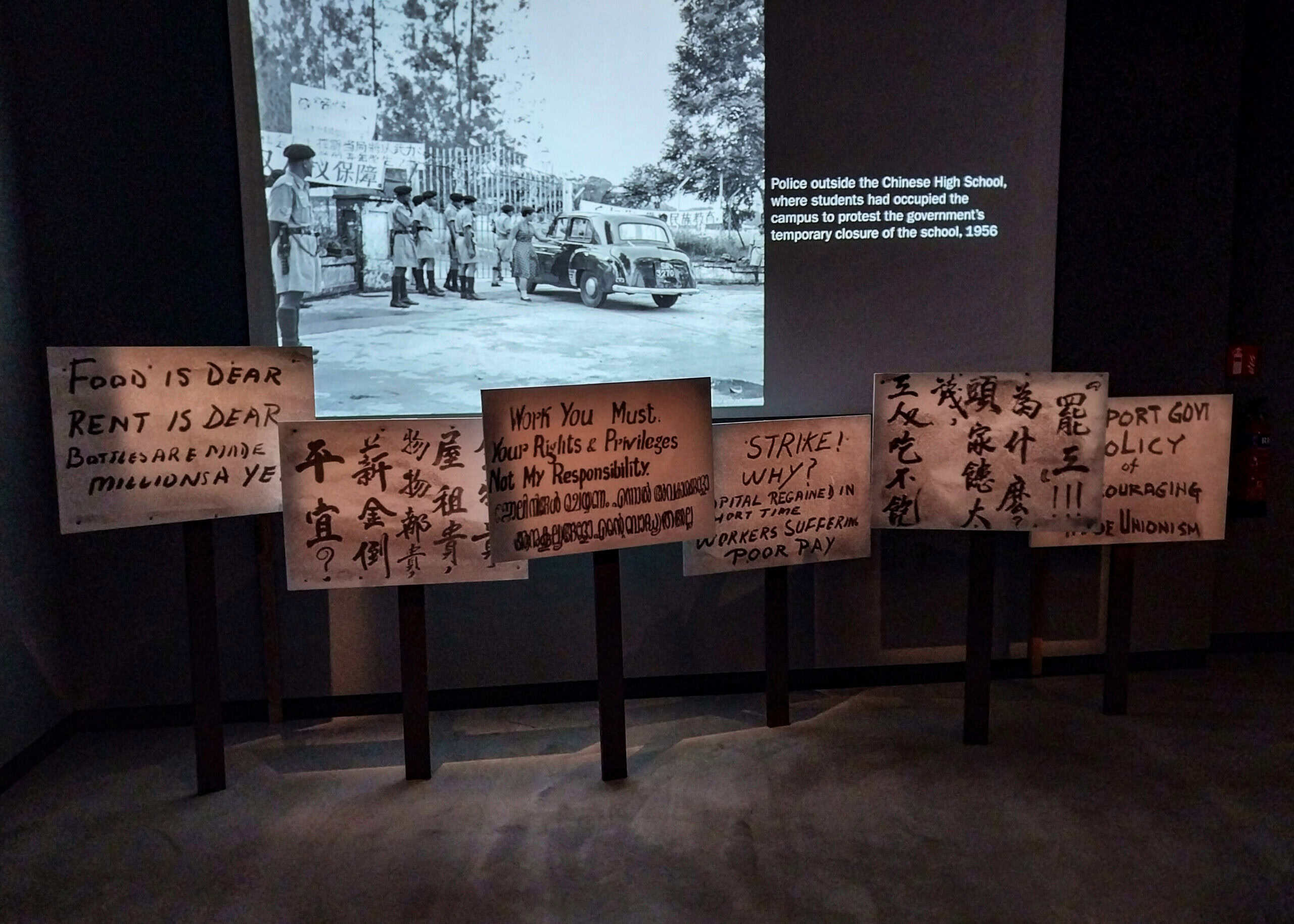
The museum also covers what happened in Singapore after the war in a section called “Legacies of War.” It includes the rise of communism, the Malayan Emergency and the political struggles that followed. I found this section a little confusing at first. it was such a shift from the story of the Japanese Occupation, but it helped explain what happened in Singapore after the war.
There’s also a small shop display at the Former Ford Factory, with books and other items related to Singapore’s history and the Second World War. I picked up a nifty military-style shoulder bag with a small crosshair insignia on it. It’s definitely worth a look if you appreciate history or unique souvenirs.
Planning Your Visit
The Former Ford Factory is at 351 Upper Bukit Timah Road. It’s open Tuesday to Sunday from 9:00am to 5:30pm and closed on Mondays. Admission is free for Singapore Citizens and Permanent Residents. Foreign visitors pay S$7.13, including GST.
The nearest MRT station is Hume MRT Station on the Downtown Line (DTL). Take Exit 1 and it’s about a three-minute walk from the station. Give yourself an hour or two at the museum if you want to take your time with the exhibits.
Check the National Archives of Singapore website before you go for the latest opening hours, admission information or other pertinent museum updates: National Archives of Singapore
For more on Singapore during World War Two: My Return Visit to Changi Chapel and Museum
Leave a Reply