
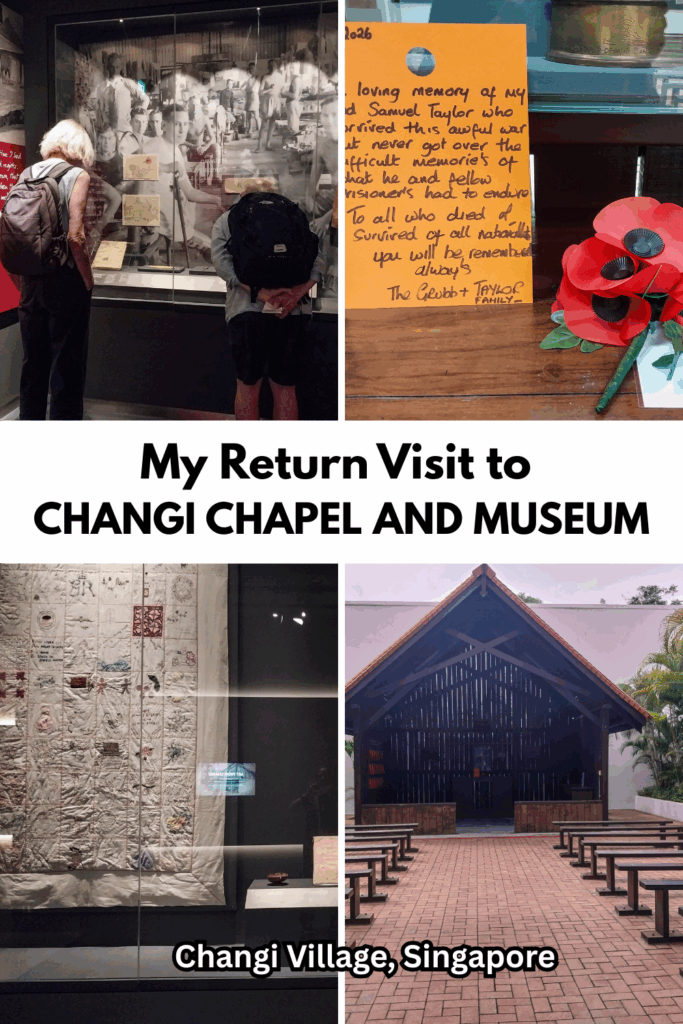
I recently returned to Singapore’s Changi Chapel and Museum, after finding it closed for remodeling on my last visit several years ago. Walking through the galleries again brought back memories of my first visit, which had a powerful impact on me, along with an awareness of how much the space has changed over time.
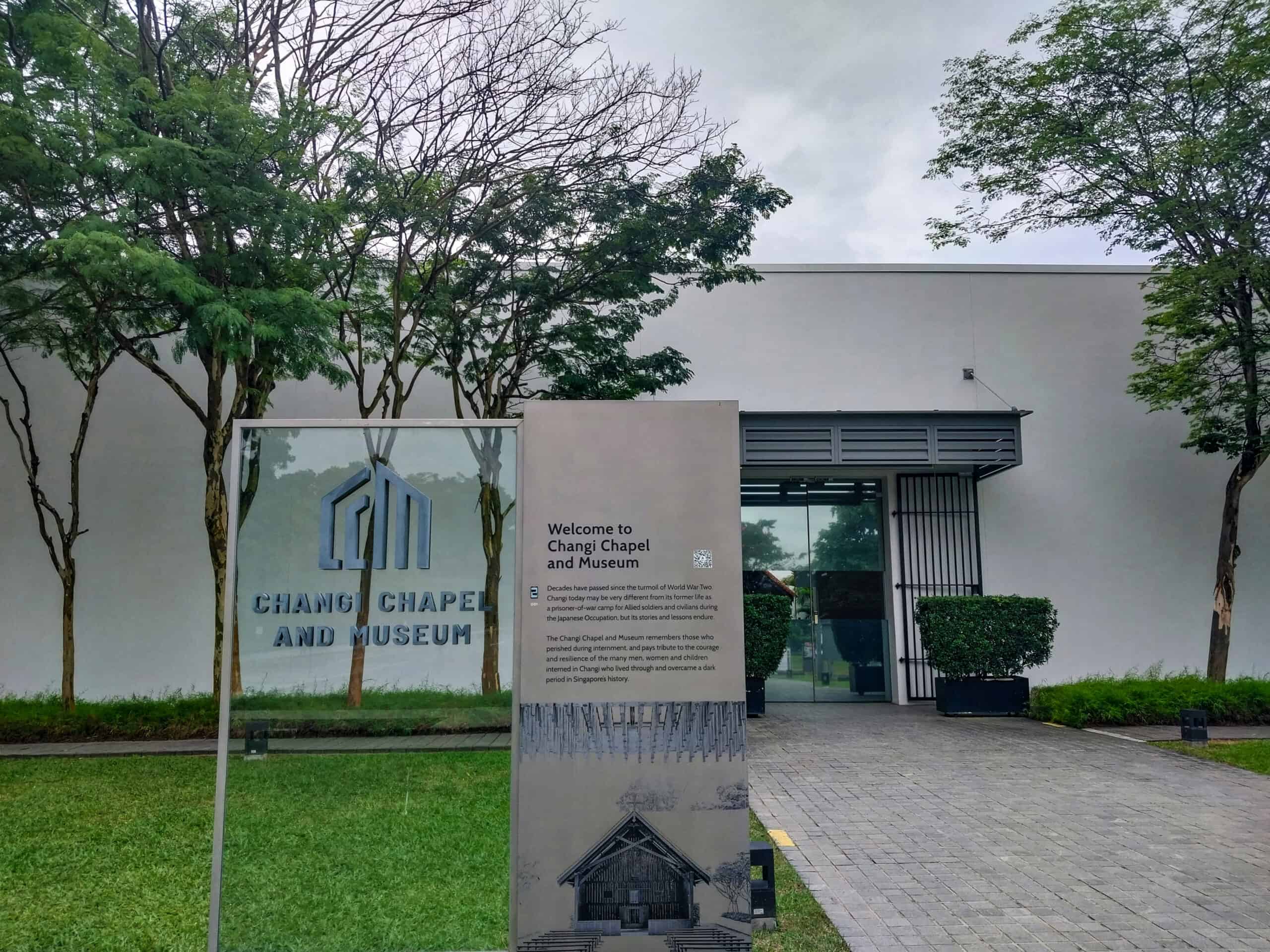
This was my third visit to the museum. While the current presentation is more structured, it also reflects a clearer approach to how Changi’s history is now presented.
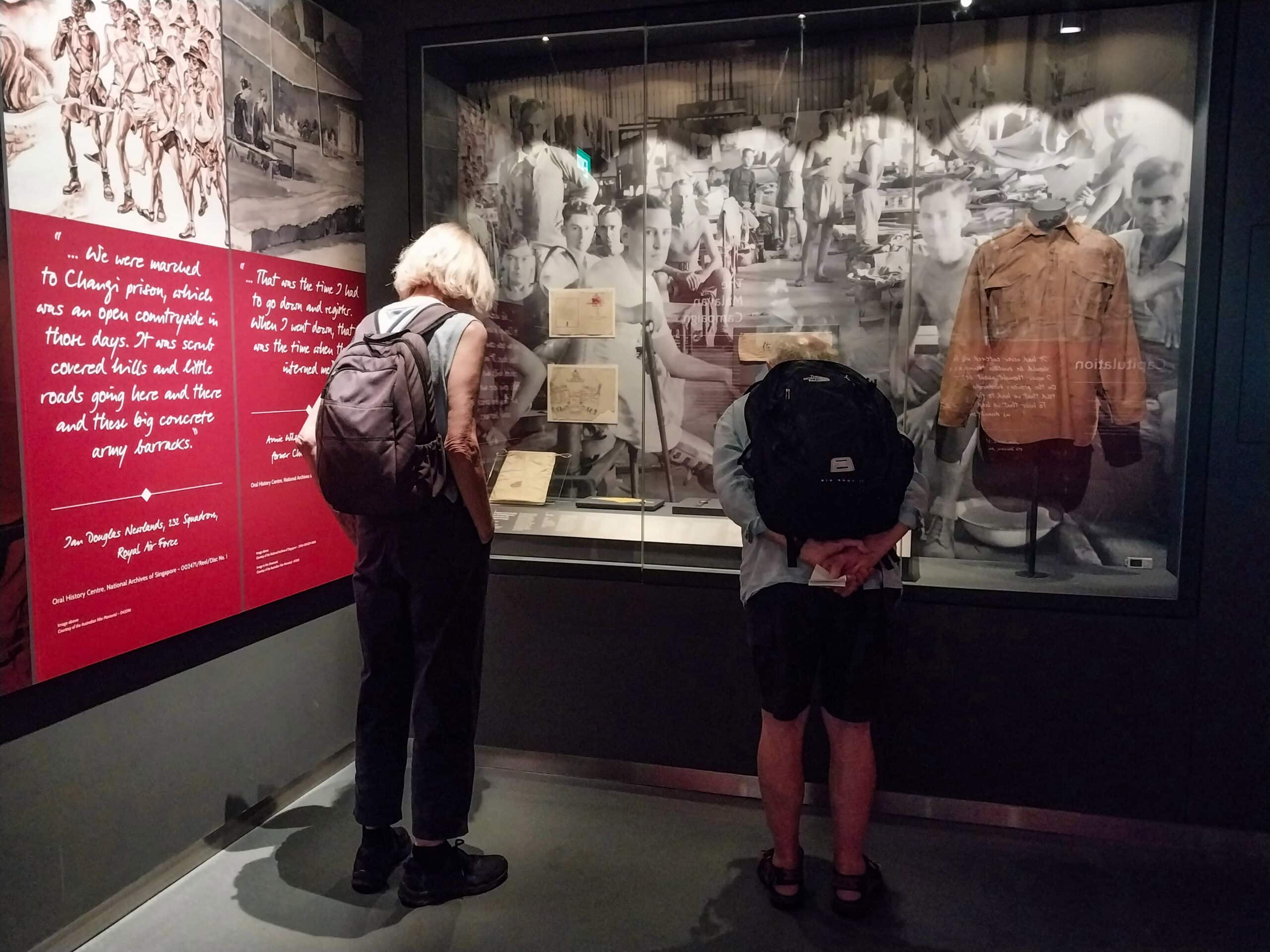
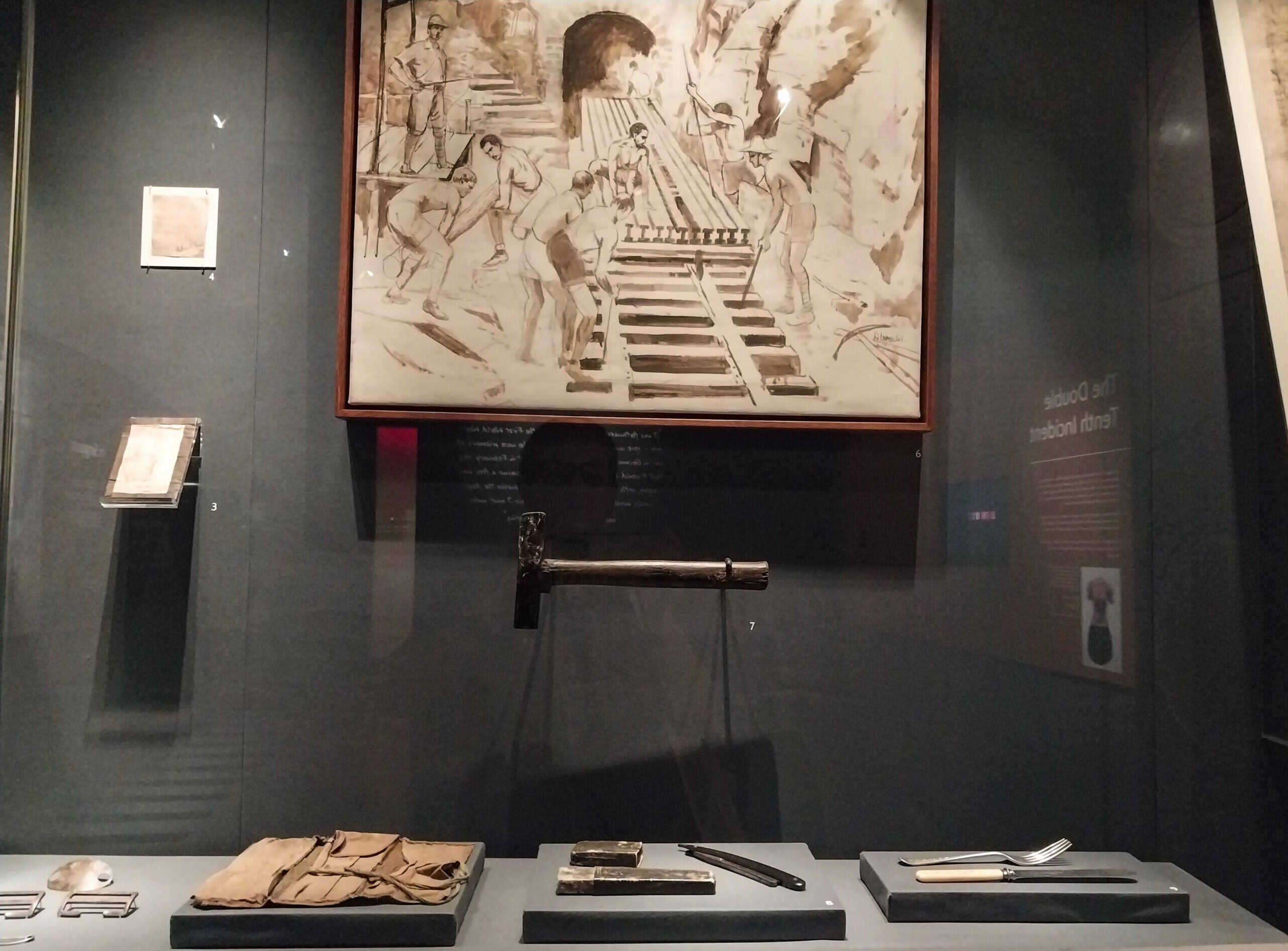
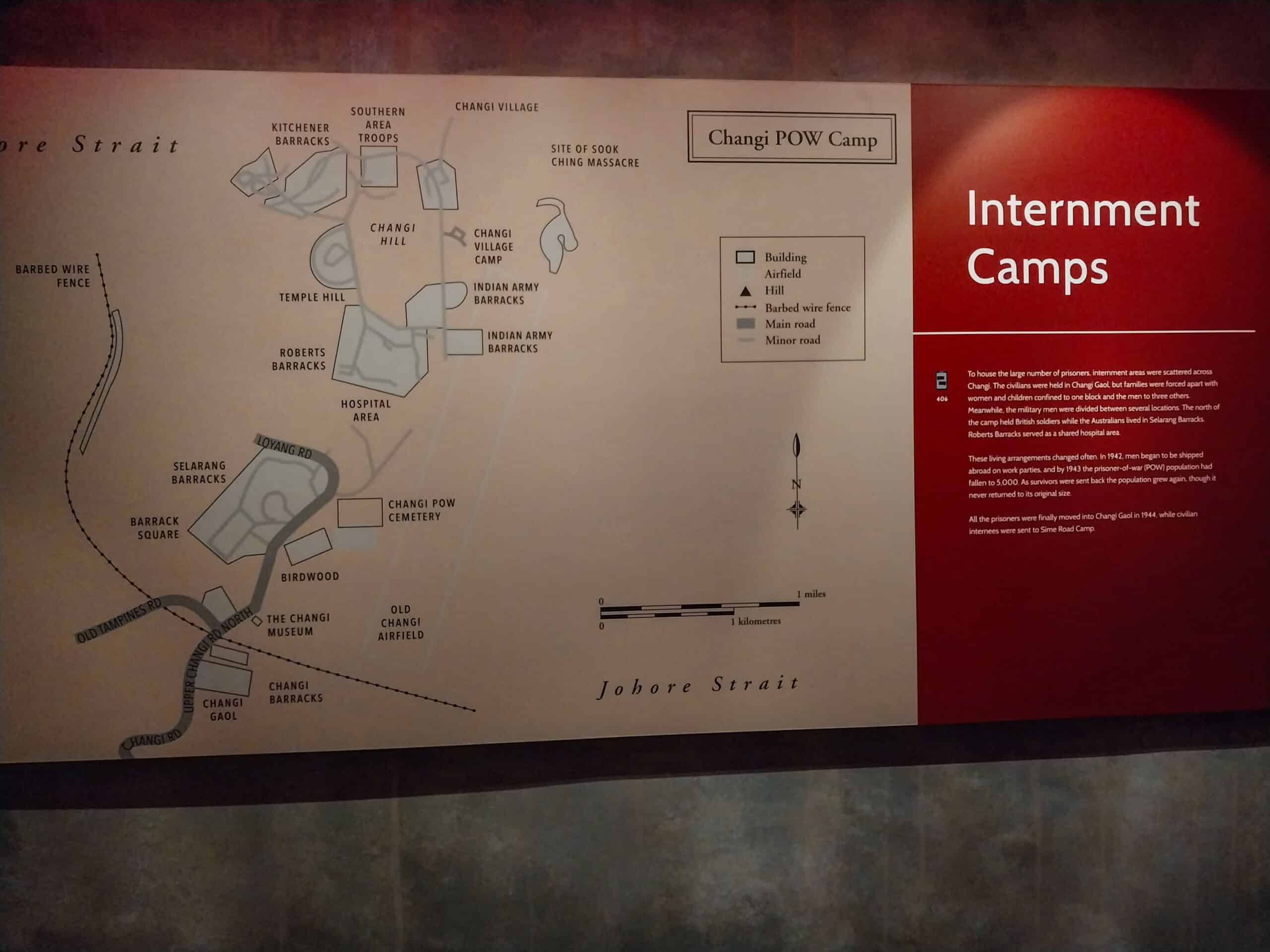
Changi Chapel and Museum tells the story of prisoners of war and civilian internees held by the Japanese during the occupation of Singapore from 1942 to 1945. While Changi Prison was originally built in 1936, it was during World War II that the prison and its surrounding areas became synonymous with captivity and hardship.
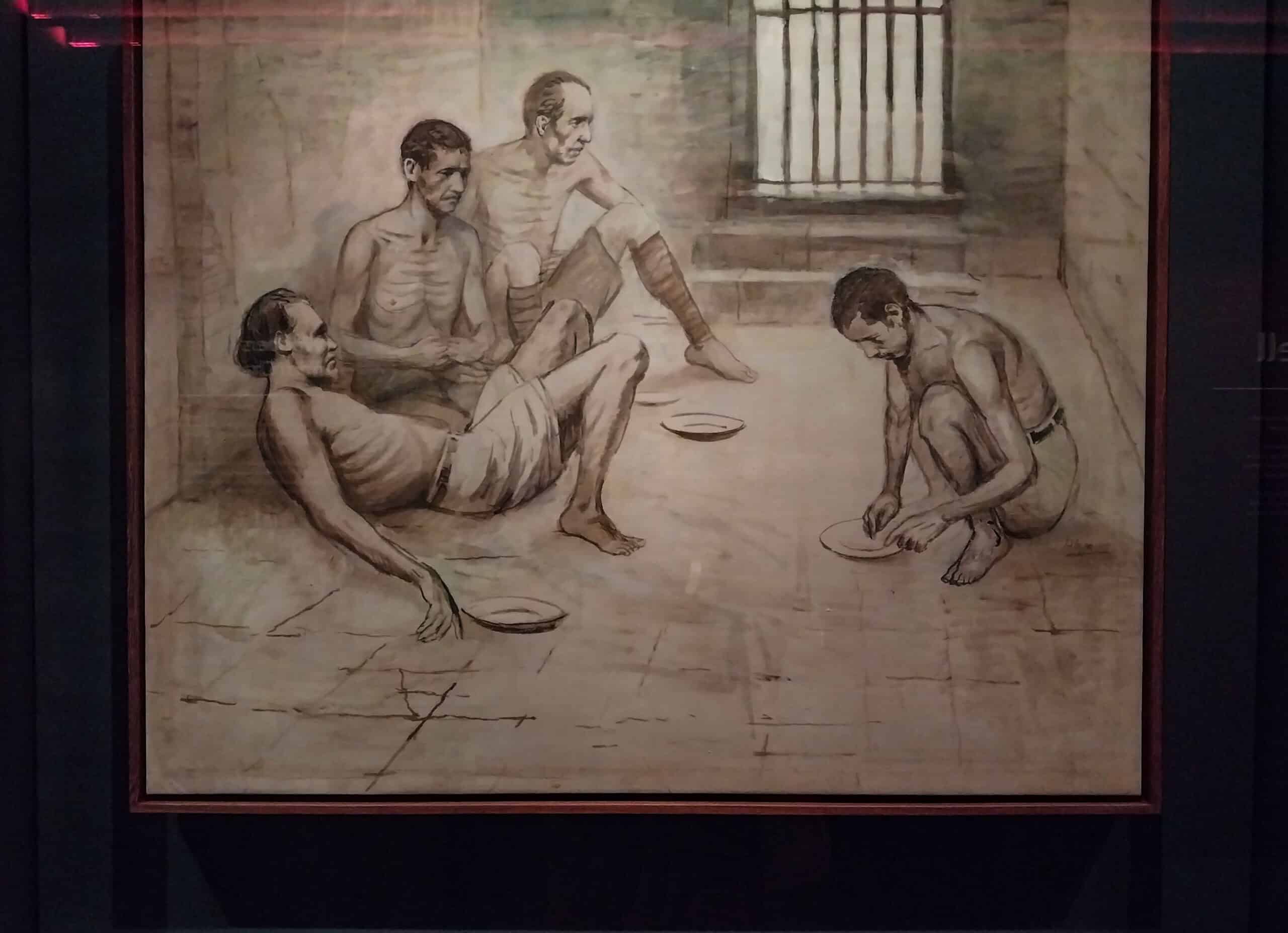
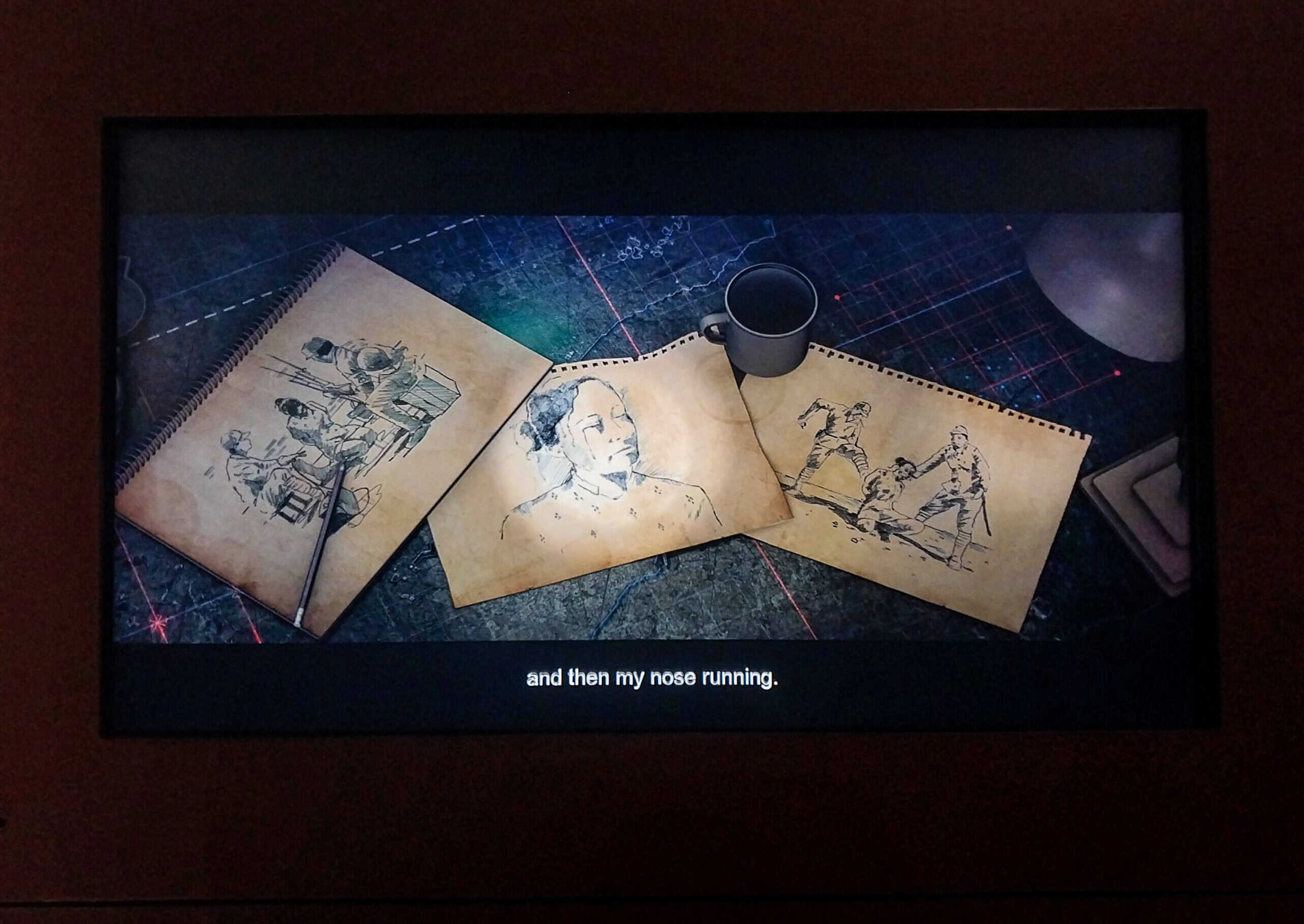
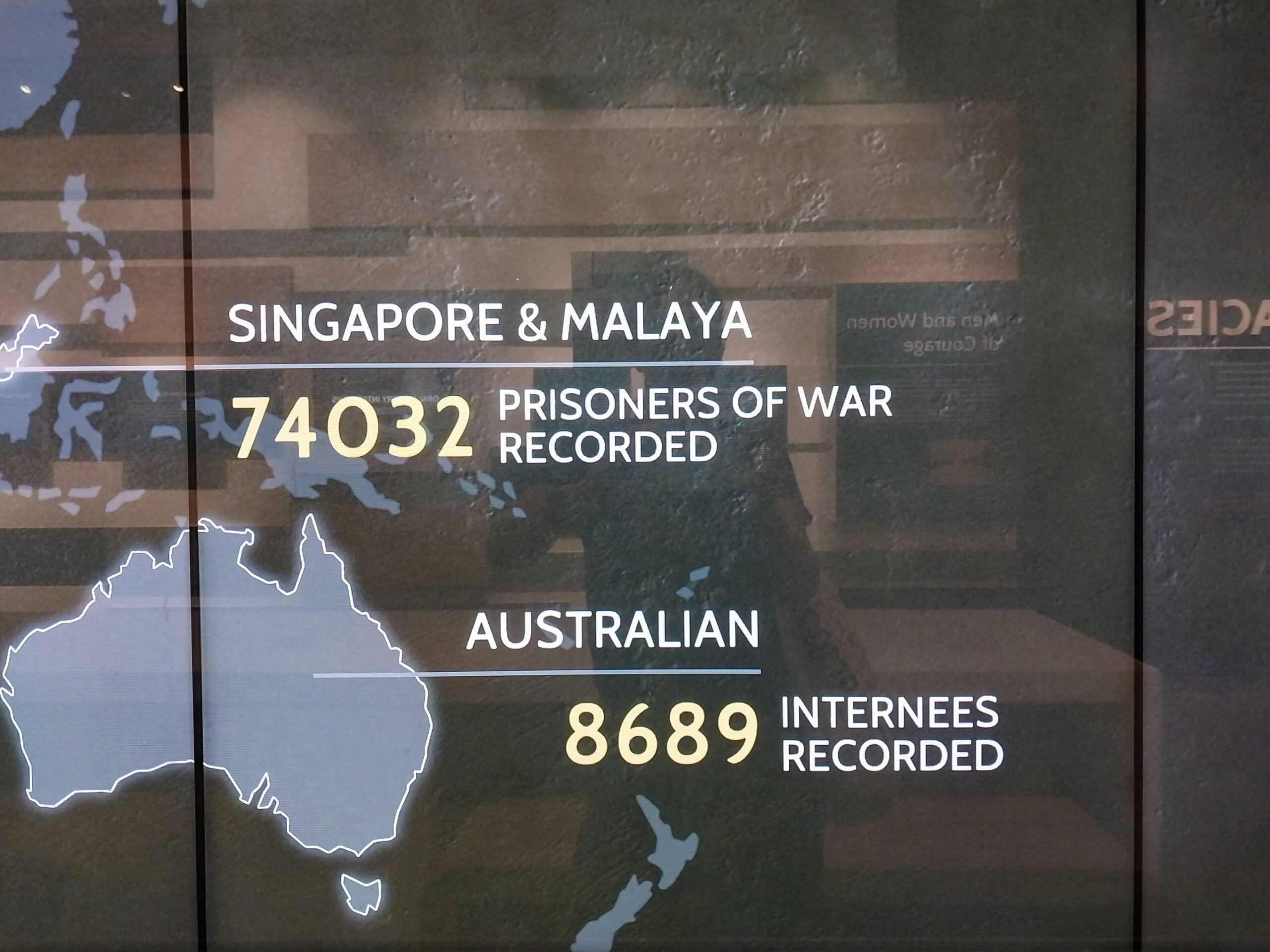
During the occupation, an estimated 74,000 British, Australian, and other Allied prisoners of war were held in Changi, along with approximately 3,500 civilians, including women and children. The museum focuses on daily life in captivity, survival, faith, and memory, rather than military campaigns.
A Little Museum History
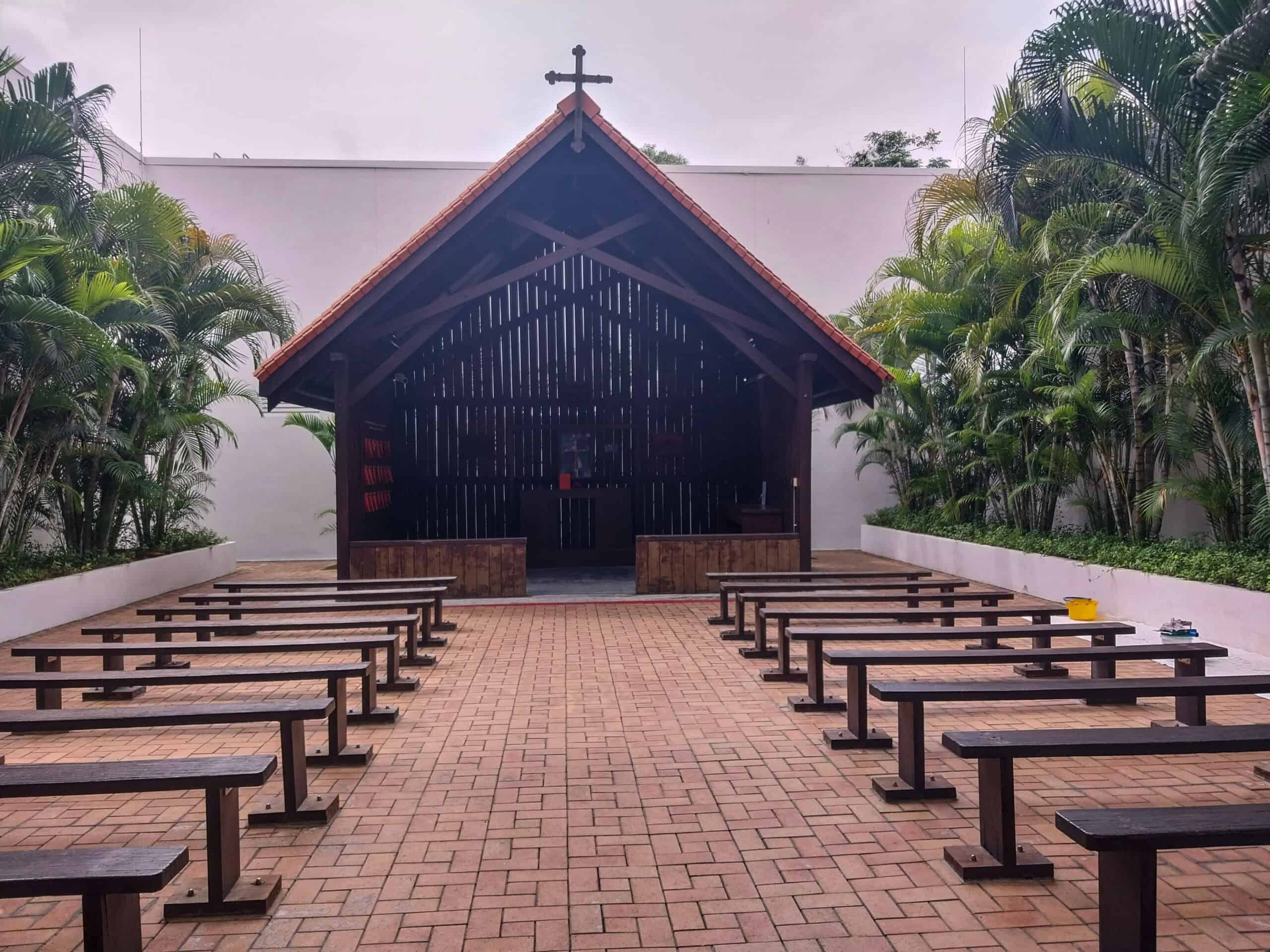
The first version of the site opened in Changi Village in 1988, next to Changi Prison. It included a replica of St George’s Church, a chapel built by prisoners during the war, and a small display of artefacts and photographs.
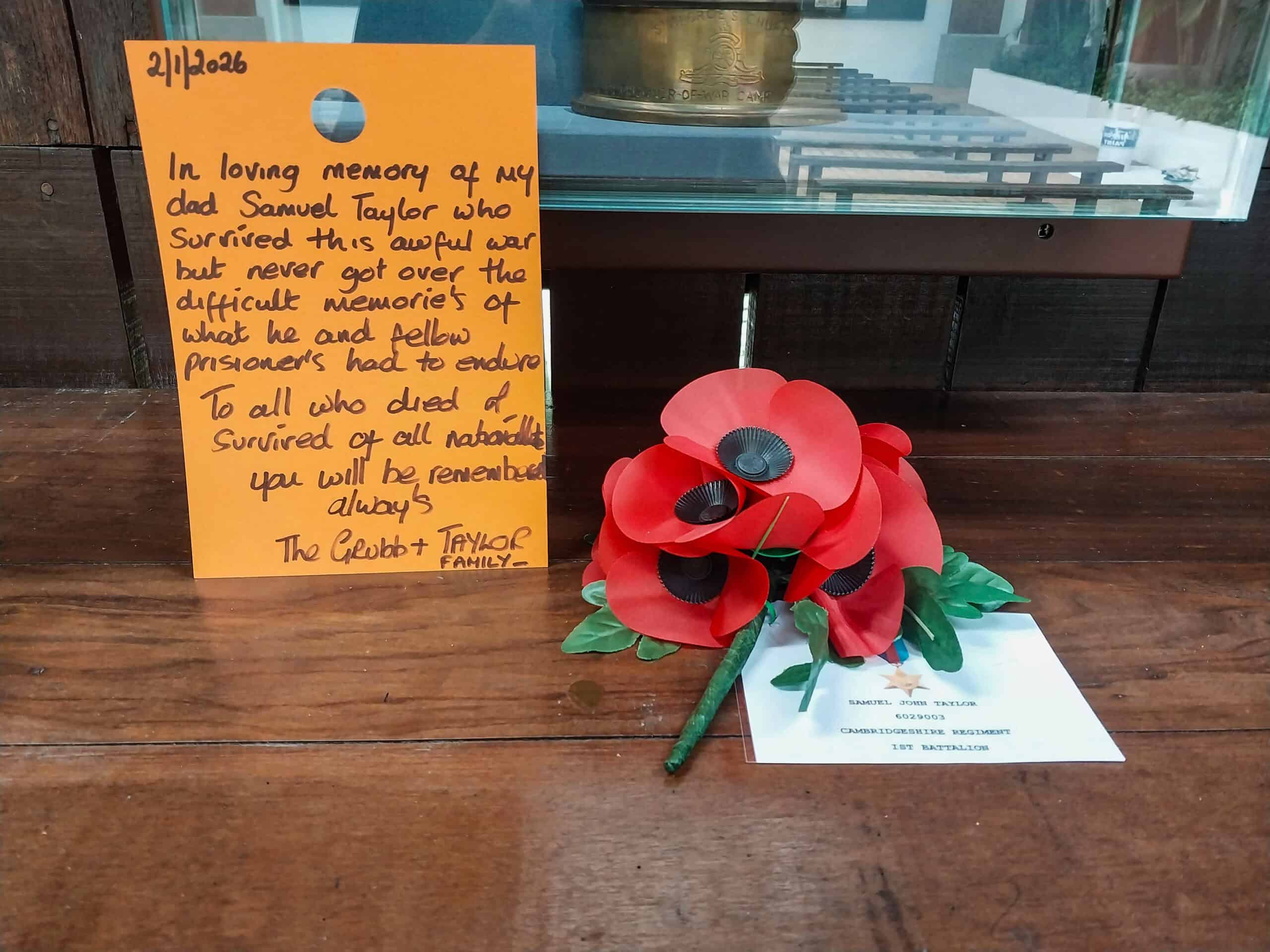
In 2001, the museum was relocated to its current site along Upper Changi Road North following prison redevelopment. The move allowed for a larger exhibition space and a clearer structure. From that point on, Changi Chapel and Museum functioned as a standalone heritage museum rather than a small memorial site.
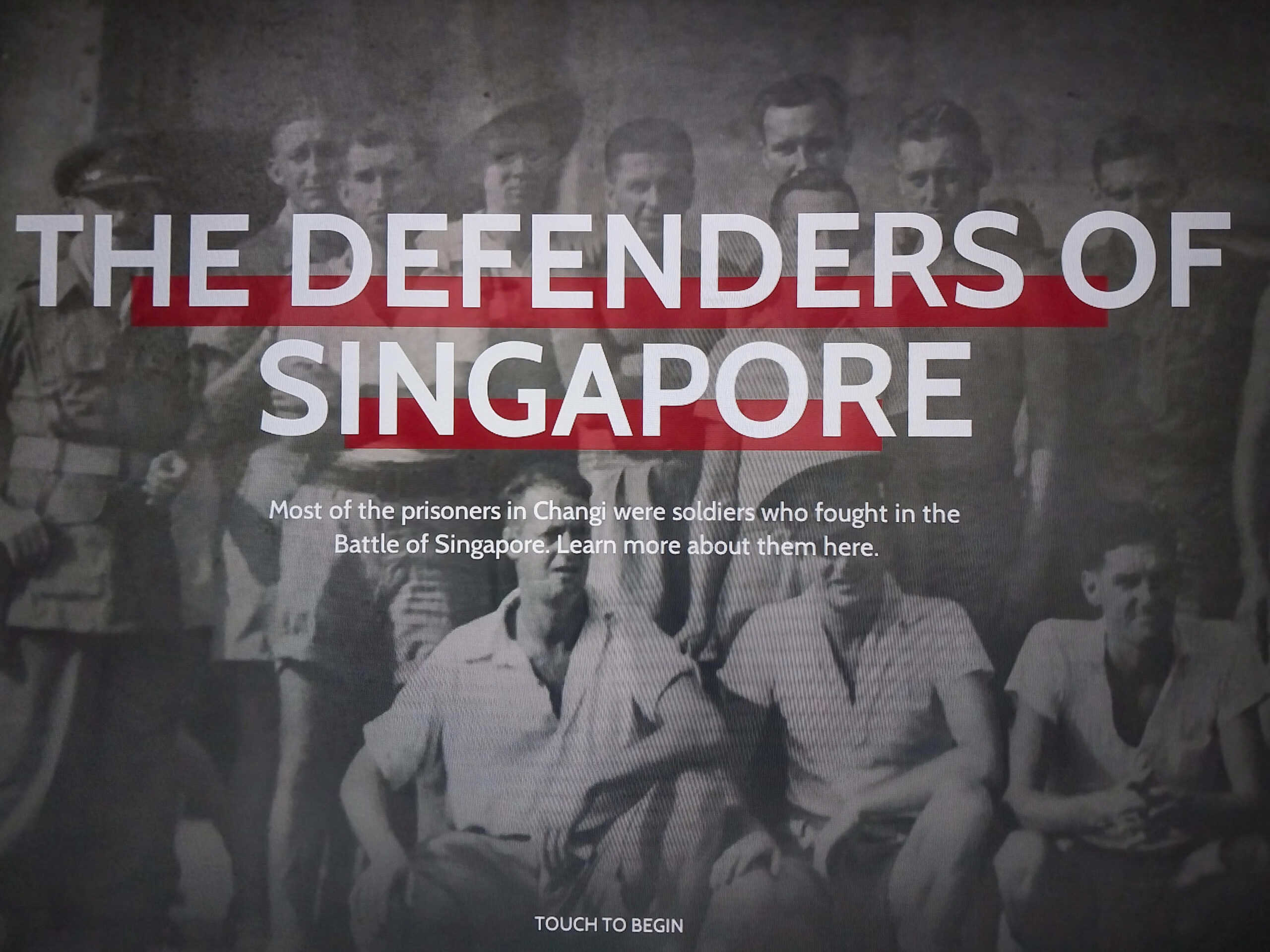
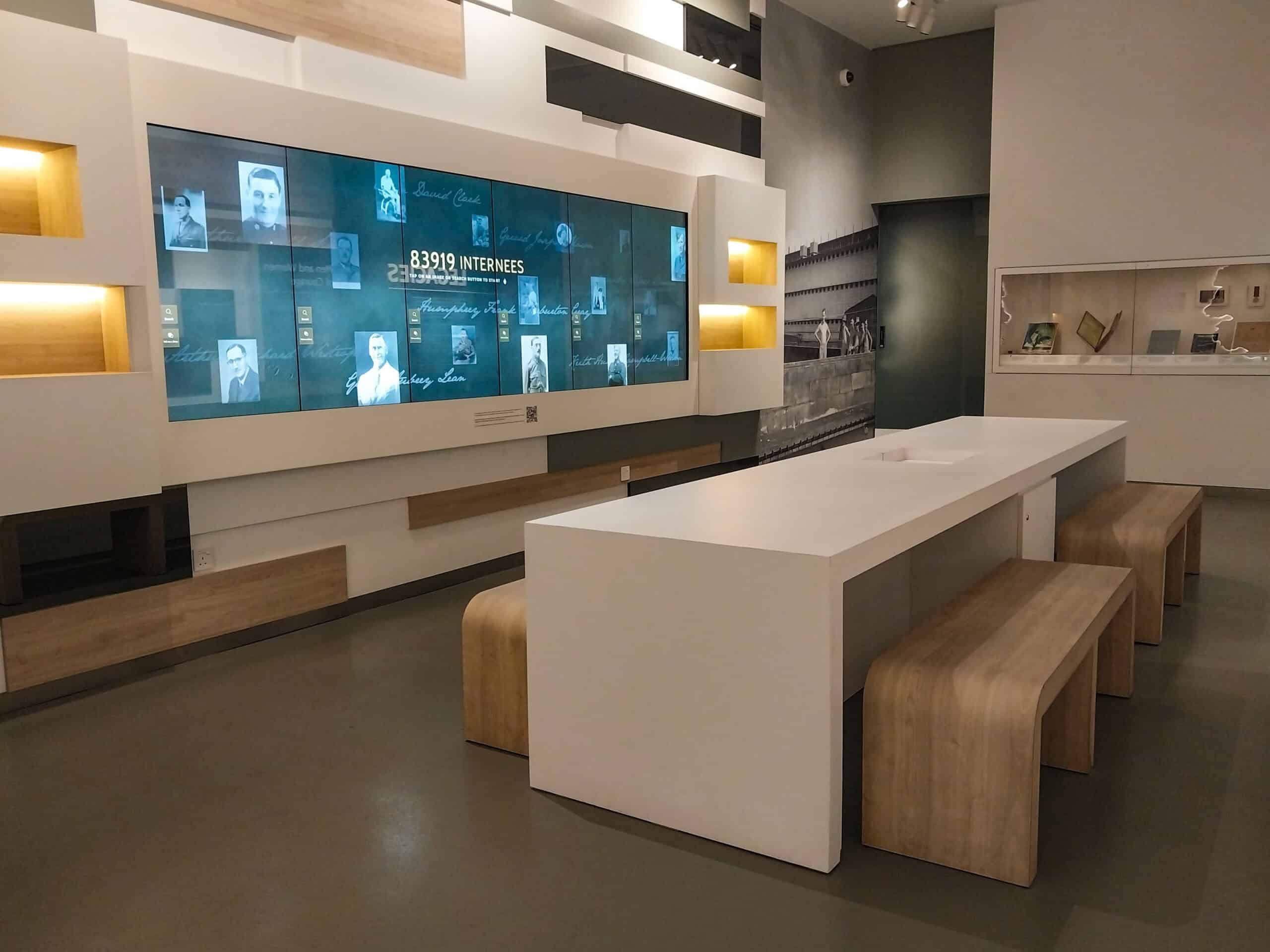
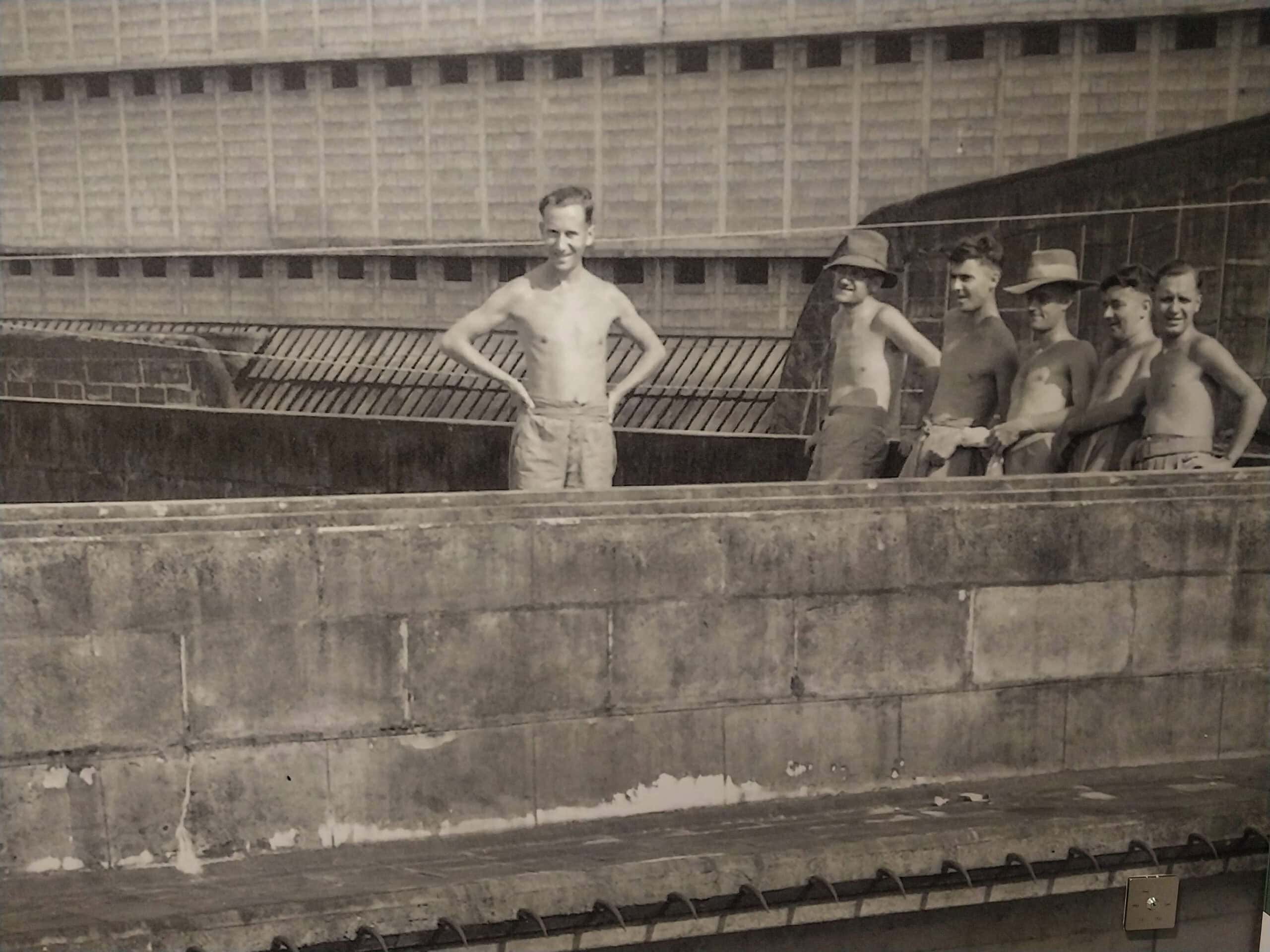
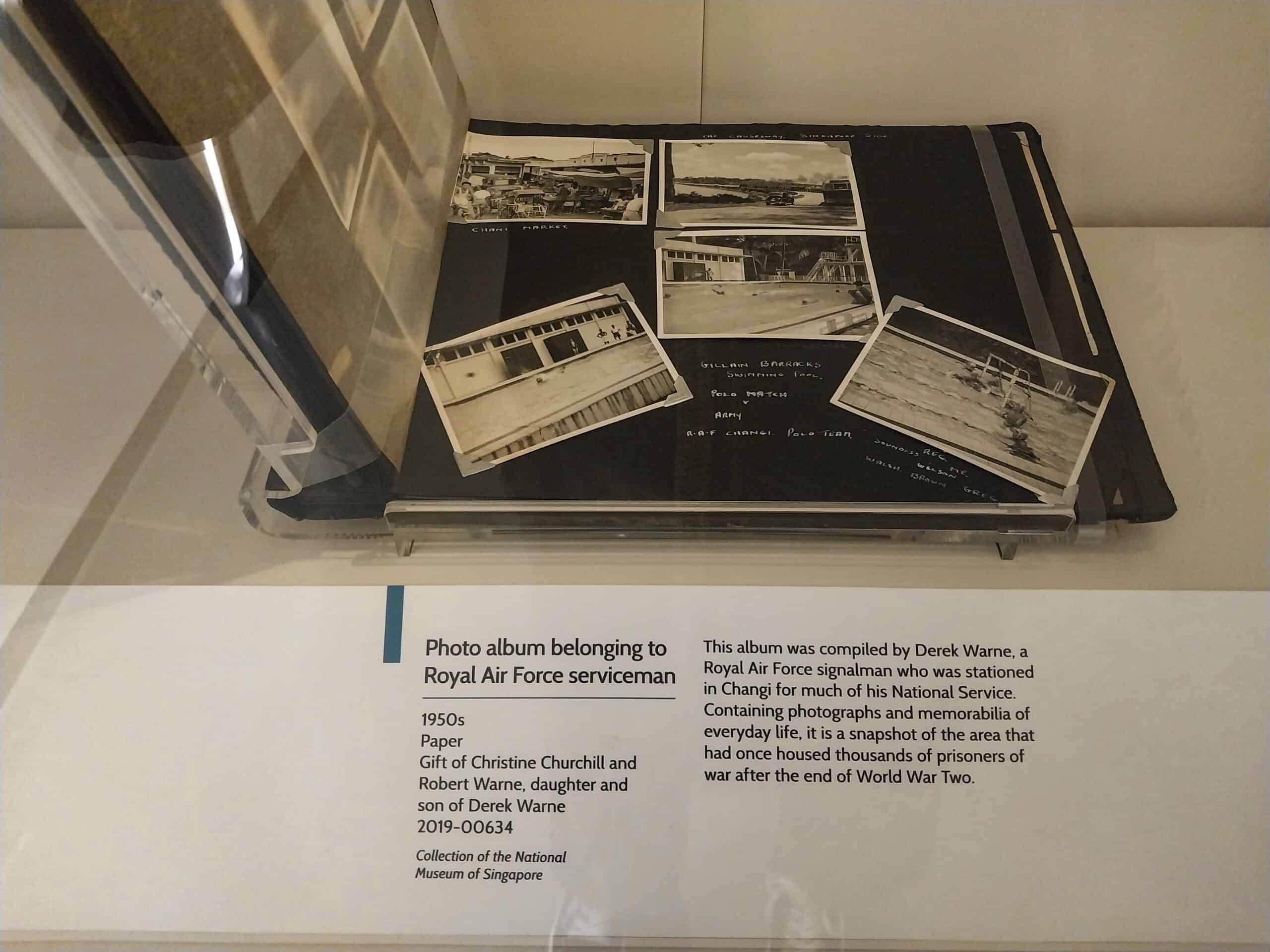
The museum illustrates the period of Japanese occupation between 1942 and 1945 through original photographs, drawings, letters, and personal objects. These materials offer a direct glimpse into the lived experience of incarceration, covering both prisoners of war and civilian internees.
Records of more than 5,000 civilian prisoners are held by the museum, reinforcing the scale and diversity of those interned at Changi during the war.
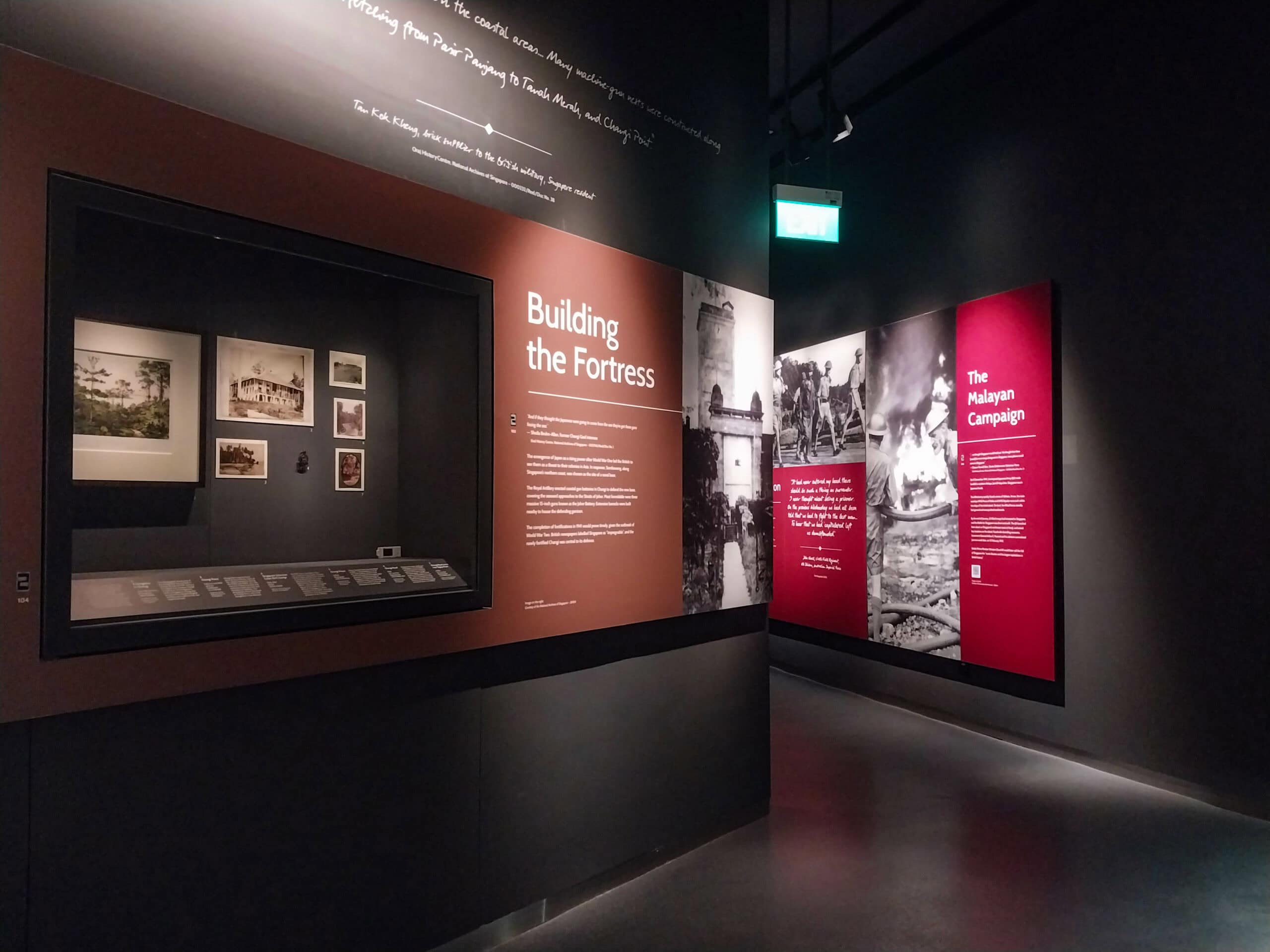
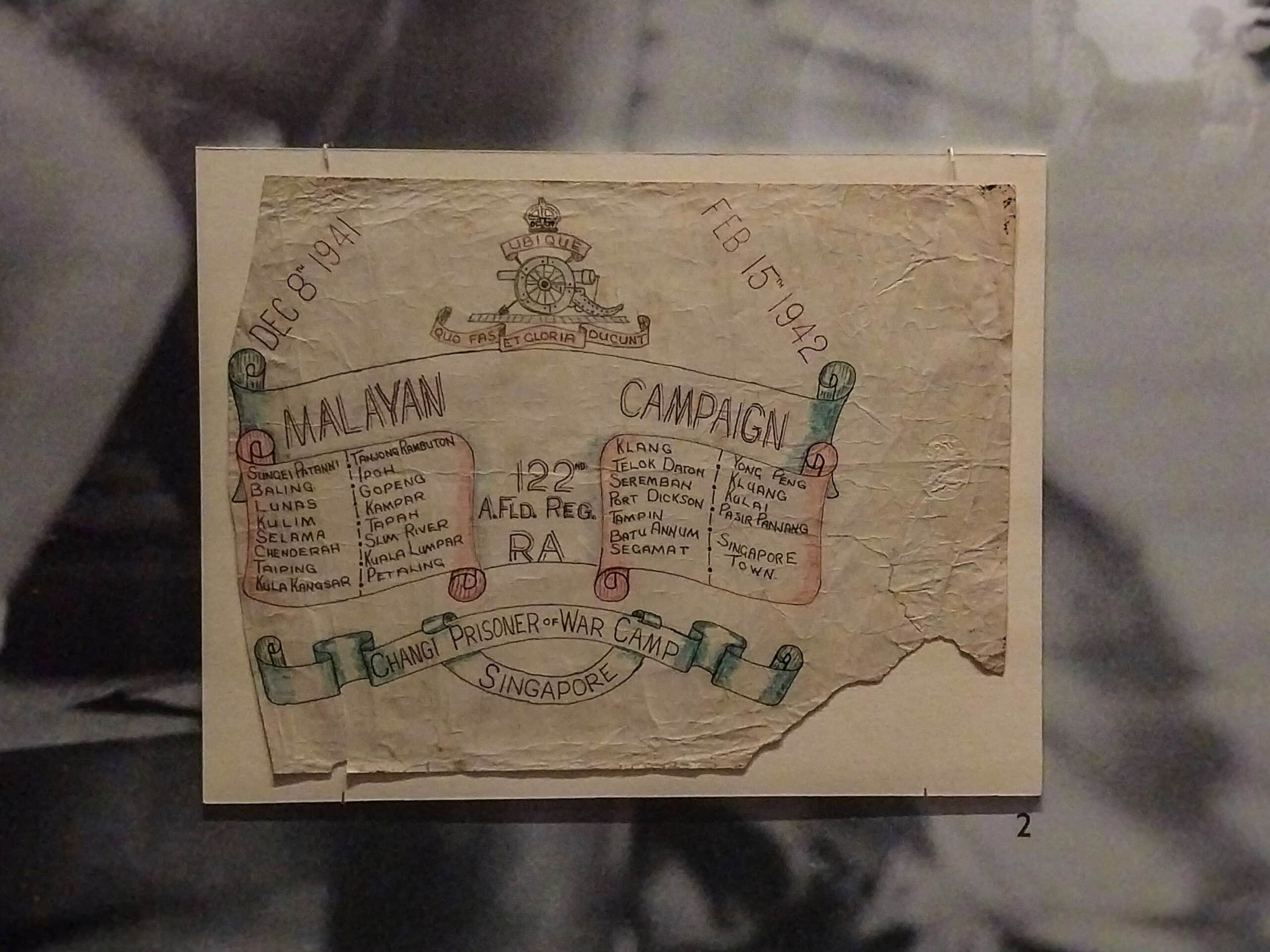
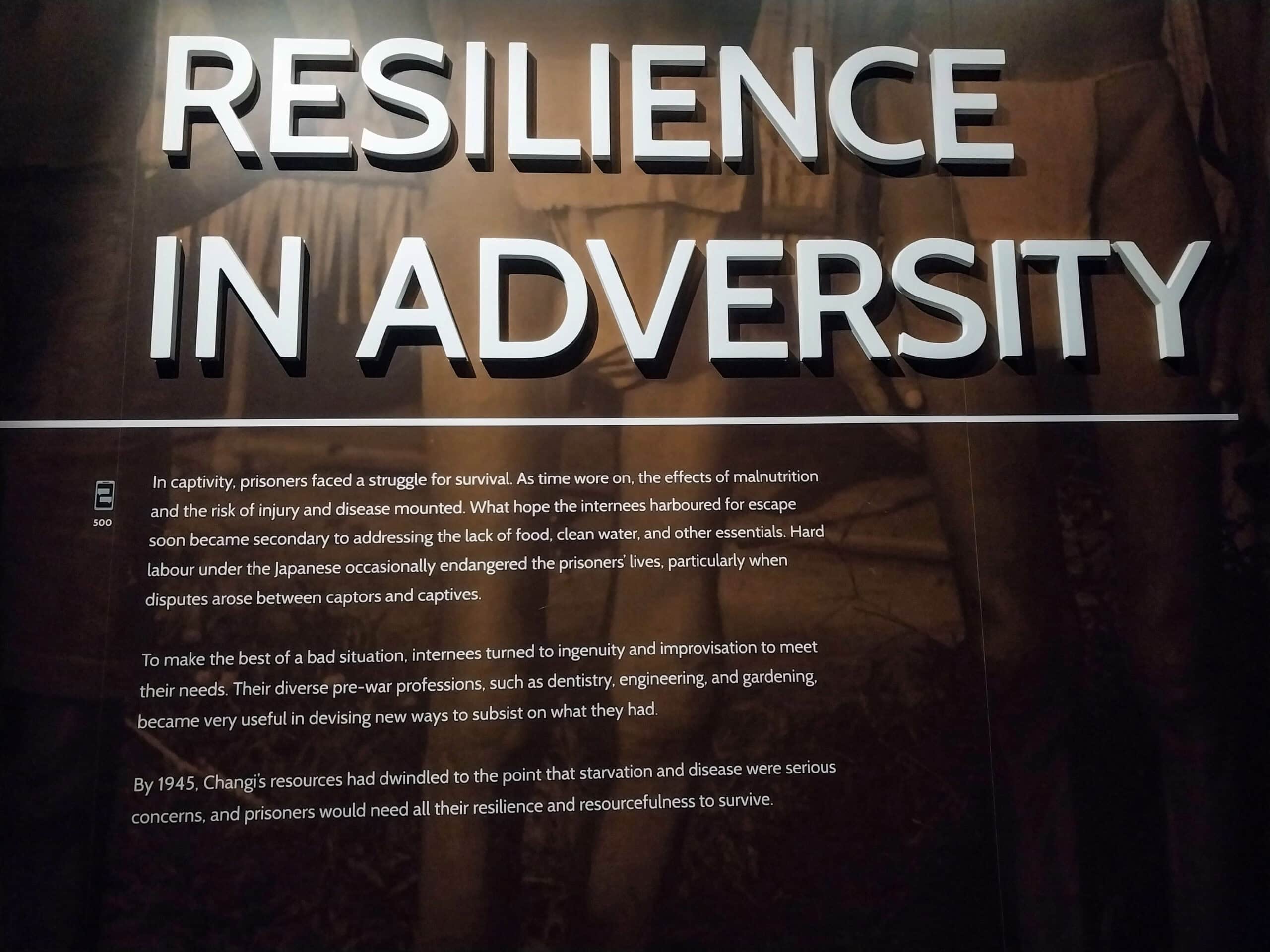
Following its closure in 2018, the museum reopened in 2021 after a full redevelopment. The exhibition is now divided into eight galleries: Changi Fortress, Fallen Fortress, The Interned, Life as Prisoners of War, Resilience in Adversity, Creativity in Adversity, Liberation, and Legacies. Visitors move chronologically through the galleries, from pre-war Changi to post-war remembrance.

The emphasis is on personal stories. Named individuals, including soldiers, nurses, women, and children, anchor the narrative. Diaries, drawings, hidden cameras, and handmade tools are central to the displays. Immersive elements such as sound recordings and recreated spaces are used sparingly to support understanding rather than spectacle.
Visiting Changi Chapel and Museum
Guided and audio tours are available. Photography was previously prohibited, but non-flash photography is now allowed inside the museum. Allow at least two hours for a visit, as the material can be emotionally demanding. A bookshop on site carries publications and related material.
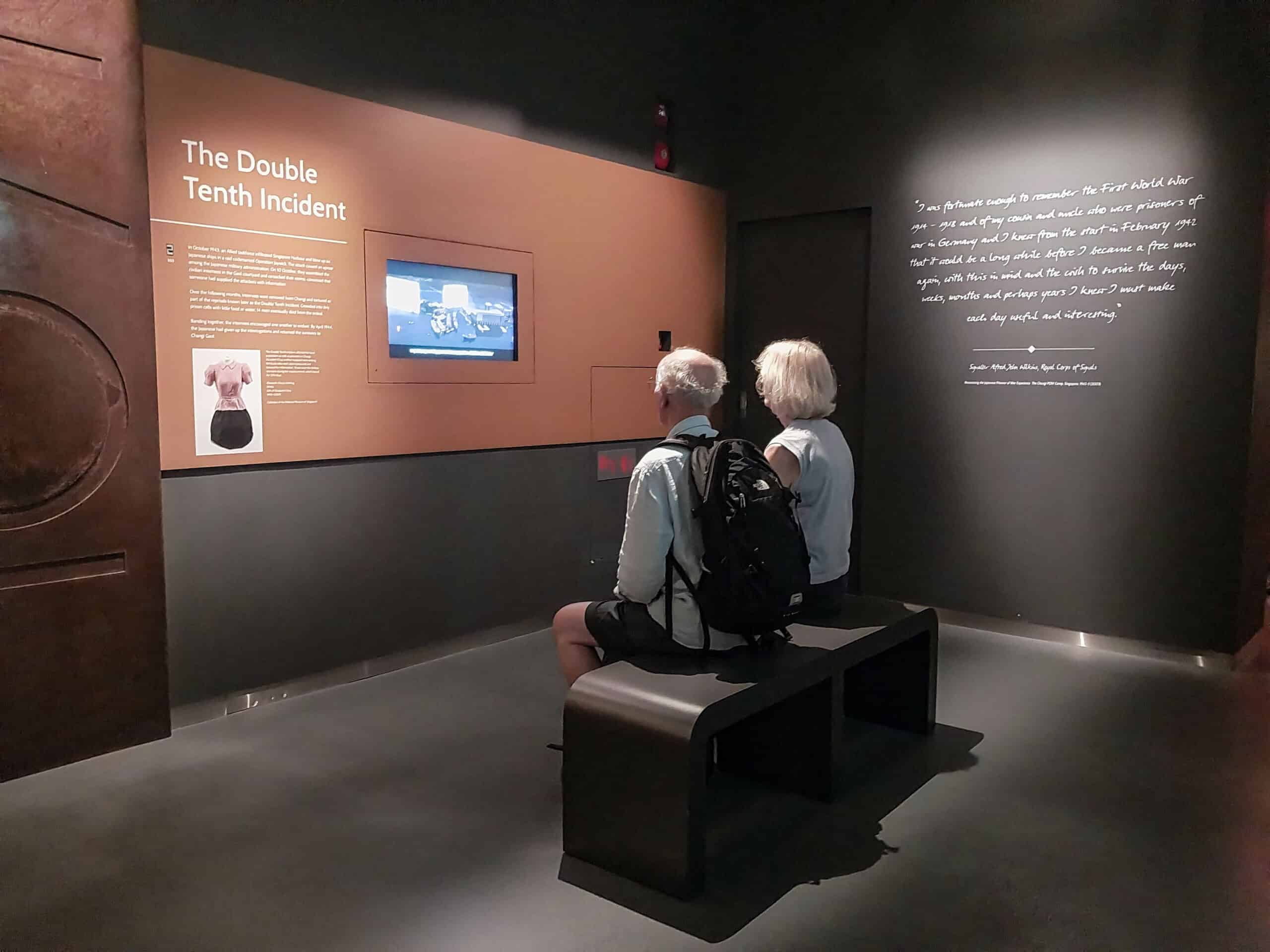
The museum presents a restrained, personal account of wartime captivity, placing emphasis on endurance, loss, and memory rather than heroism. Changi Chapel and Museum has existed in some form since 1988 and has occupied its current site since 2001.
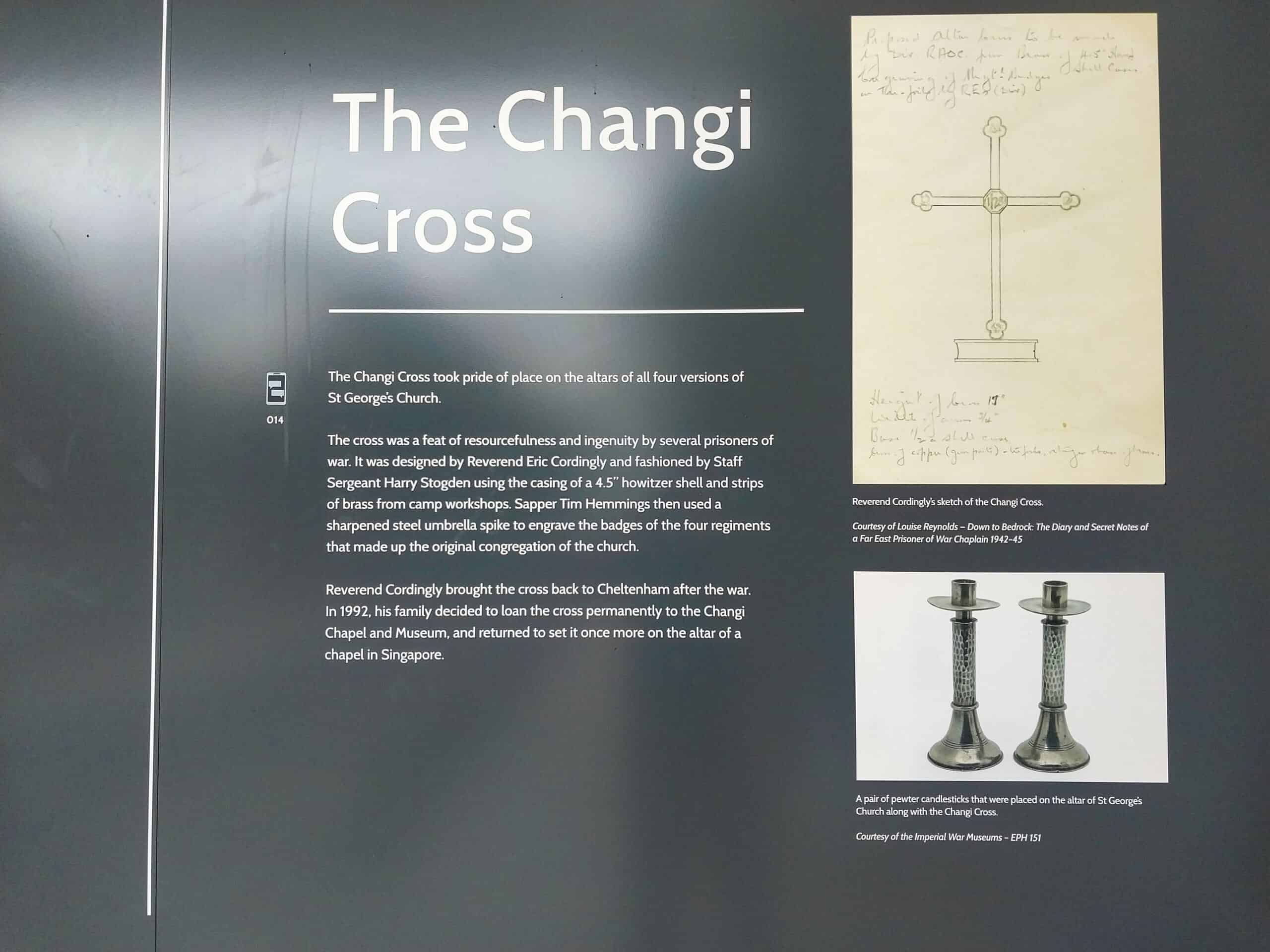
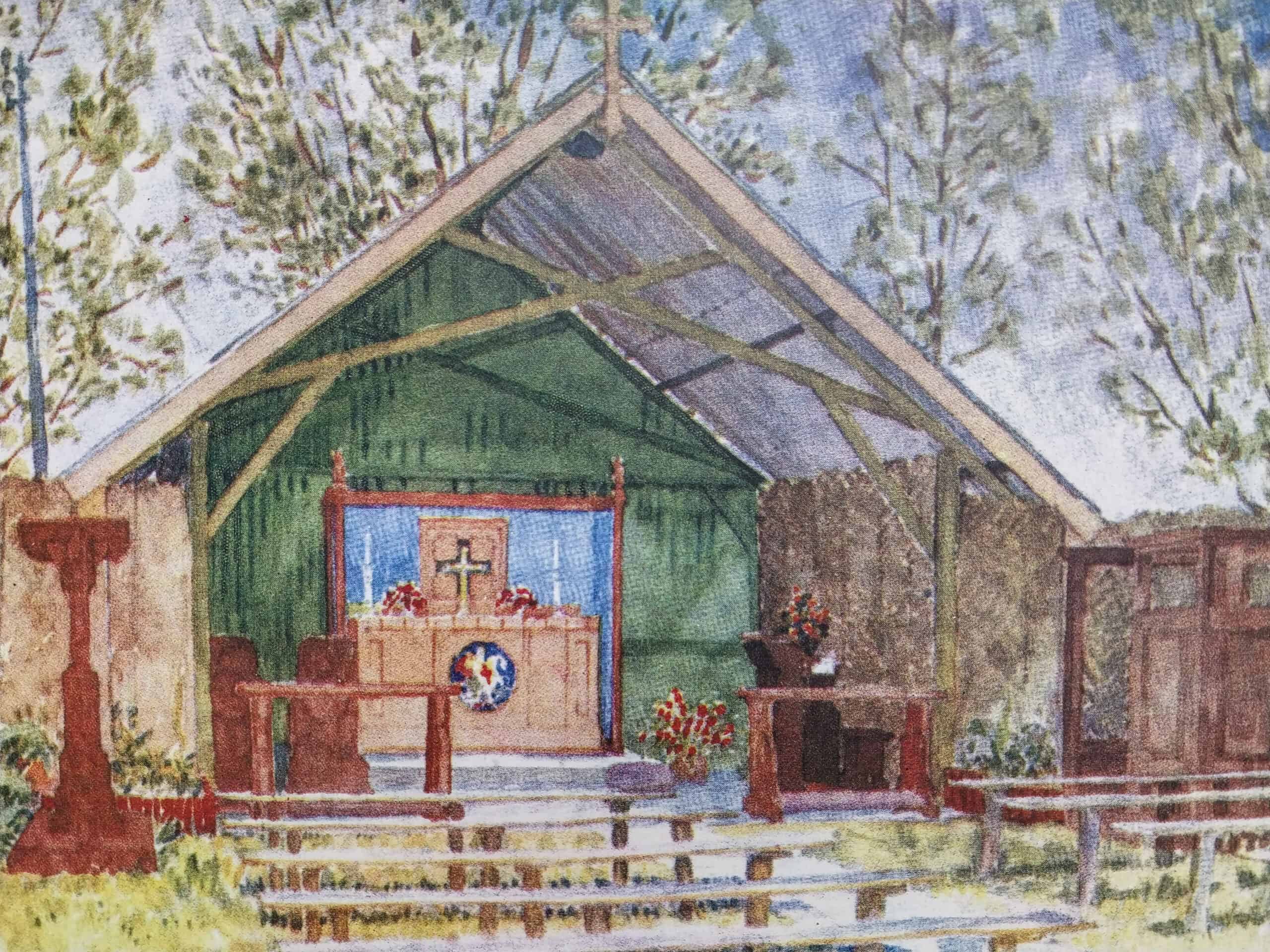
After exploring the exhibits, the museum offers moments to pause and take it all in before you leave. The chapel remains part of the museum and serves as a quiet space for reflection. The original chapel built by prisoners during the war was later relocated to Australia, and the Changi Cross remains a focal object.
Having visited before, the change is noticeable, but the chapel and museum still deserve time and attention. It’s well worth a visit.
Getting there
By MRT and Bus
- Take the East West Line (Green Line) to Tanah Merah MRT Station.
- From Tanah Merah, transfer to bus service 2 (toward Changi Village) or bus service 29.
- Alight at the Changi Chapel and Museum stop (Upper Changi Road North). It’s just a short walk from there.
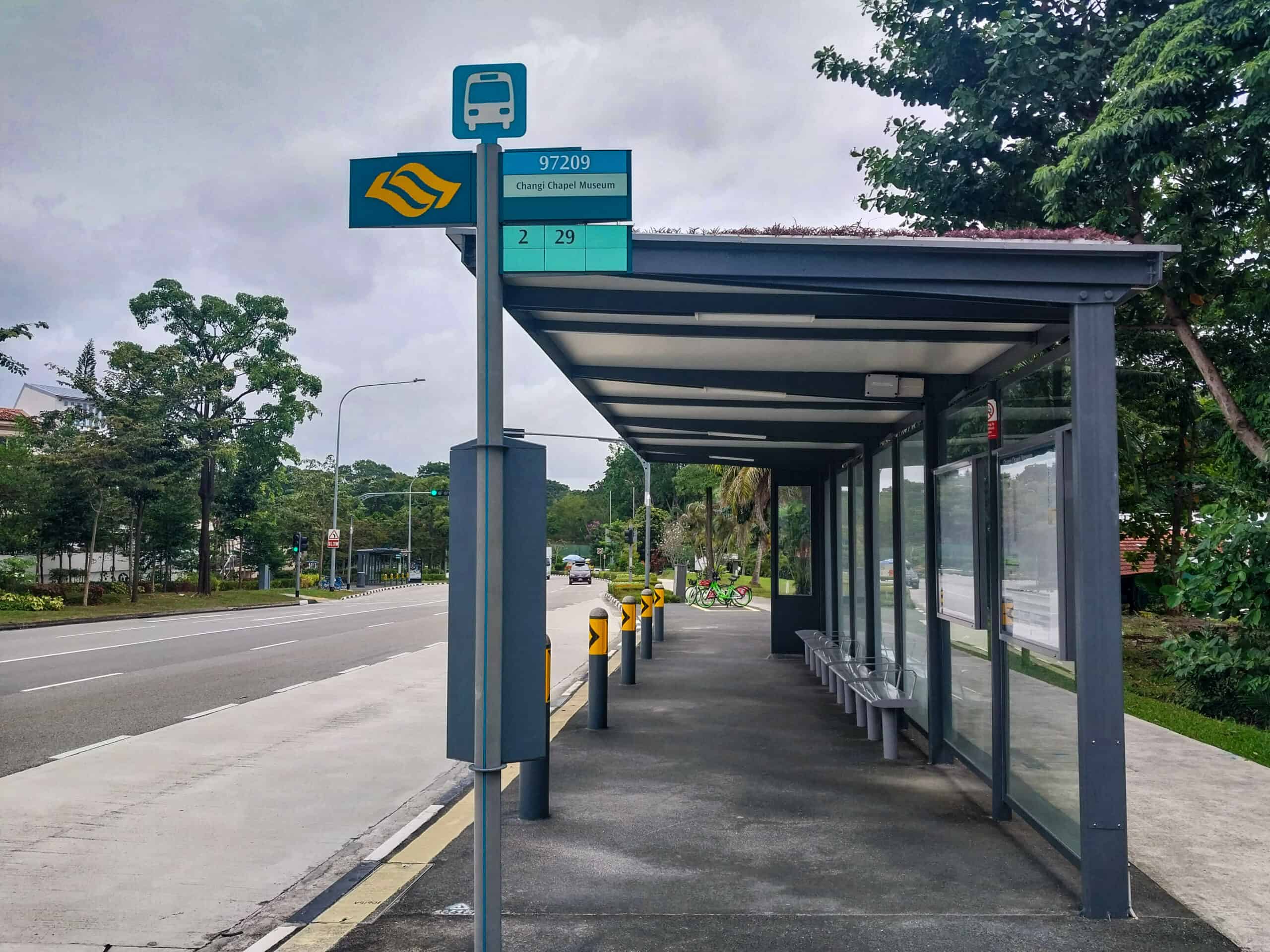
For more interesting things to do in Changi Village:
5 Good Reasons to Visit Changi Village
Changi Chapel and Museum
1000 Upper Changi Road North, Singapore 507707
Opening hours: Tues–Sun, 9:30 am–5:30 pm (last admission 5:00 pm).
Closed Mondays except Public Holidays.
Admission:Free for Singaporeans and PRs; foreign adults SGD 9. Children 6 and below free.
Phone:+65-624 2603
Leave a Reply