
Have you heard of Mulu National Park? Located deep in the rainforest of Sarawak, Malaysia, this UNESCO World Heritage Site is famous for its limestone pinnacles, massive caves, and dense jungle. An environment so remote and natural, it can make even the most cautious of travelers feel like true adventurers. It certainly worked its magic on me!
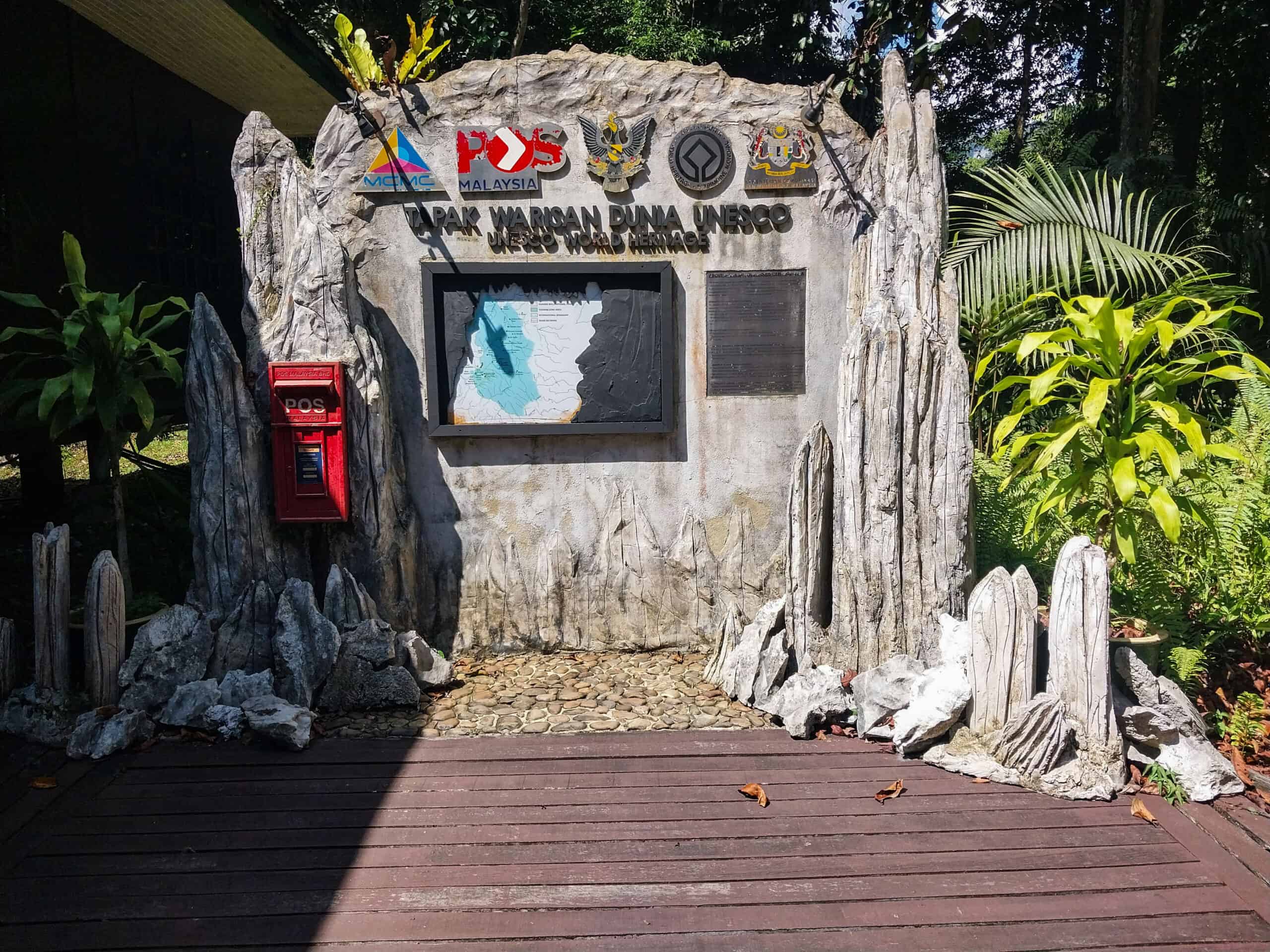
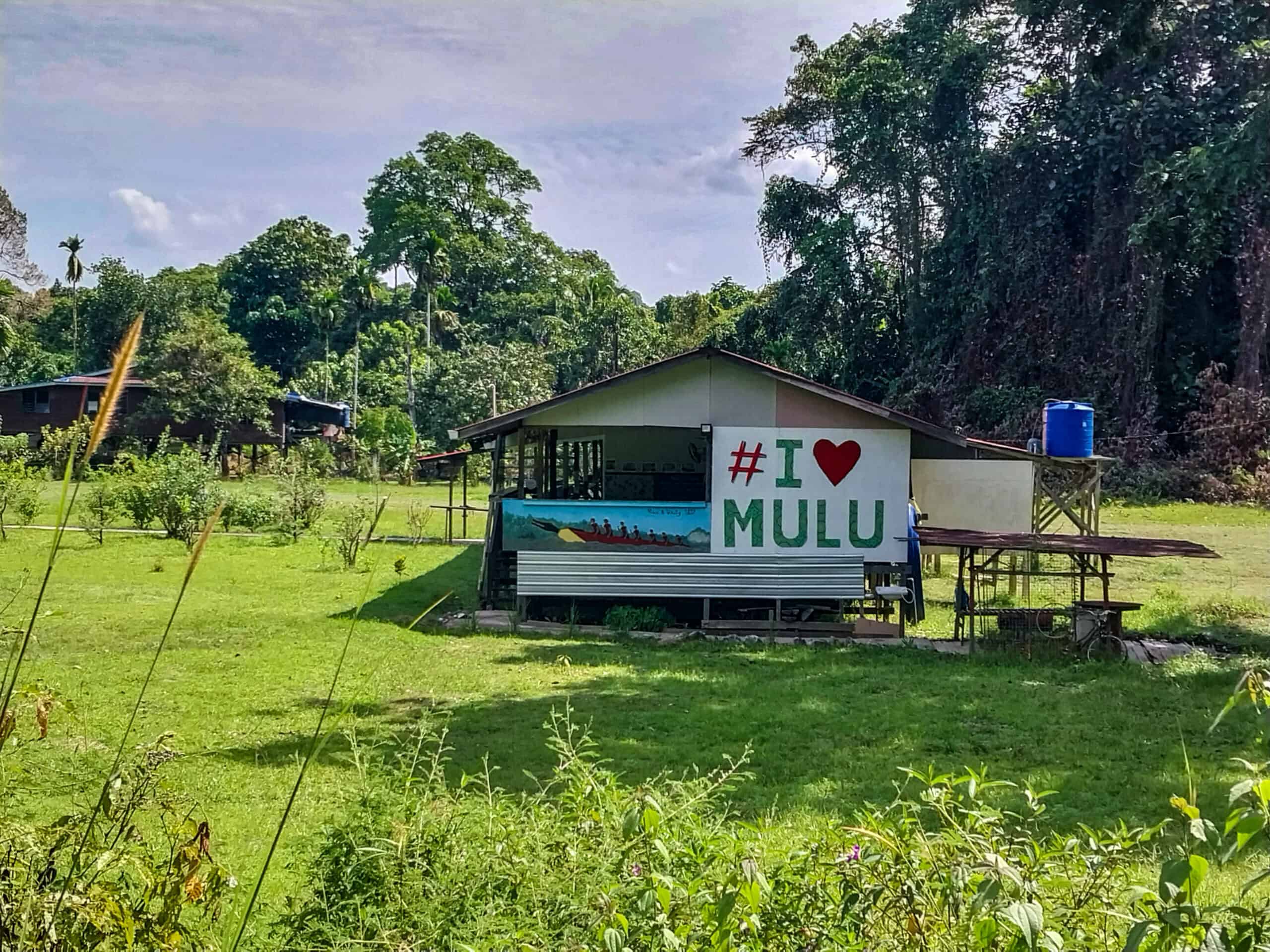
The outlying Mulu World Heritage area has an airport, a few hotels, a small village with a clinic and a primary school. And then, there is the amazing Gunung Mulu National Park which covers about 52,864 hectares (roughly 130,700 acres) of some of the oldest rainforests in the world.
I was invited by Sarawak Tourism Board to experience Mulu National Park and got to see firsthand how visitors can make the most of a short stay. The three-day itinerary below worked pretty well for us, and would be a great starting point for anyone else planning their own visit.
Getting to Gunung Mulu National Park
Mulu is easiest to reach by air since there are no direct roads leading into the park. MASwings, a subsidiary of Malaysia Airlines, operates regular flights to Mulu Airport (MZV) from Miri, Kuching, and Kota Kinabalu.
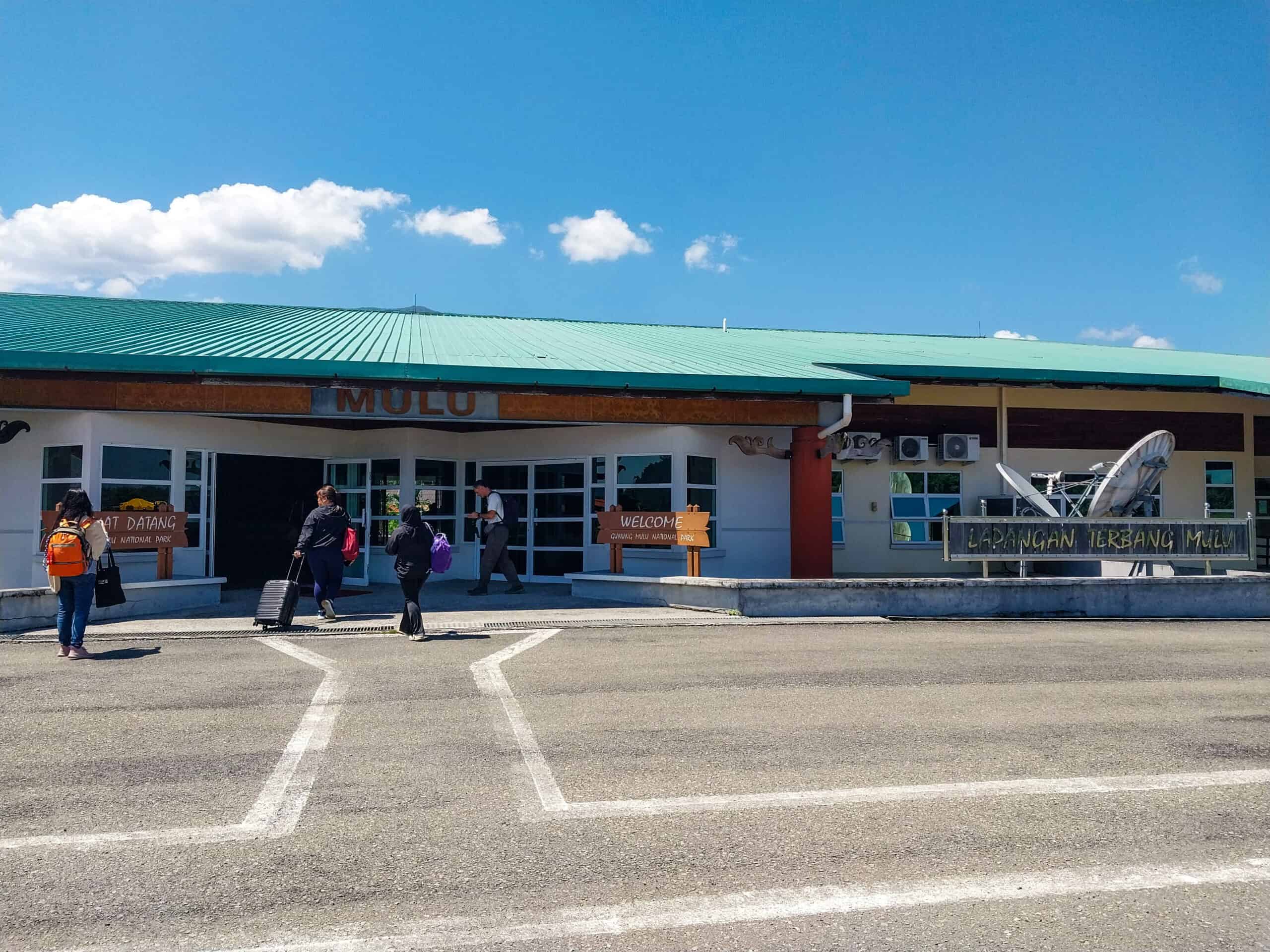
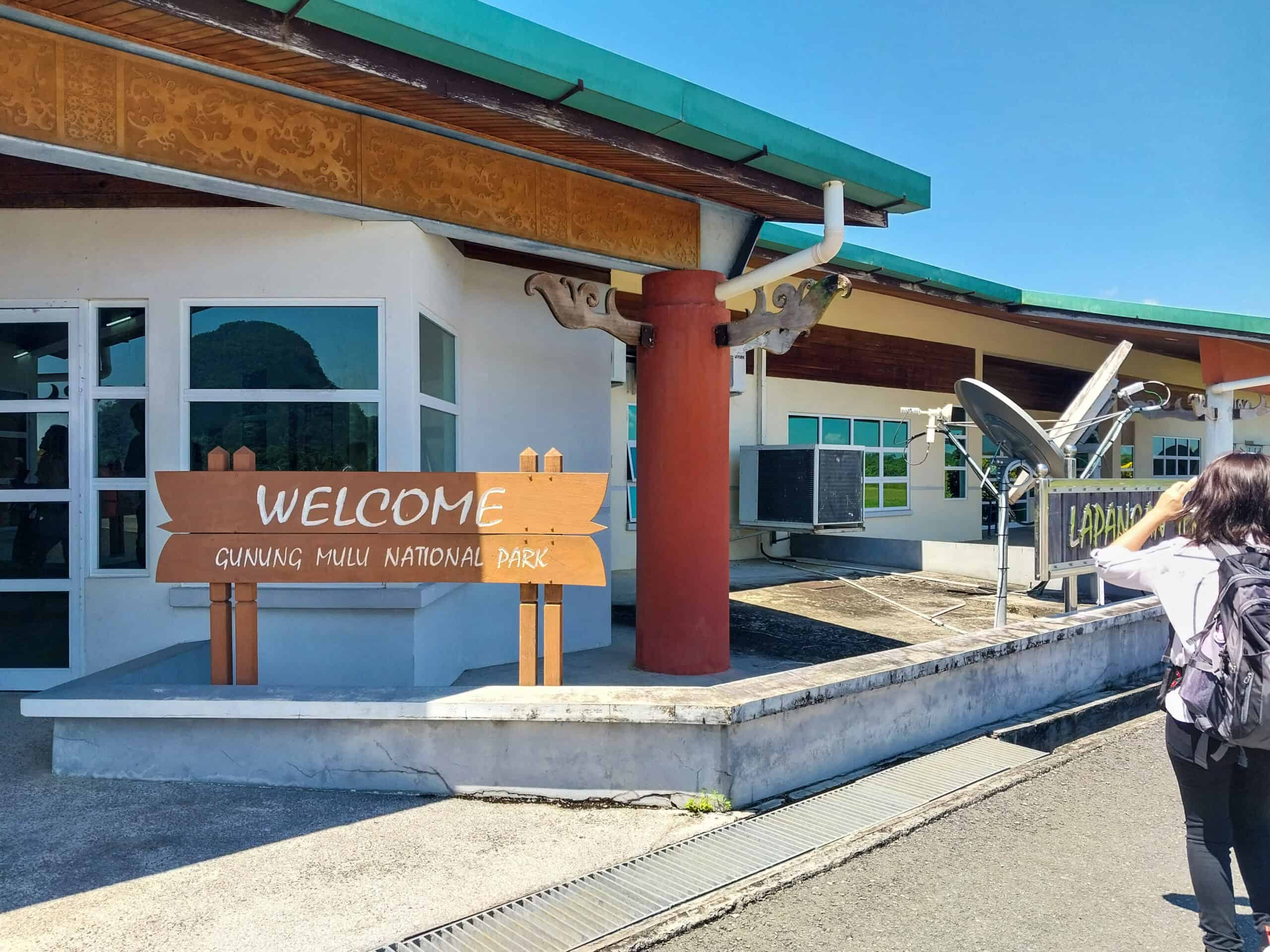
The flight from Miri takes about 30 minutes, while flights from Kuching or Kota Kinabalu are just over an hour. Mulu Airport is about ten minutes from the Mulu National Park headquarters and roughly twenty minutes from Mulu Marriott Resort & Spa, which also provides airport transfers for guests.
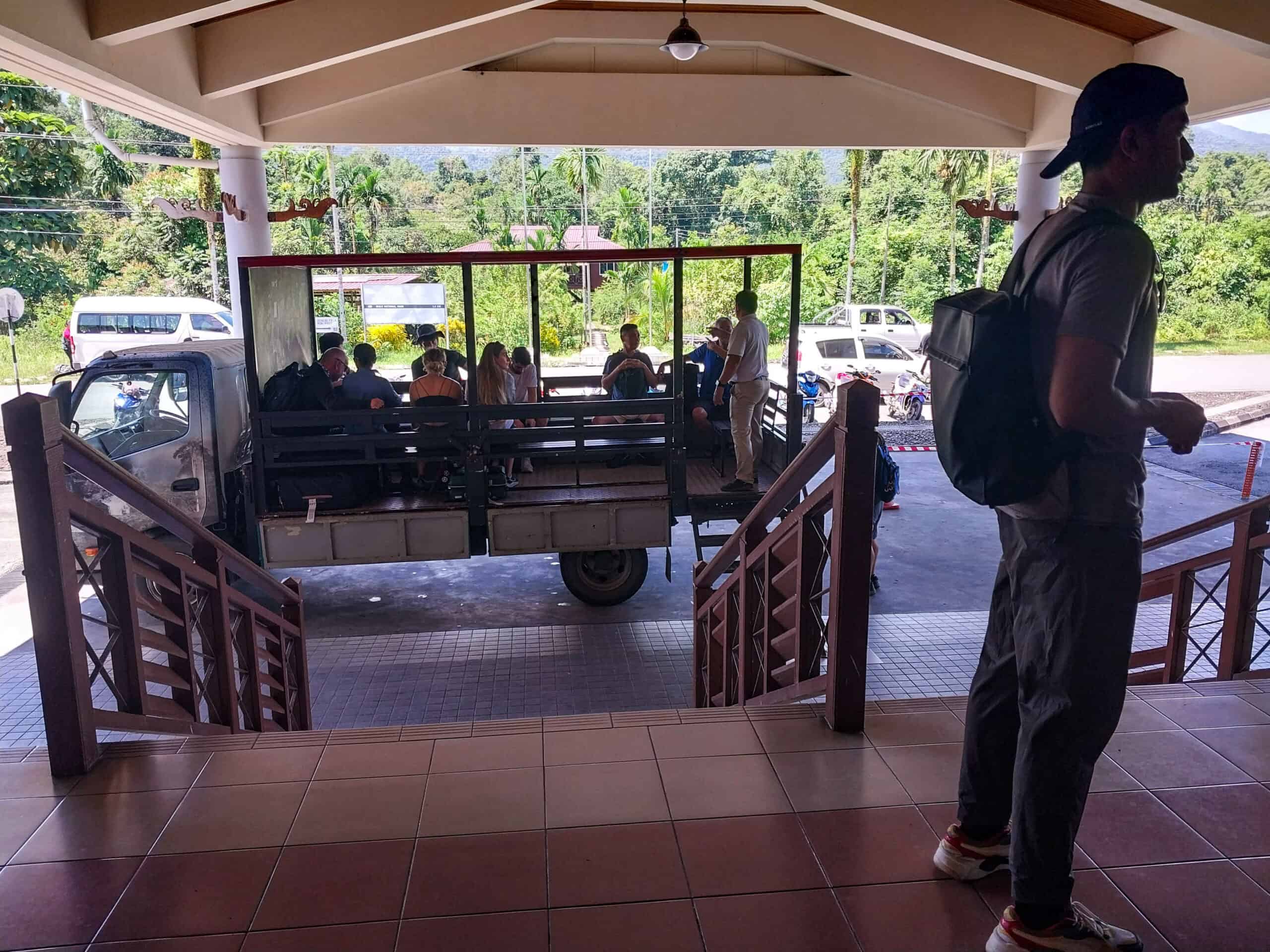
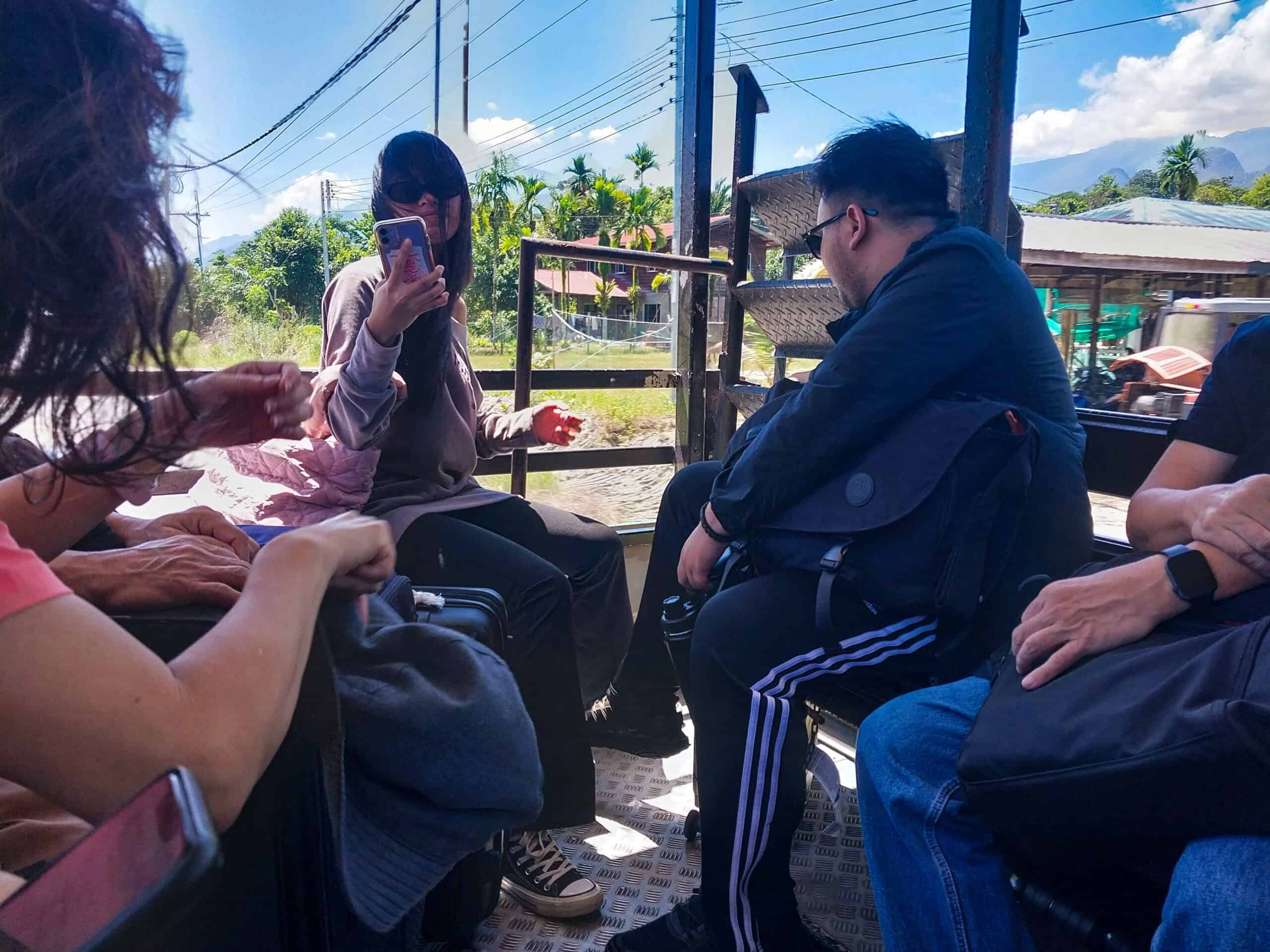
Flying in offers visitors a bird’s-eye view of the vast tropical river systems winding their way toward the South China Sea. As you descend, you’ll catch your first glimpse of the Melinau Formation, which formed from the seafloor around five million years ago. This formation now contains some of the world’s largest and most famous caves.
This is how our trip to Gunung Mulu National Park went:
Day 1: Arrival to Mulu and Visiting the Show Caves
Deer Cave, Langs Cave, and the Bat Exodus
After the quick flight from Miri, my group was whisked off to the Mulu Marriott Resort, where we had an easy check-in, a fabulous lunch, and were ready for our first adventure in the blink of an eye.
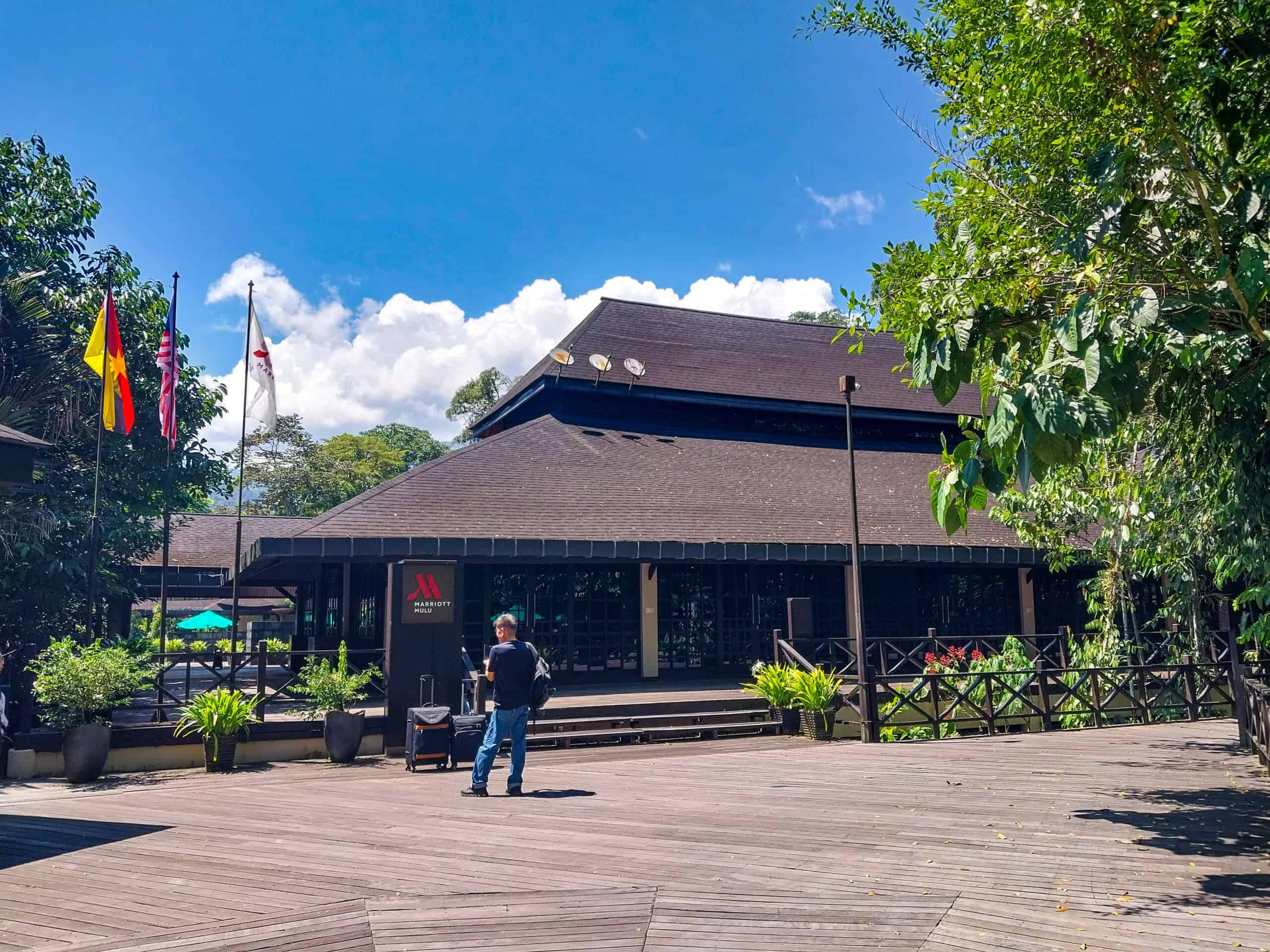
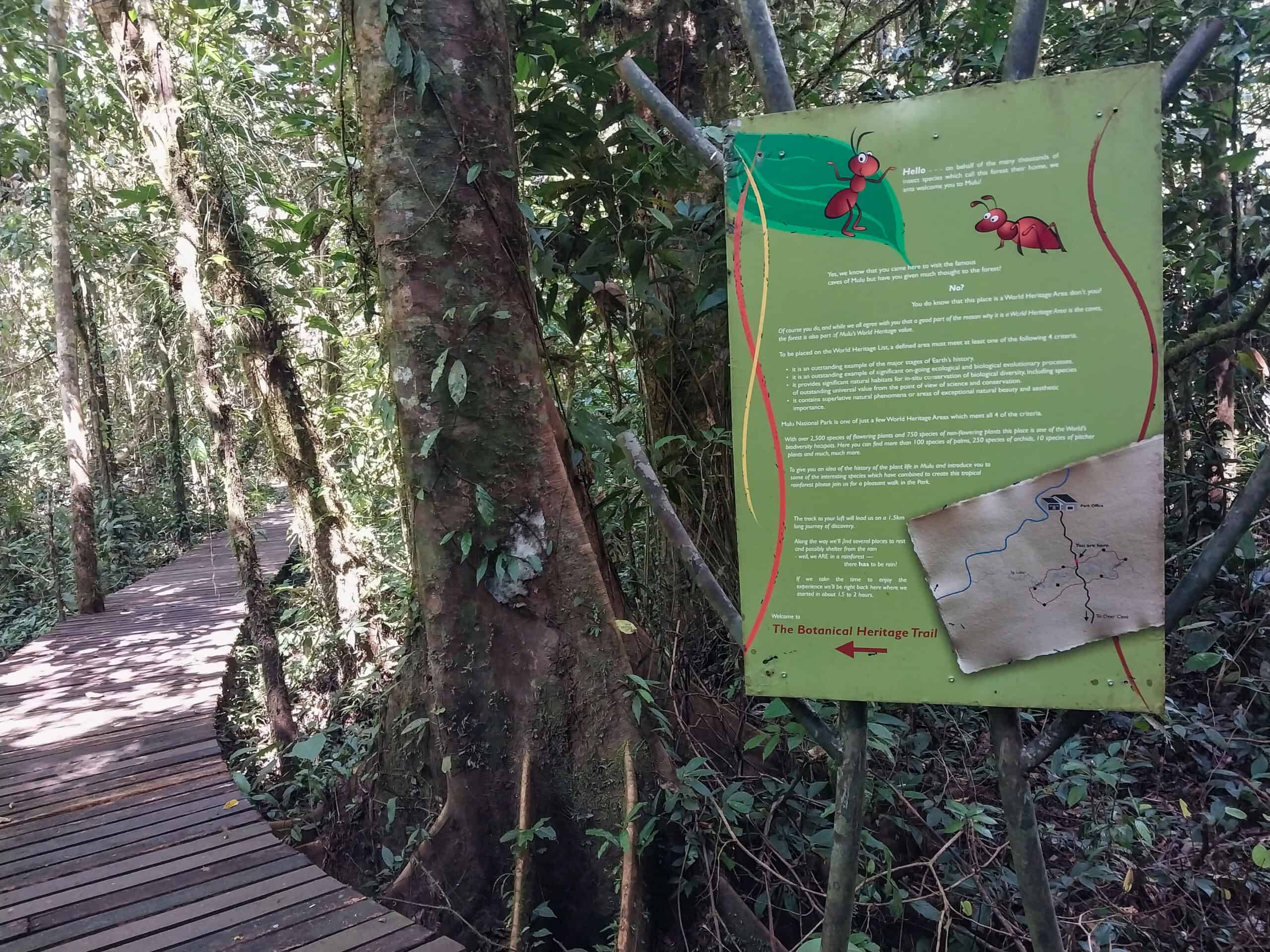
Once lunch was finished, we headed out to Deer Cave and Langs Cave, two of Mulu’s most impressive natural wonders. Both are reached via a three-kilometer walkway that winds through the lush rainforest.
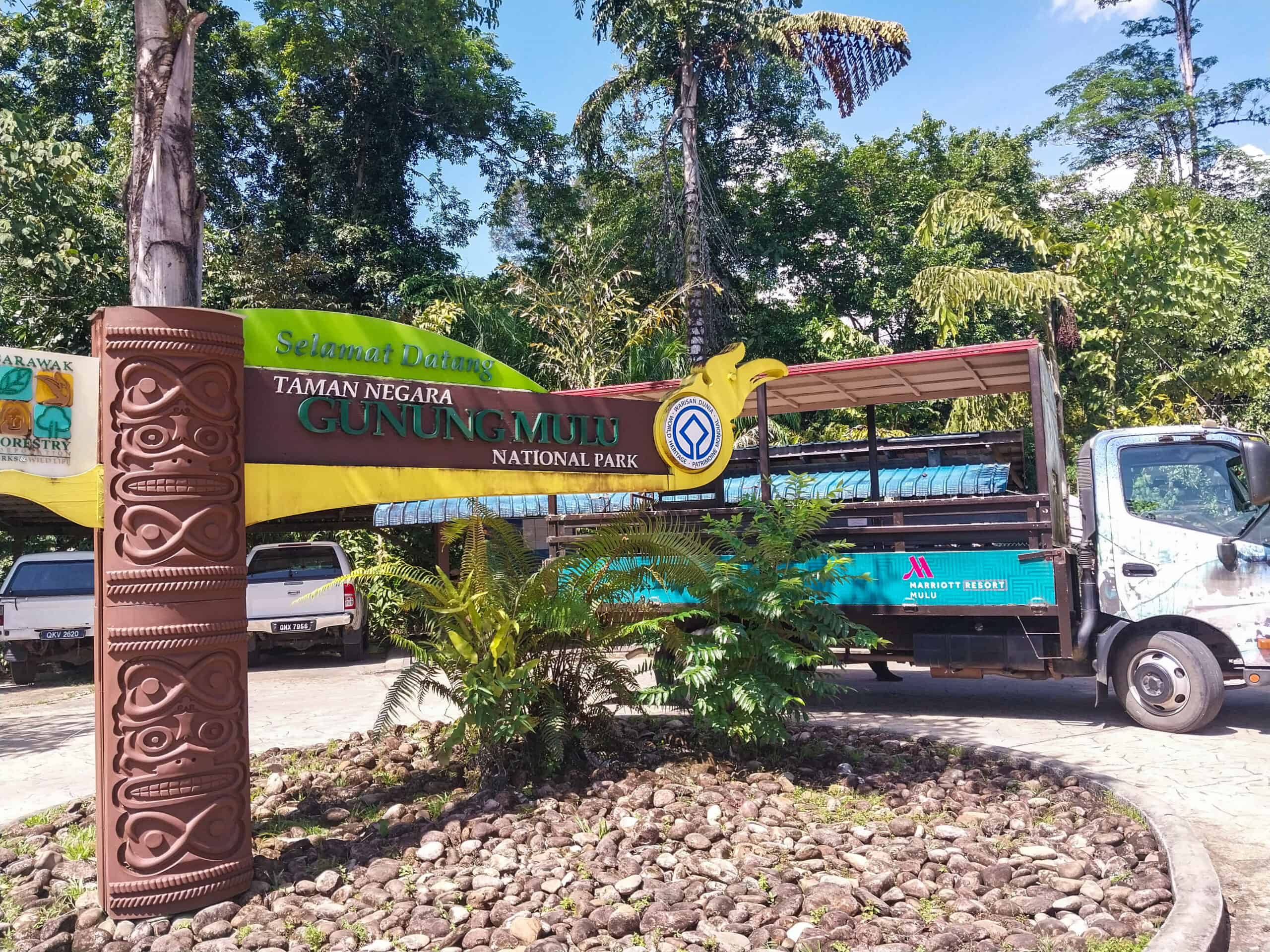
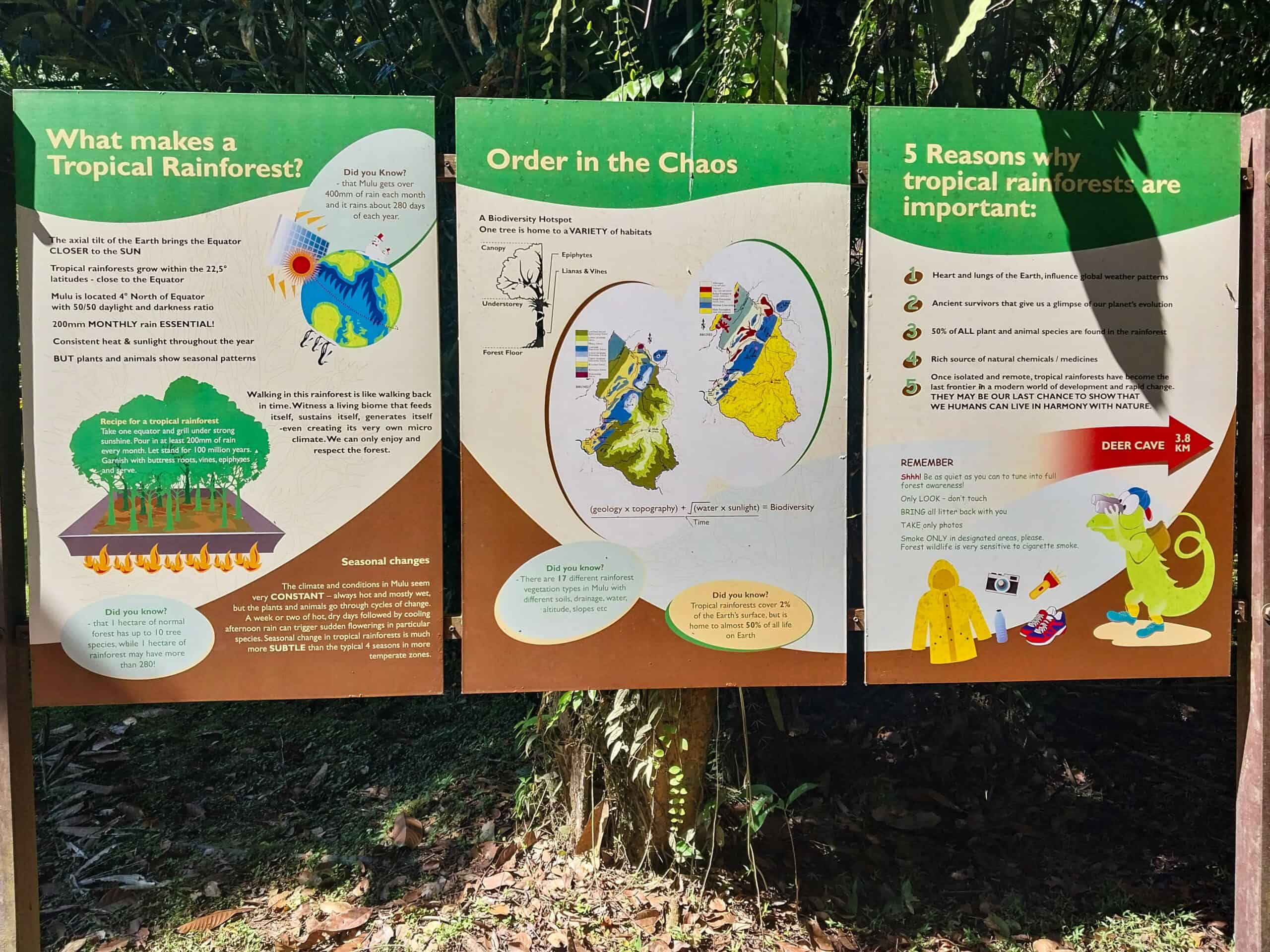
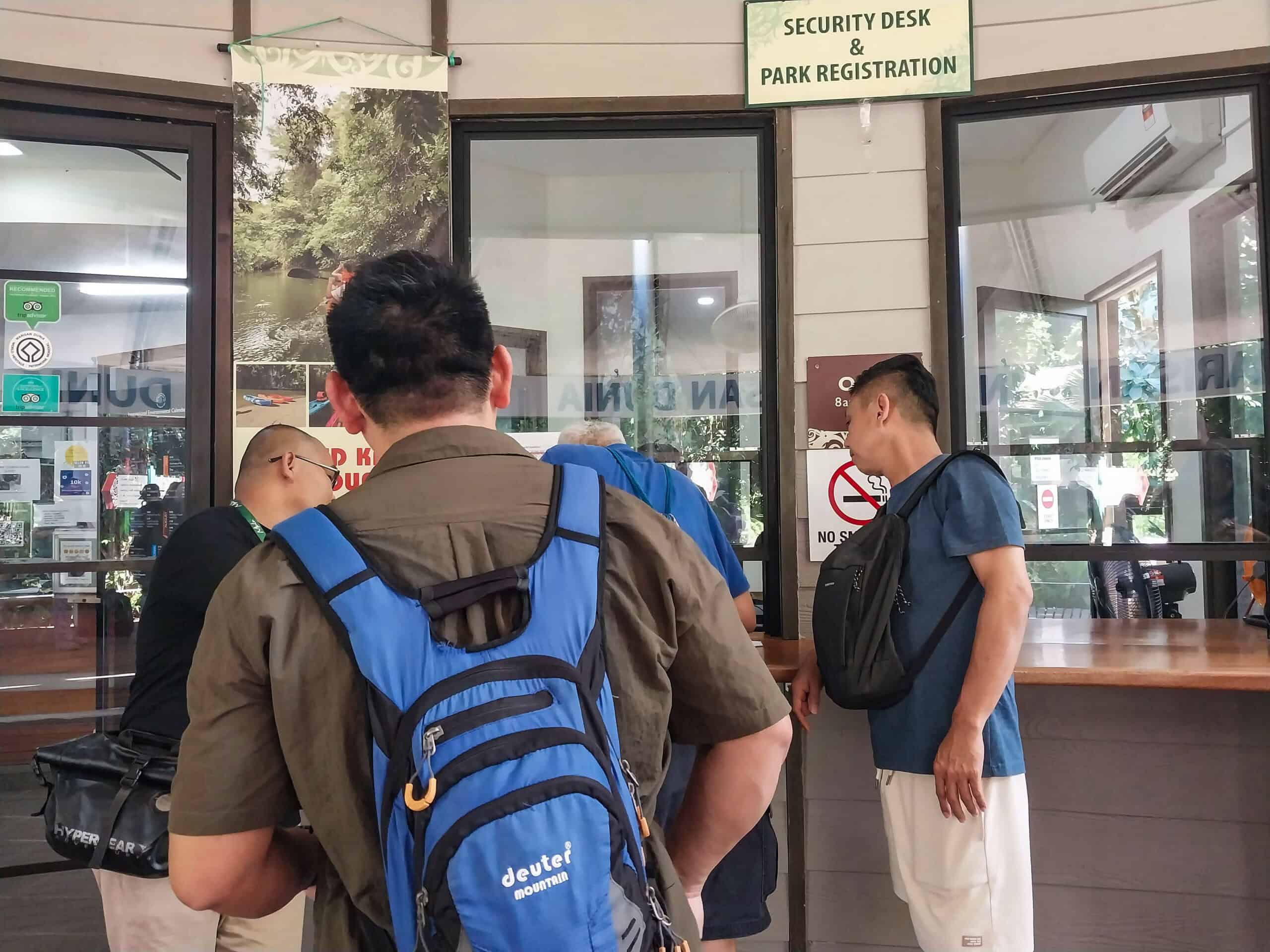
Registering at the National Park Headquarters is mandatory before visitors are allowed in. This process takes about 15 minutes, depending on the crowds.
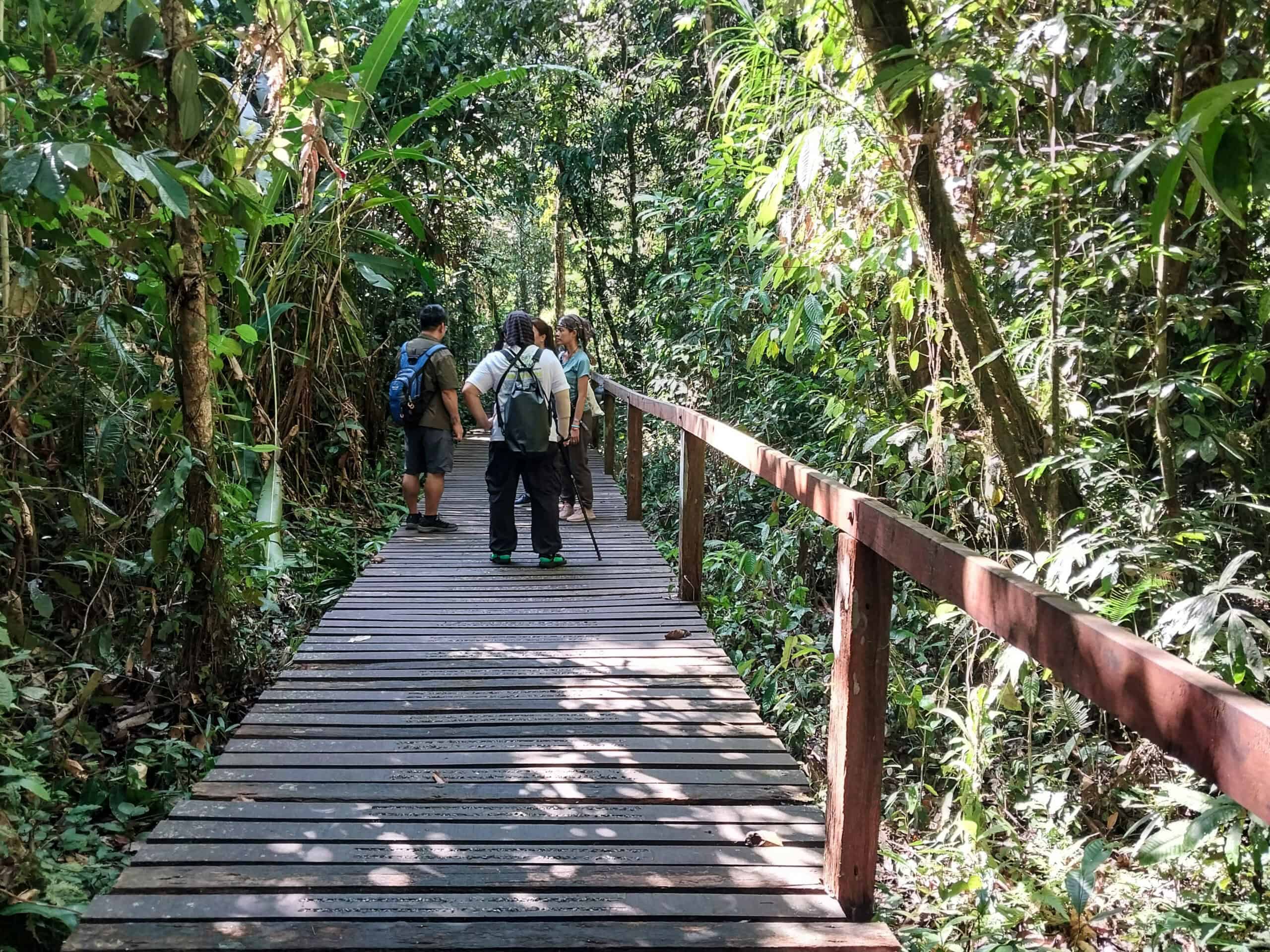
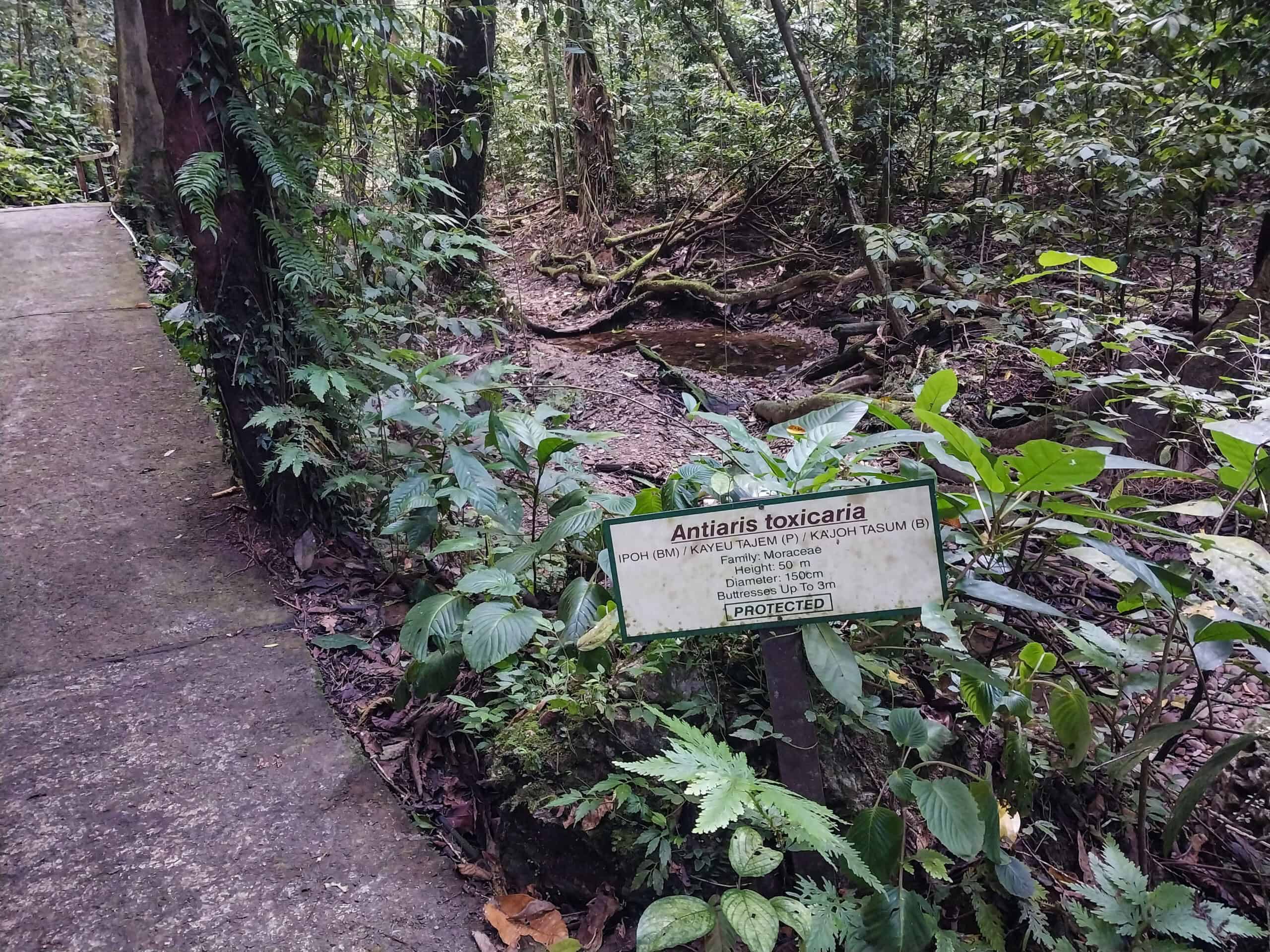
Following the briefing from our local guide, we started the three-kilometer trek to the show caves. Along the way, we spotted lots of flora and fauna worth asking about, so there were frequent brief stops (and photo ops) along the route.
Visiting the Mulu Show Caves
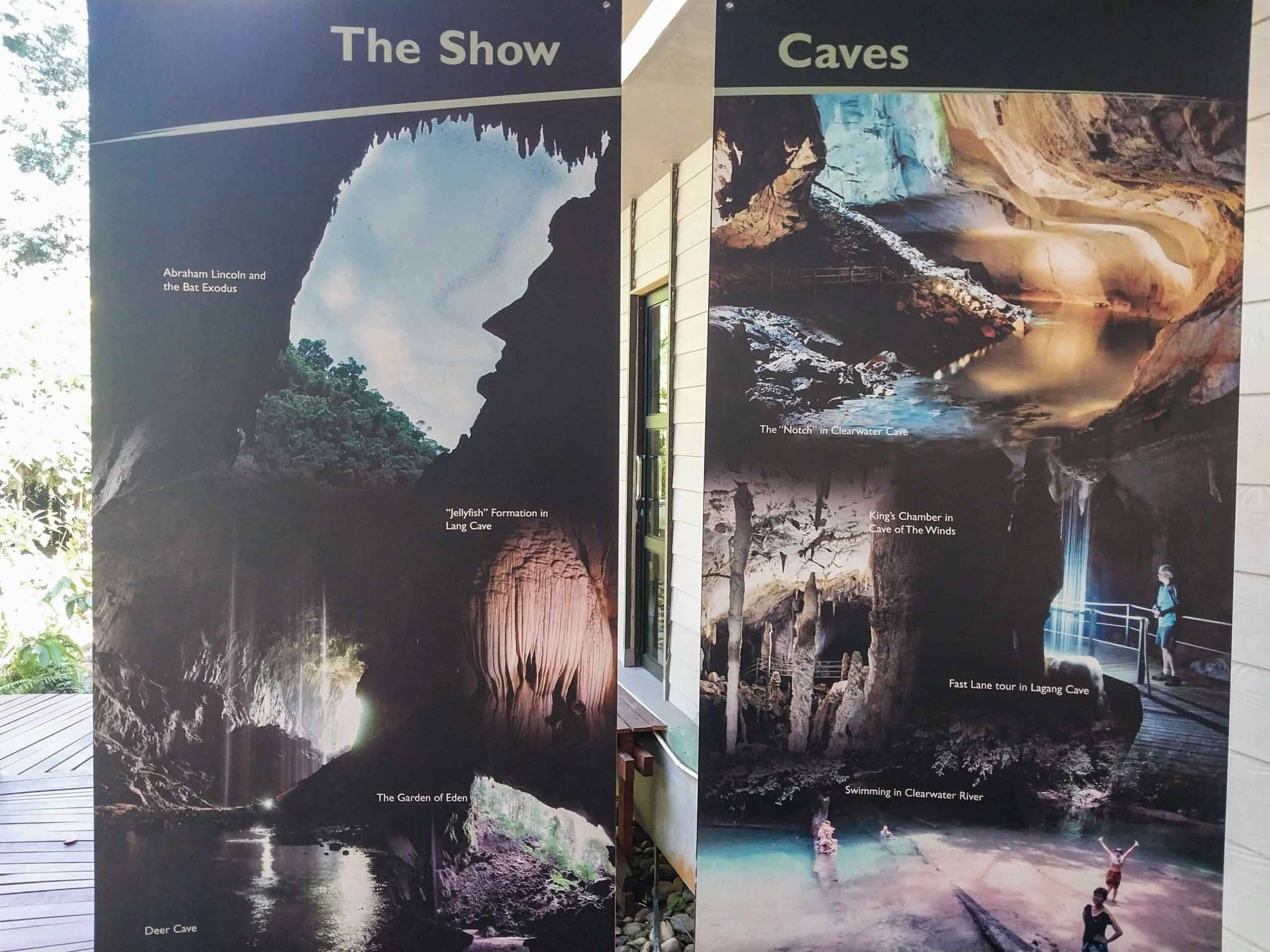
Deer Cave, one of the largest cave passages in the world, stretches over two kilometers with ceilings more than 120 meters high. Inside, look for the rock formation that resembles Abraham Lincoln’s profile and the Garden of Eden, a sunlit sinkhole that opens to the sky. Within its massive interior, Deer Cave is home to one of the largest cave-dwelling bat colonies in the world. Population estimates often reach into the millions.
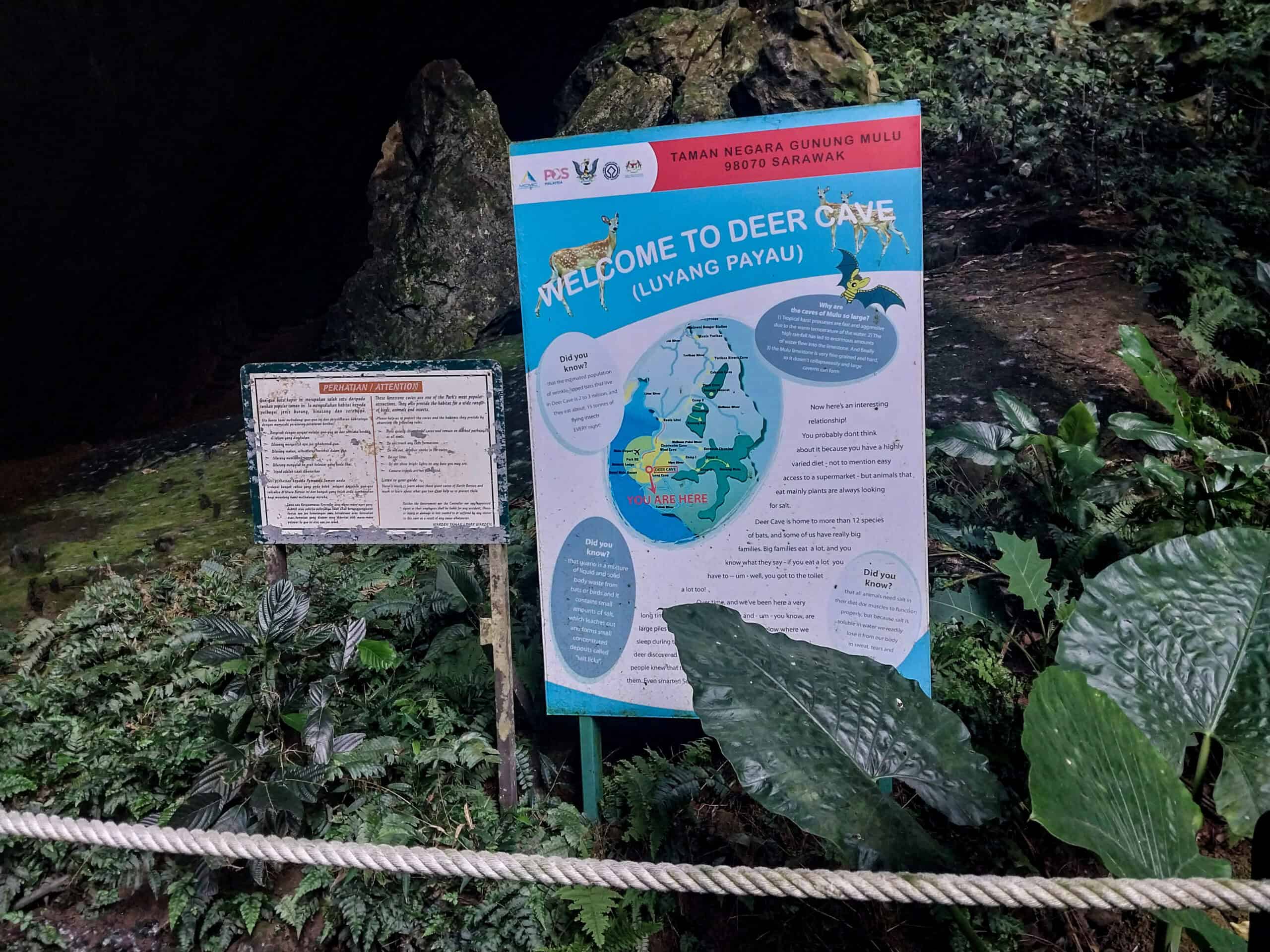
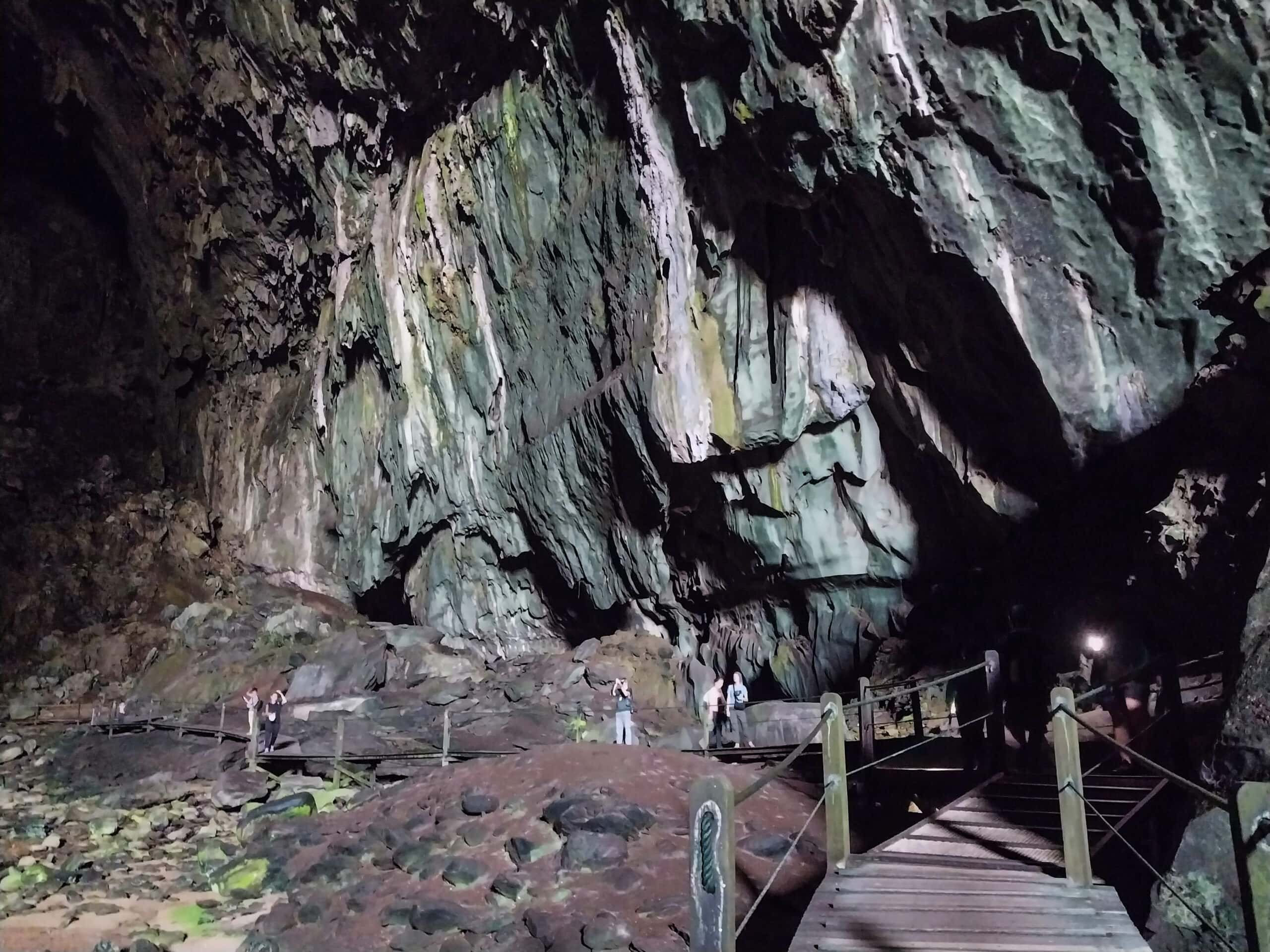
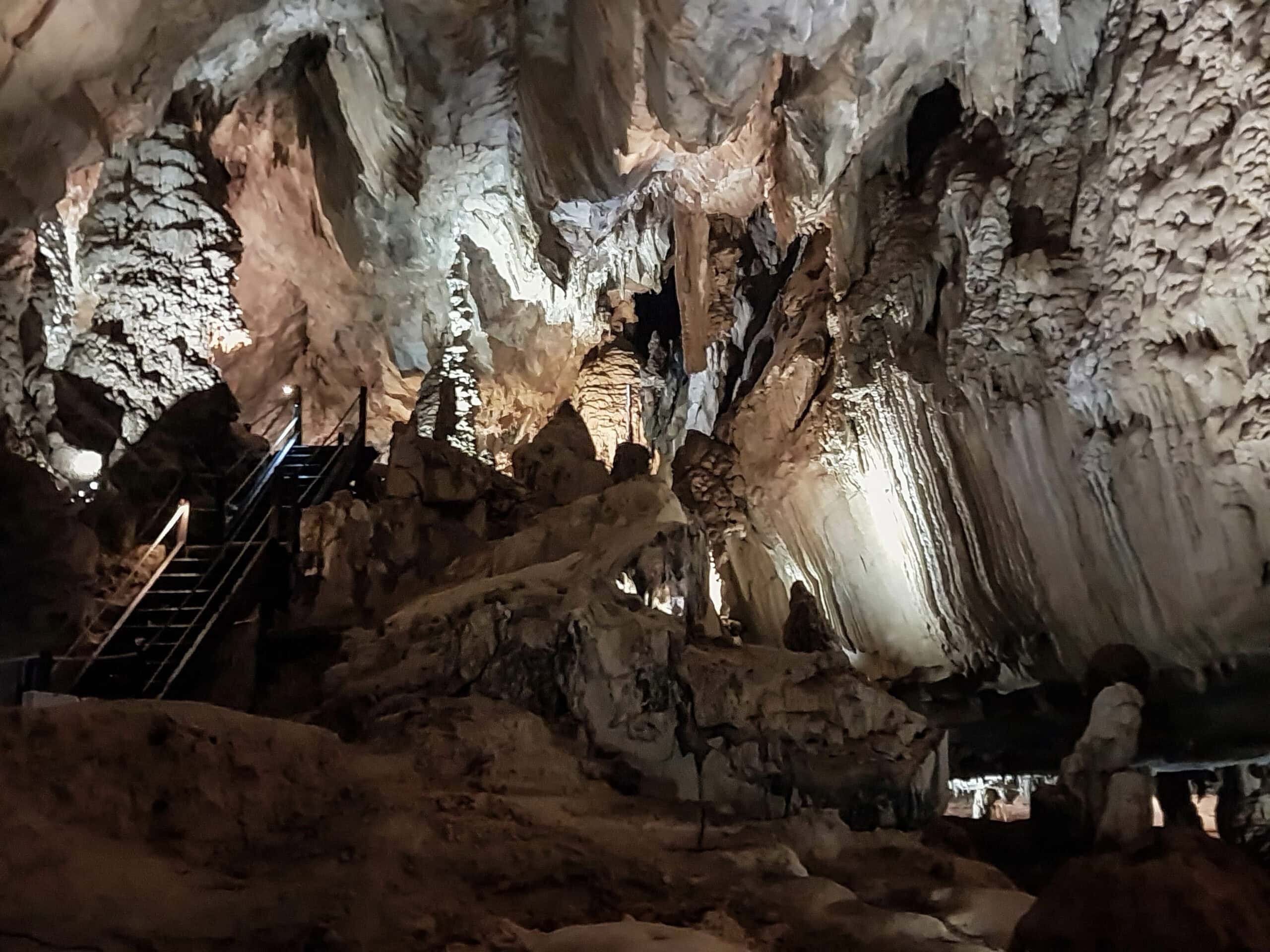
Langs Cave is known for its densely packed stalactites and stalagmites, along with well-formed flowstone curtains and limestone columns. A large colony of wrinkle-lipped bats roost at low heights, making them easy to see as you explore the cave. Although much smaller than Deer Cave, Langs Cave feels more intricate and detailed because it’s packed with formations.
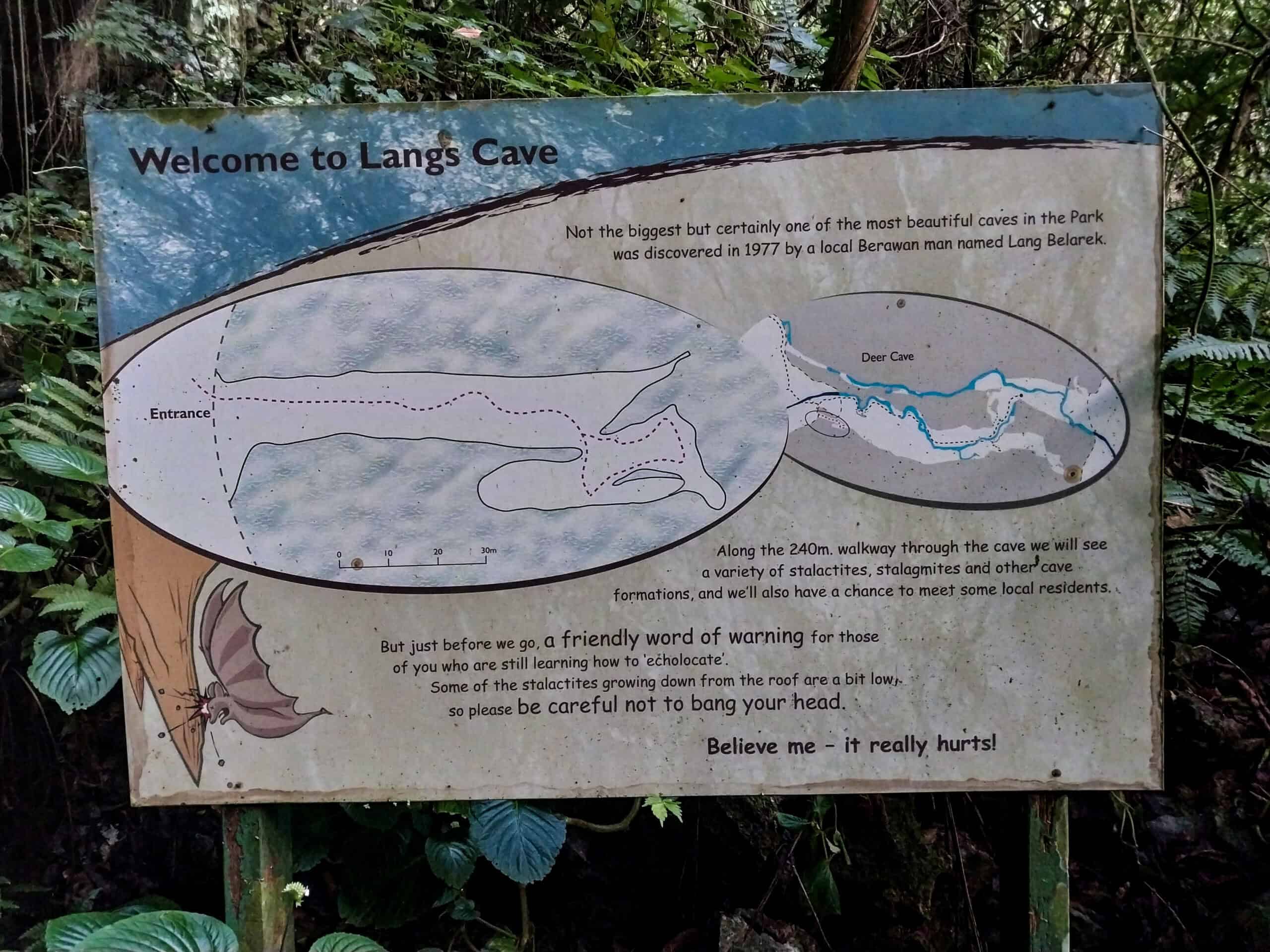
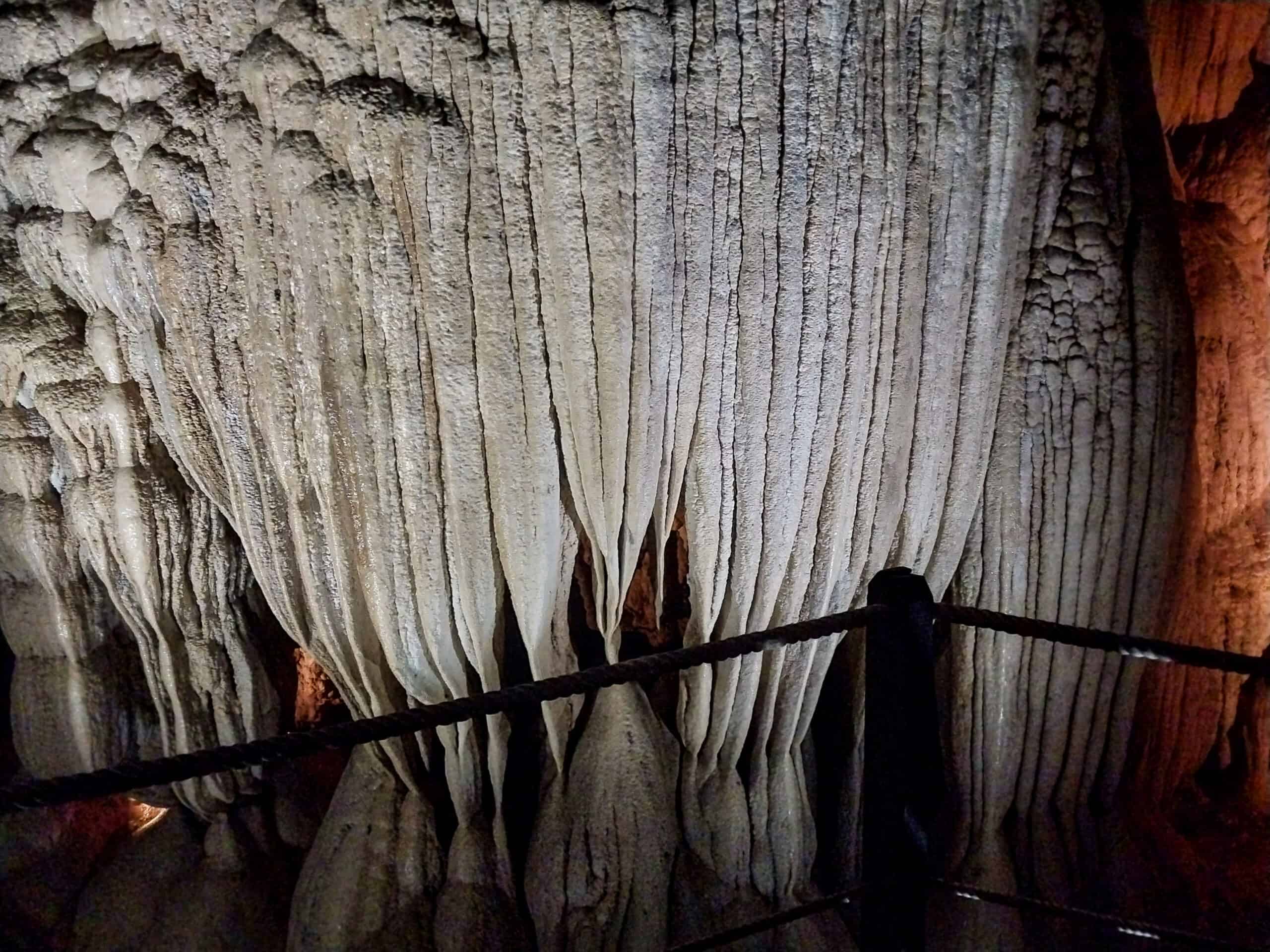
The caves are fascinating, yet be prepared for the heavy aroma of bat dung and darkness. Once you have acclimated to this part of the Mulu cave experience, the rest of the adventure will be a piece of cake.
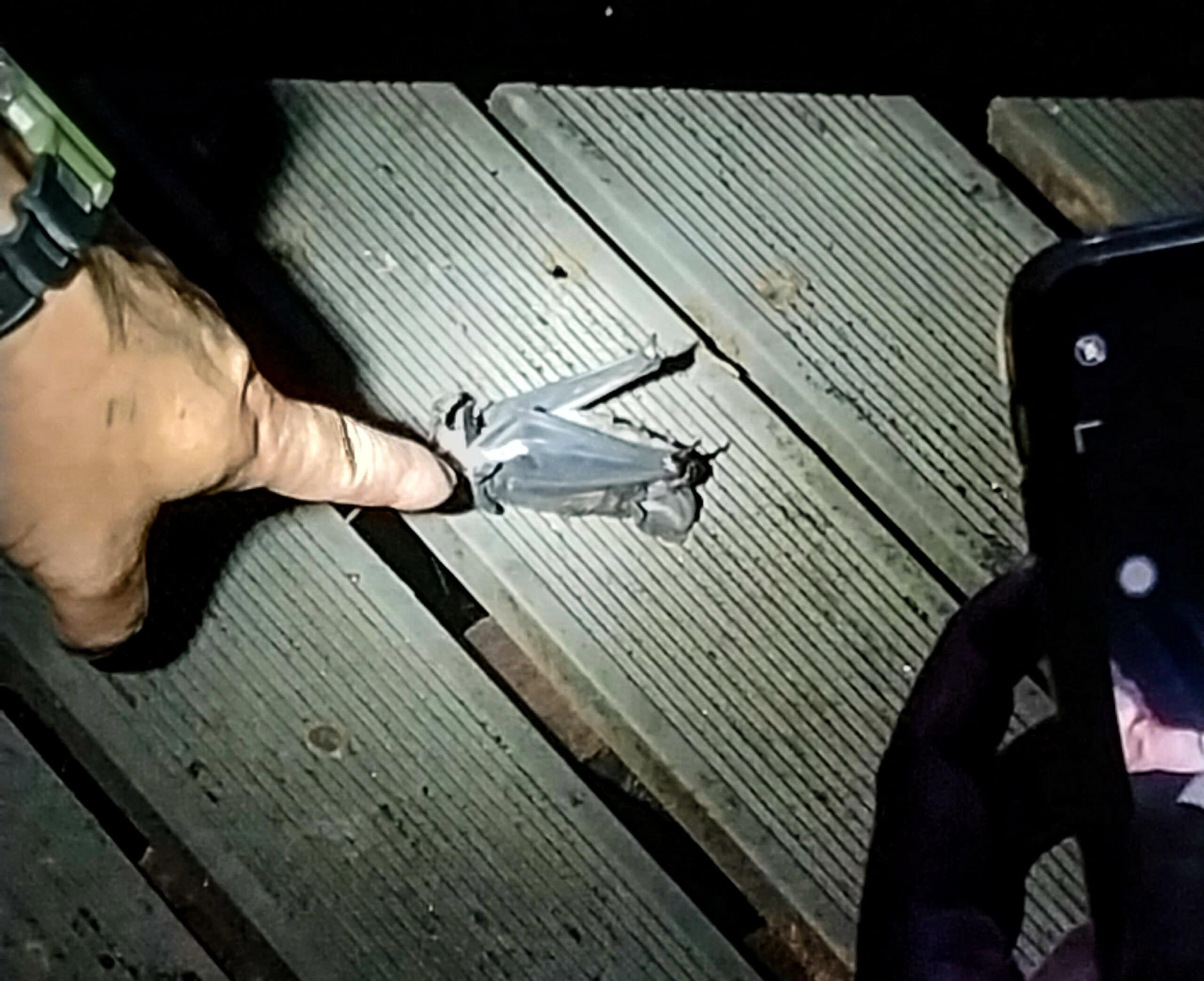
Mulu’s Amazing Bat Exodus
Our cave exploration wrapped up just in time to catch the early evening Bat Exodus, when millions of bats swirl from the Deer Cave mouth into the sunset sky. Raptors often circle overhead waiting to hunt, and the bats’ ribbon-like flight patterns twist and turn as a defensive strategy against predators. It is an incredible natural performance and a must-see in Mulu.
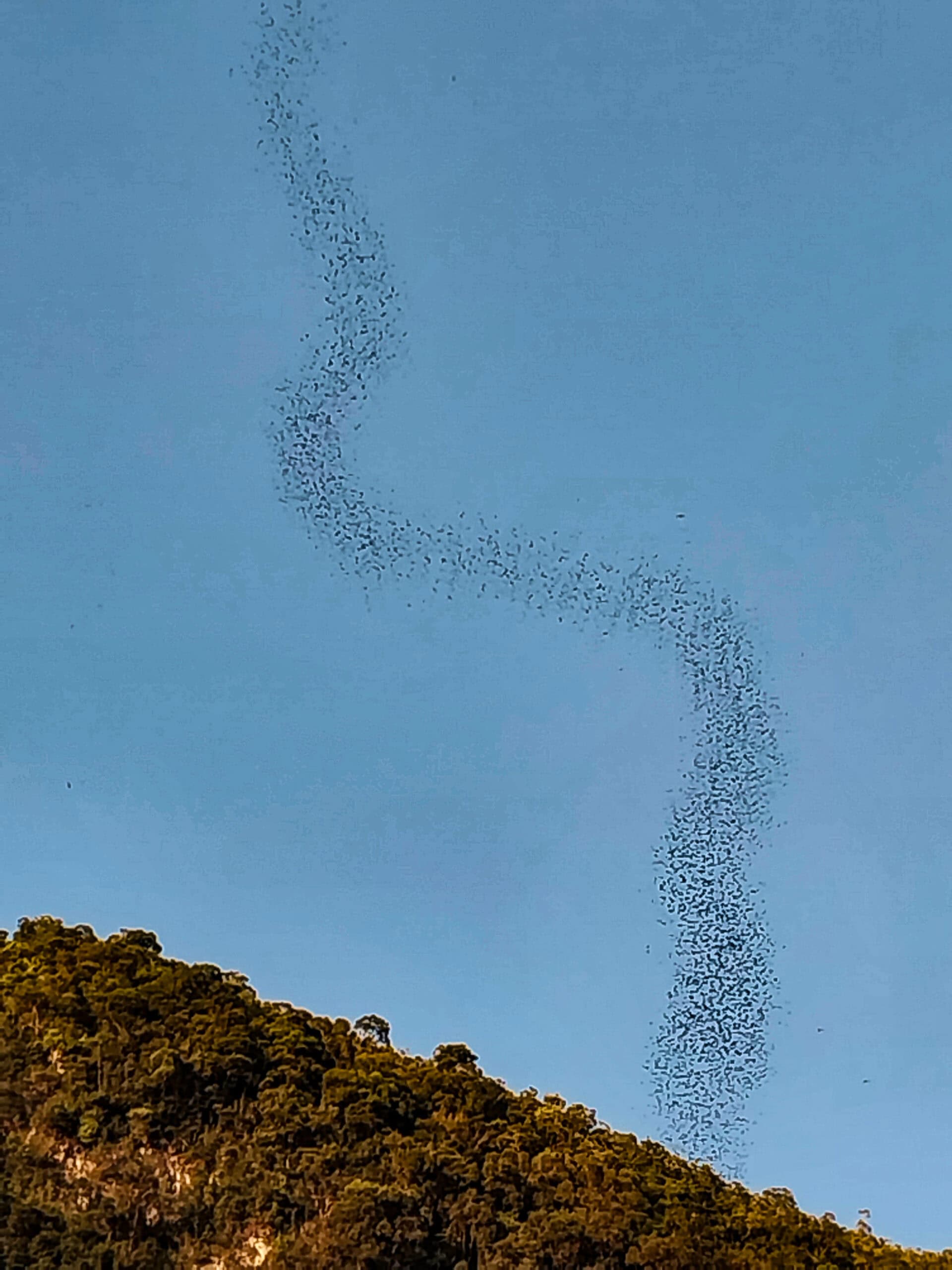
The area is a quiet zone, so if you happen to be a talker (like myself), try to keep your volume down. Do note that the exodus doesn’t necessarily happen every evening; heavy rain, storms, or hunting birds can cause disruptions in the routine.
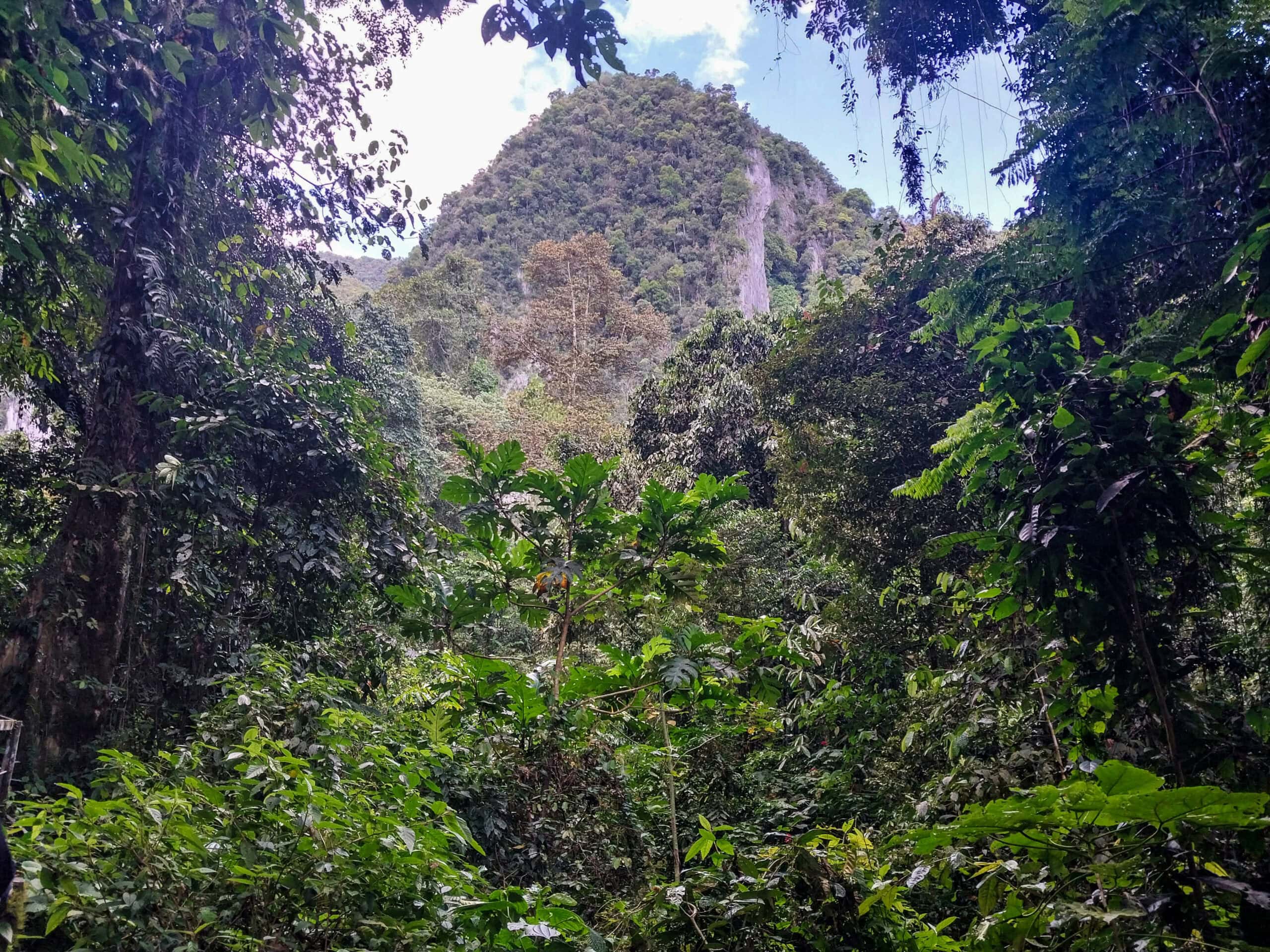
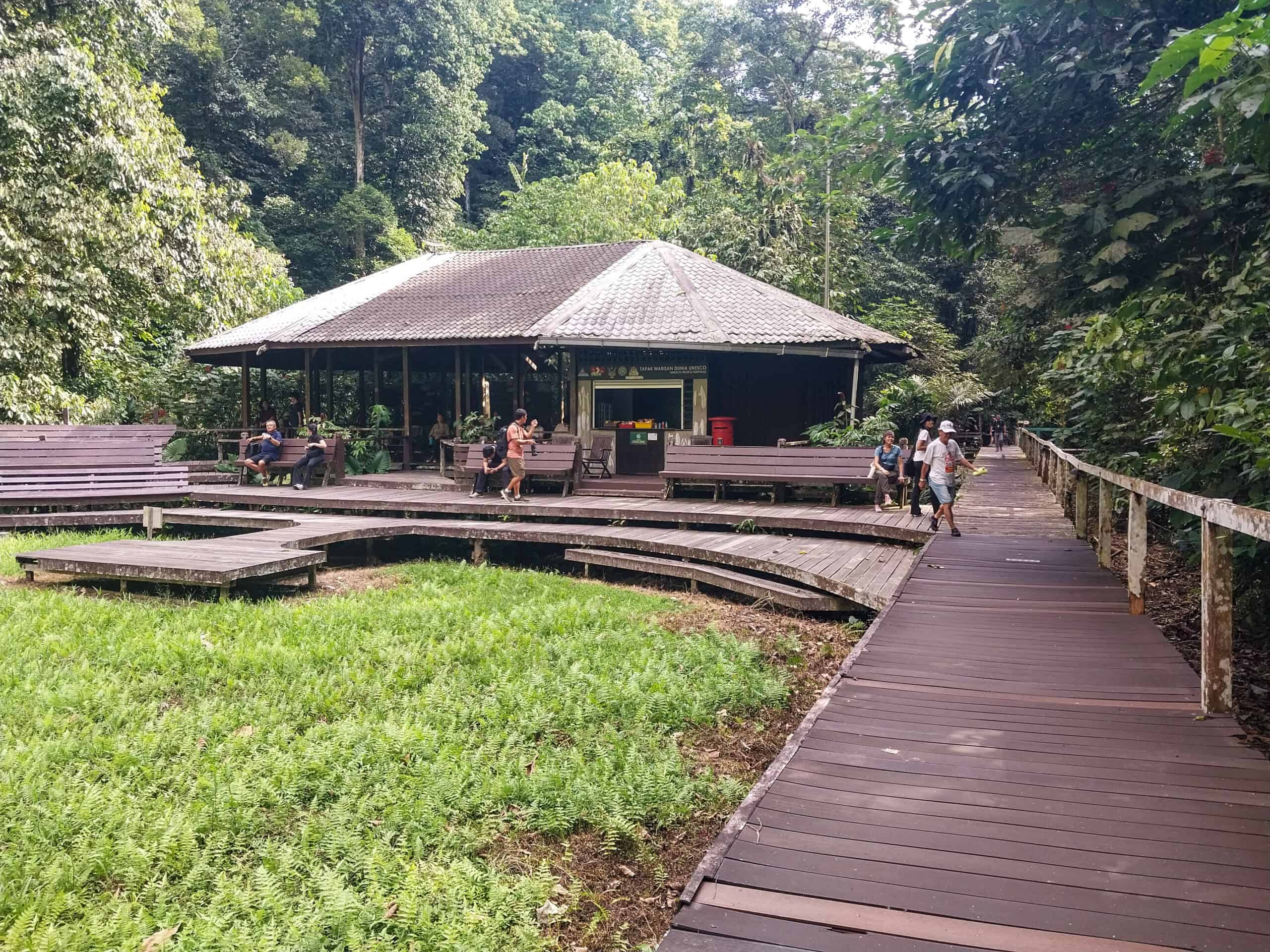
After witnessing the jaw-dropping bat phenomenon, it was time to trek back to Mulu Marriott Resort for dinner and a quiet evening surrounded by the relaxing sounds of nature.
Day 2: Rivers, Caves, and Culture of Mulu
Melinau River, Batu Bungan Penan Settlement, Cave of the Winds, and Clearwater Cave and Recreational Park
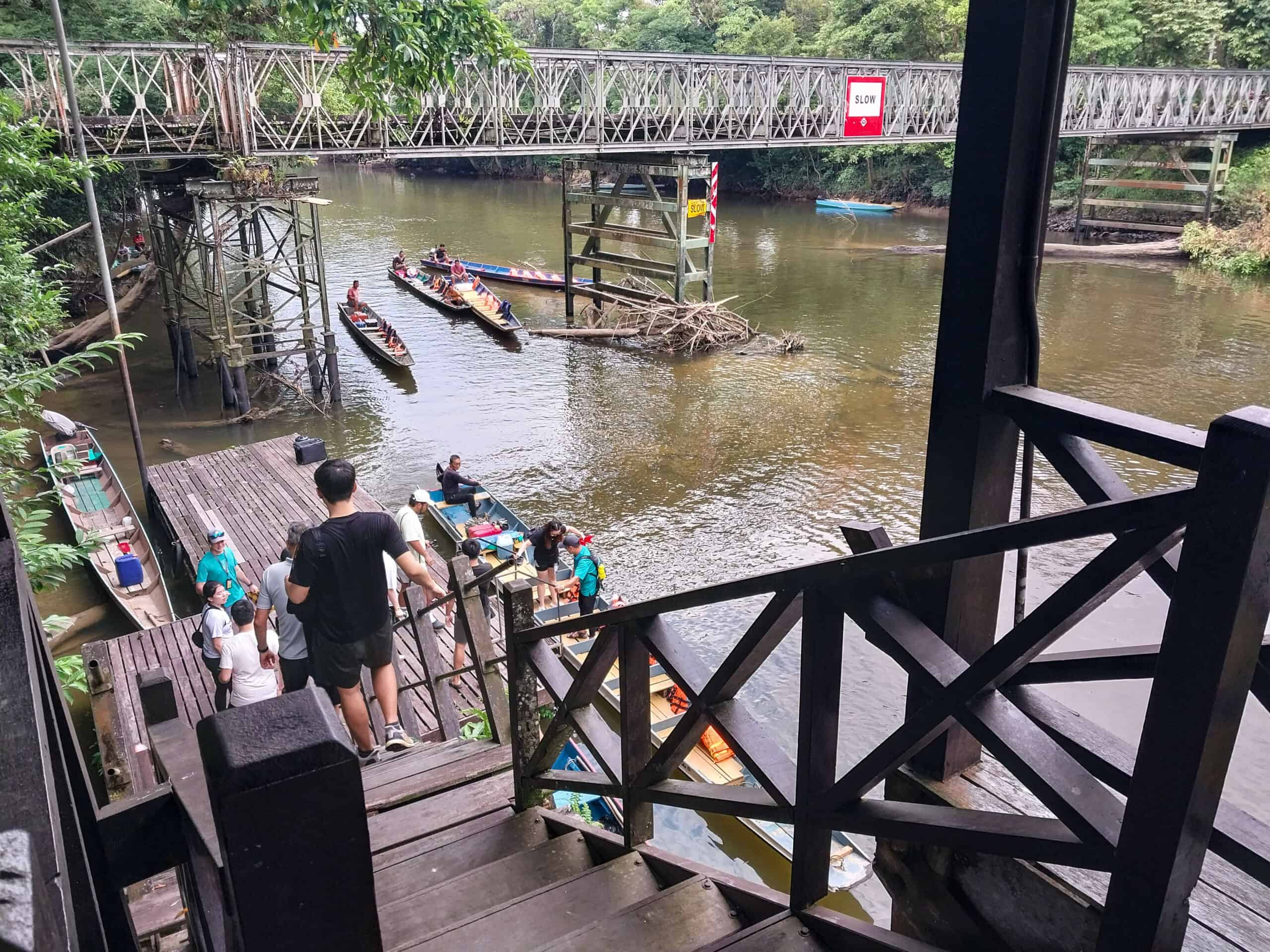
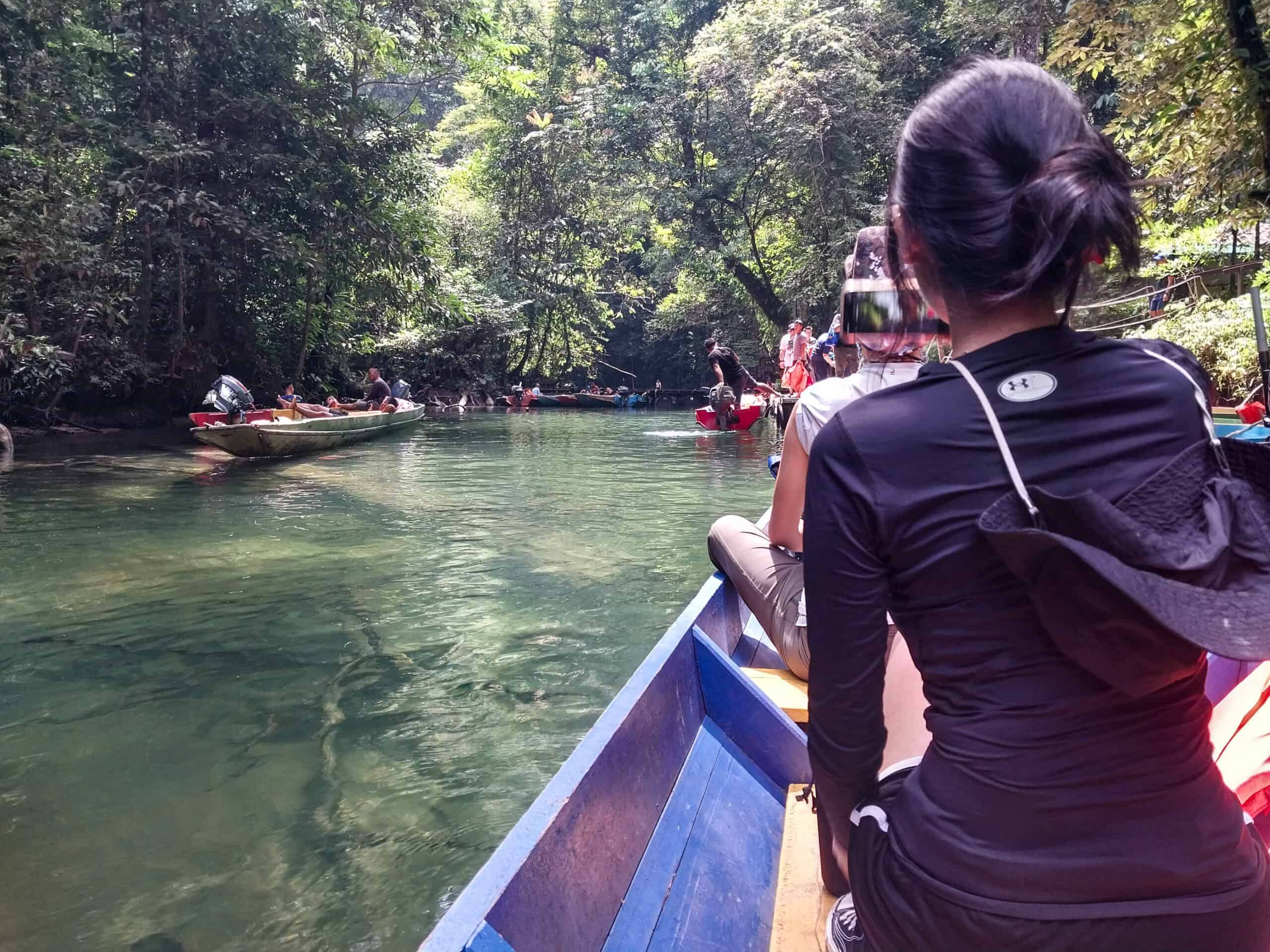
Day two proved to be just as adventurous as day one. Our group began the day with a long boat ride on the Melinau Paku River. We made our first stop at the Batu Bungan Penan Settlement, where local artisans offer a variety of handmade crafts for sale. They also give blow dart and traditional weaving demonstrations.
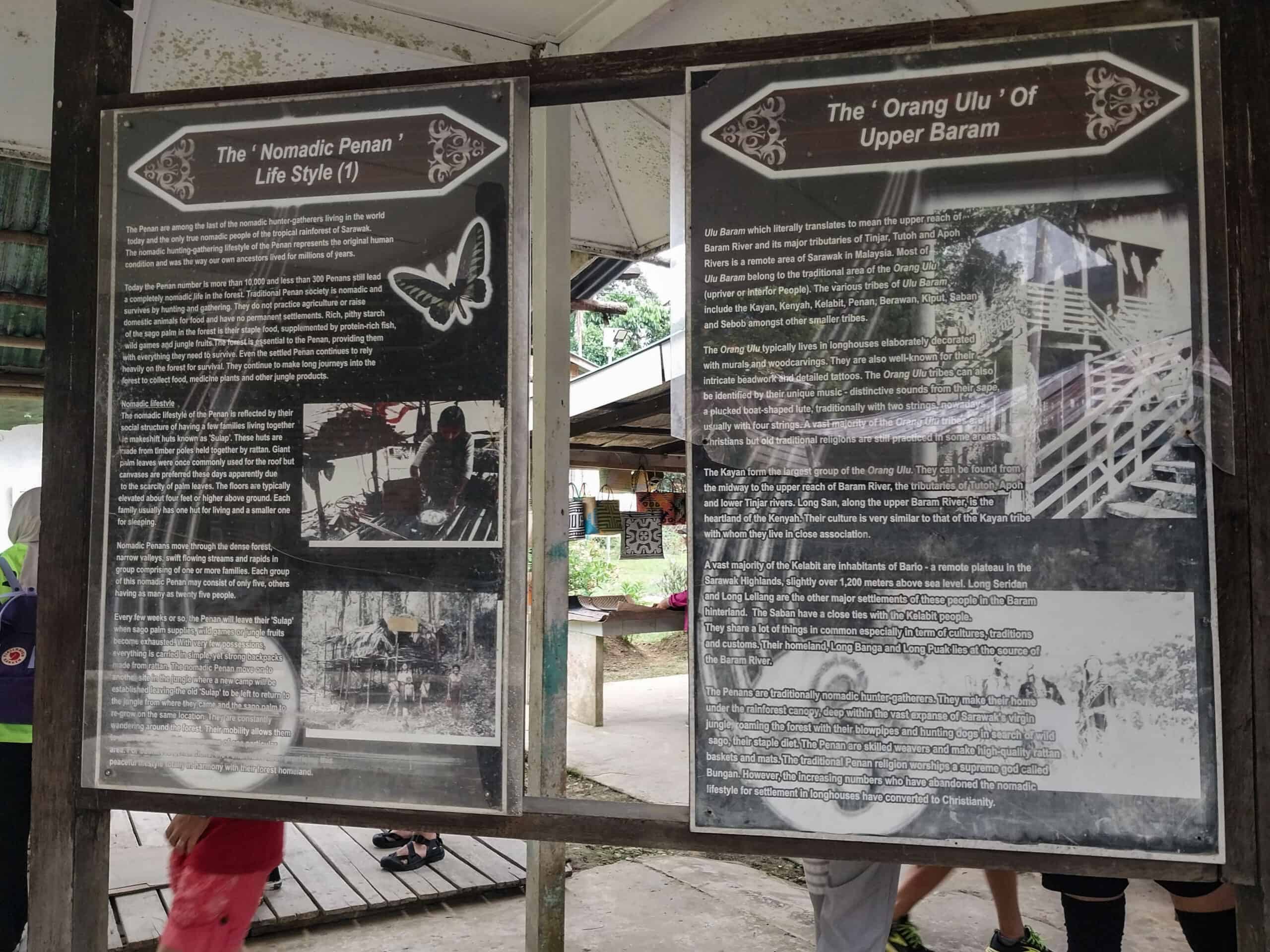
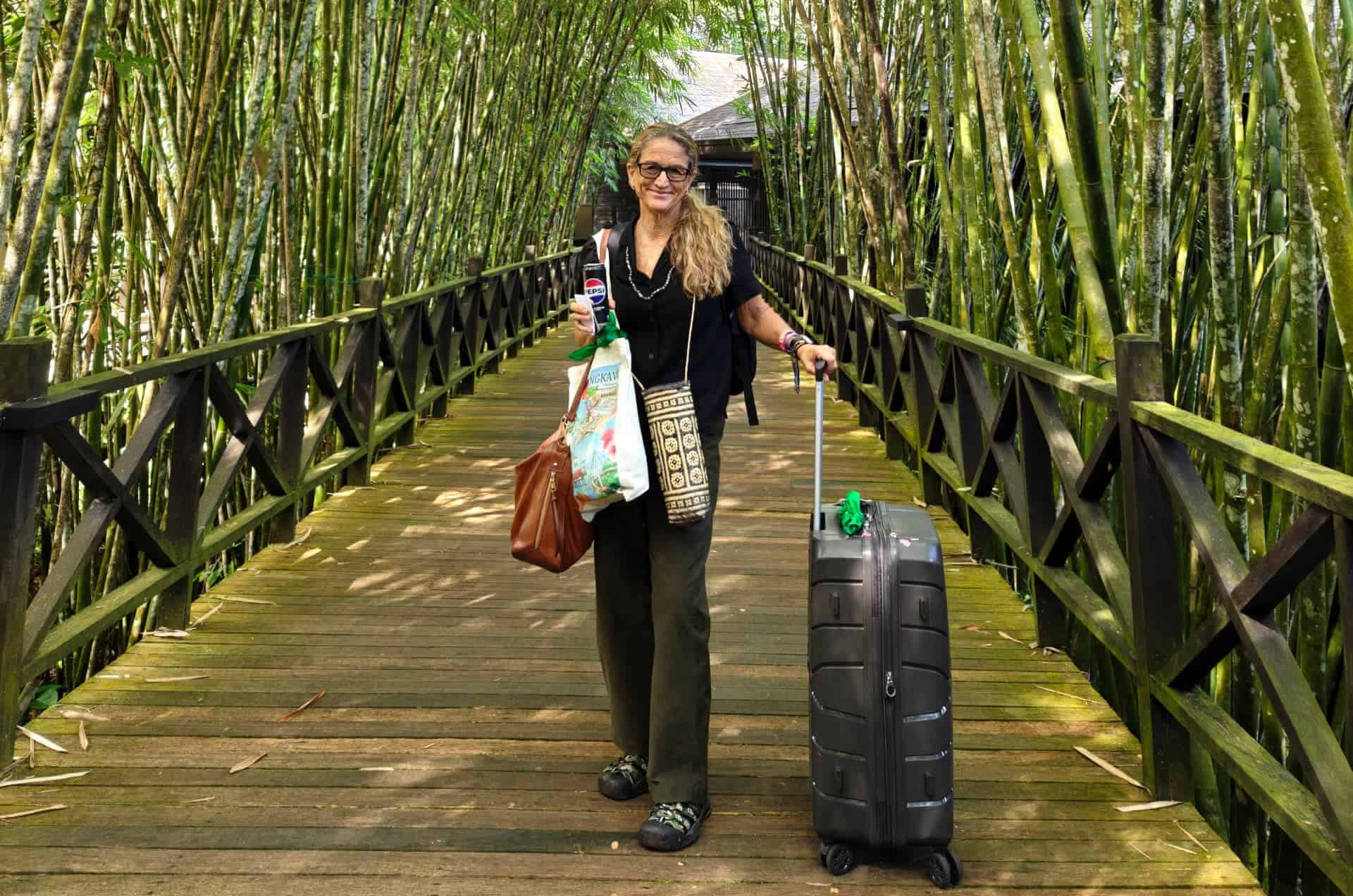
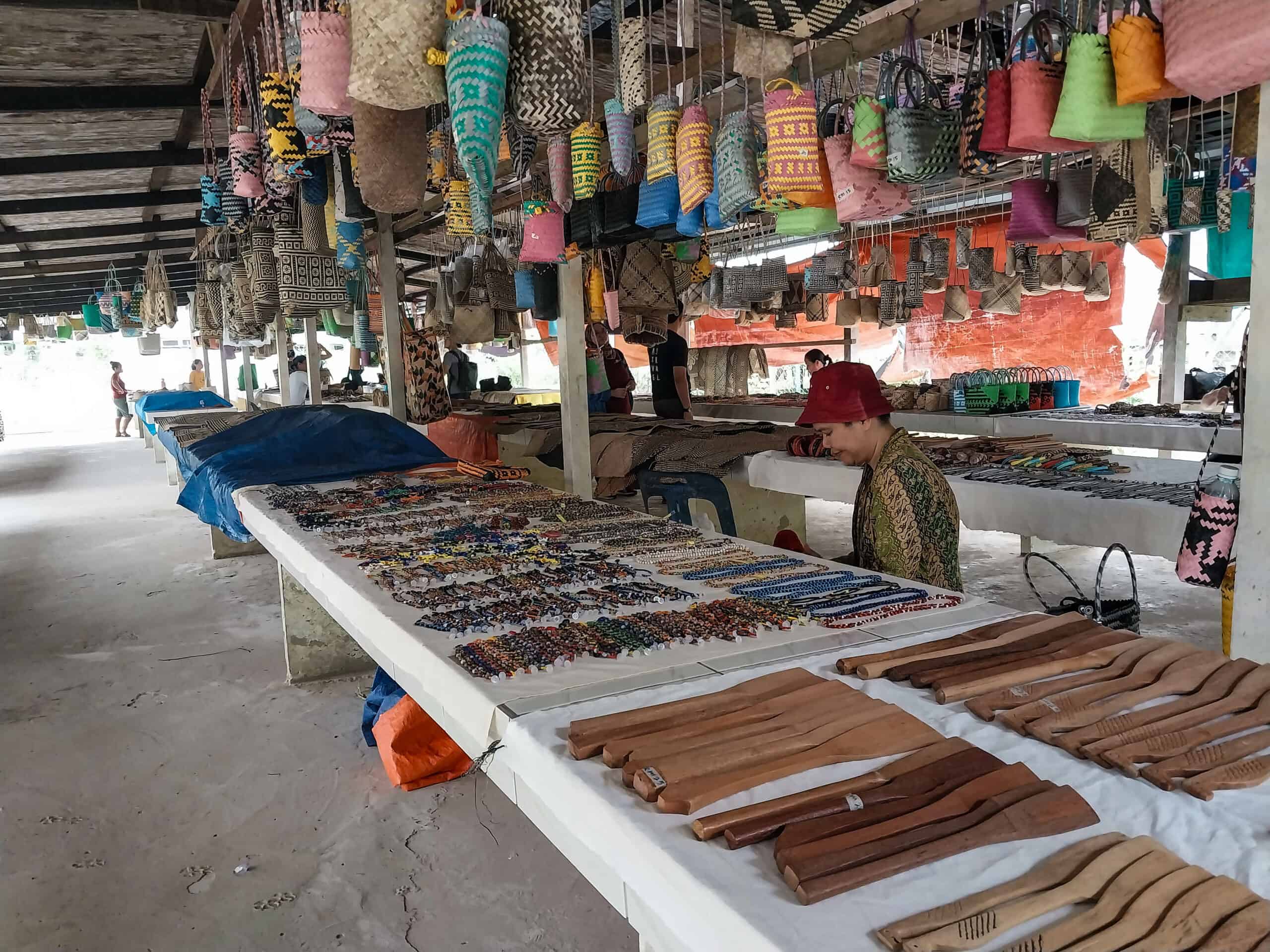
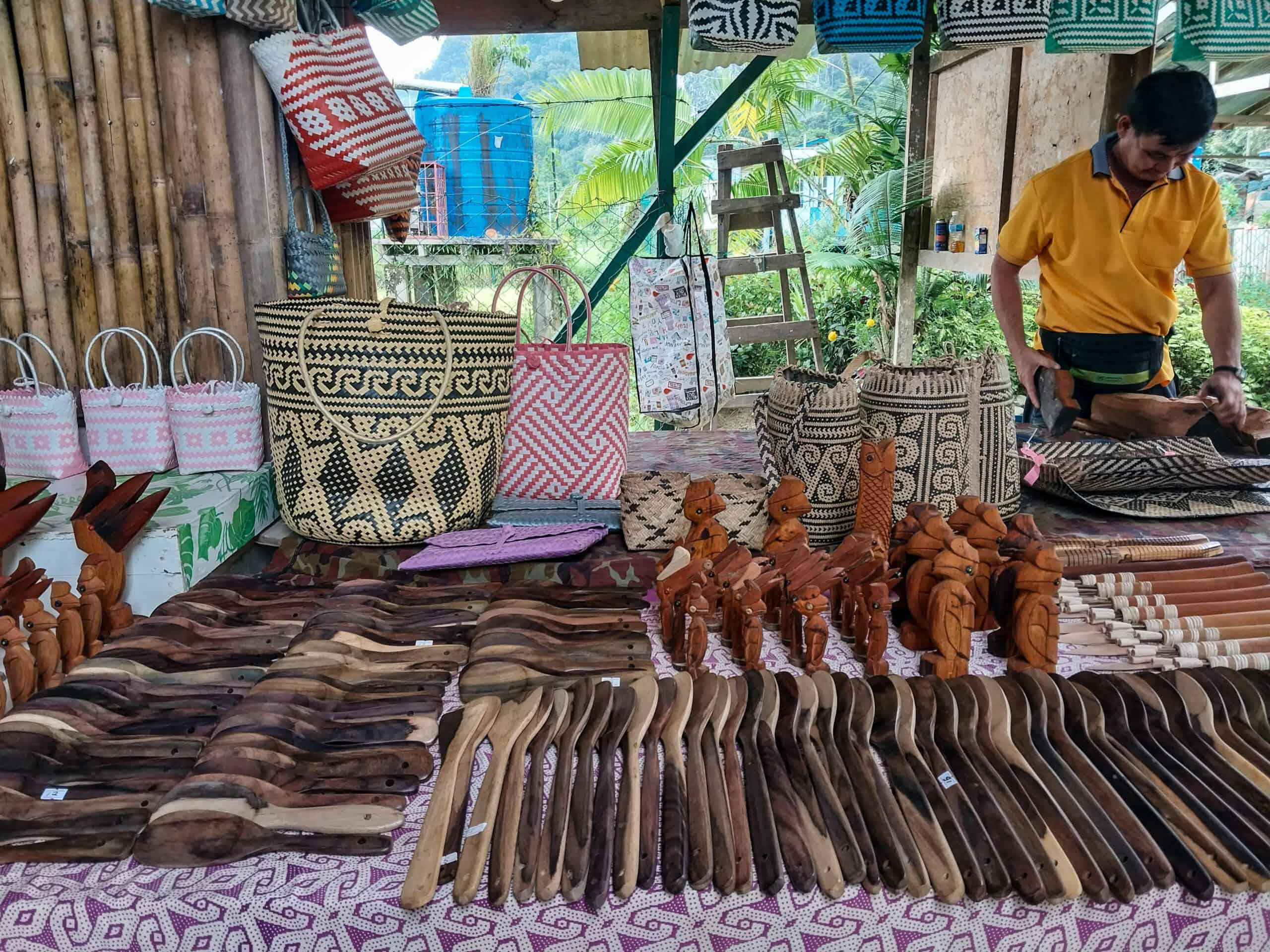
The products on display range from easy to carry necklaces and carvings to gorgeous woven bags and baskets. So do be prepared with extra cash and perhaps an extra waterproof bag for storage. In hindsight, this stop would be better after the cave stops, to have more time to browse. So, if you have any voice in the daily itinerary, I’d recommend it.
After the Penan Settlement stop, we headed to Cave of the Winds (Wind Cave), with an easy entry relatively close to the Melinau River. The Cave of the Winds is known for cool breezes that flow through its passages, which are created by air pressure differences between the chambers.
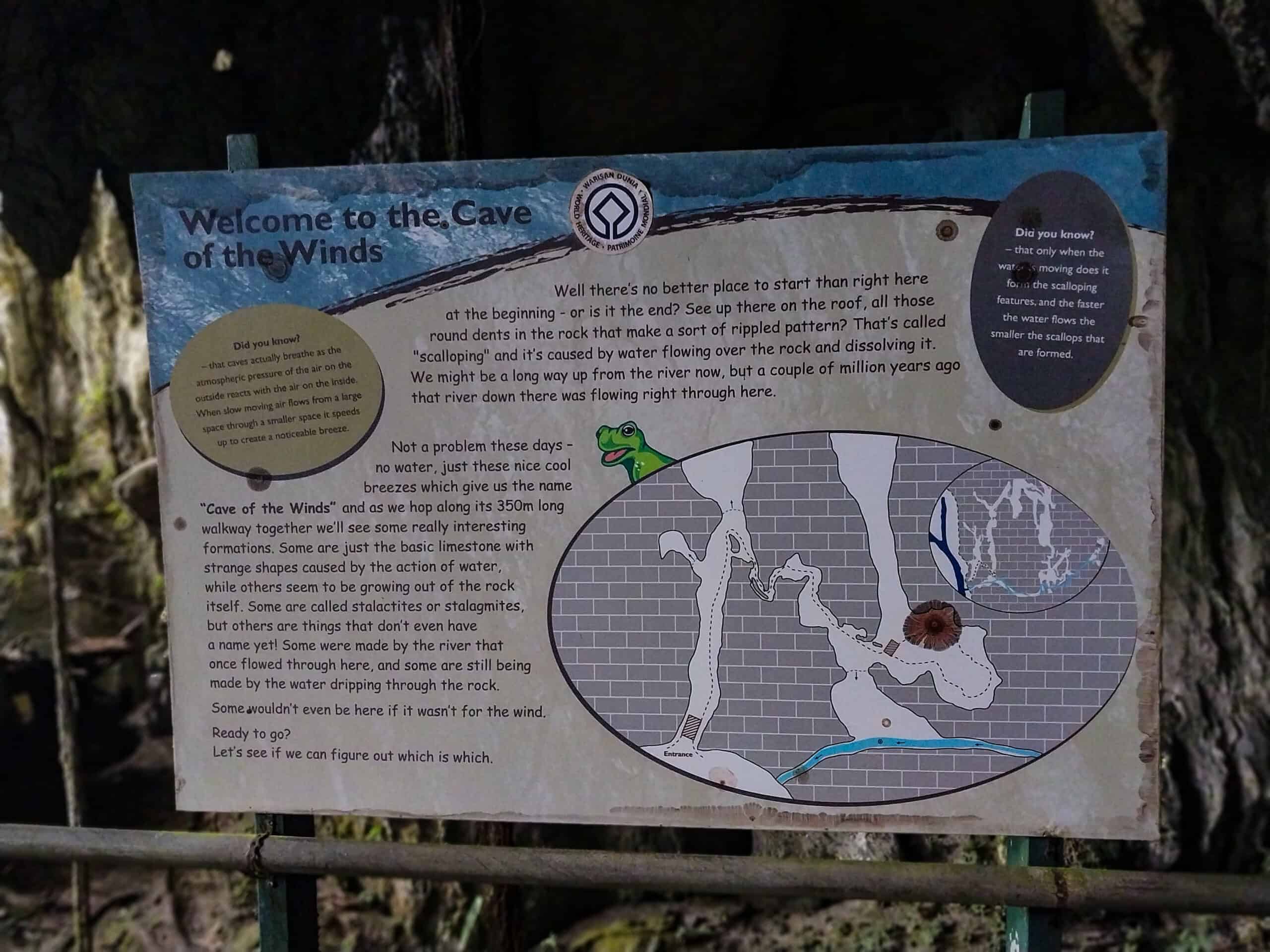
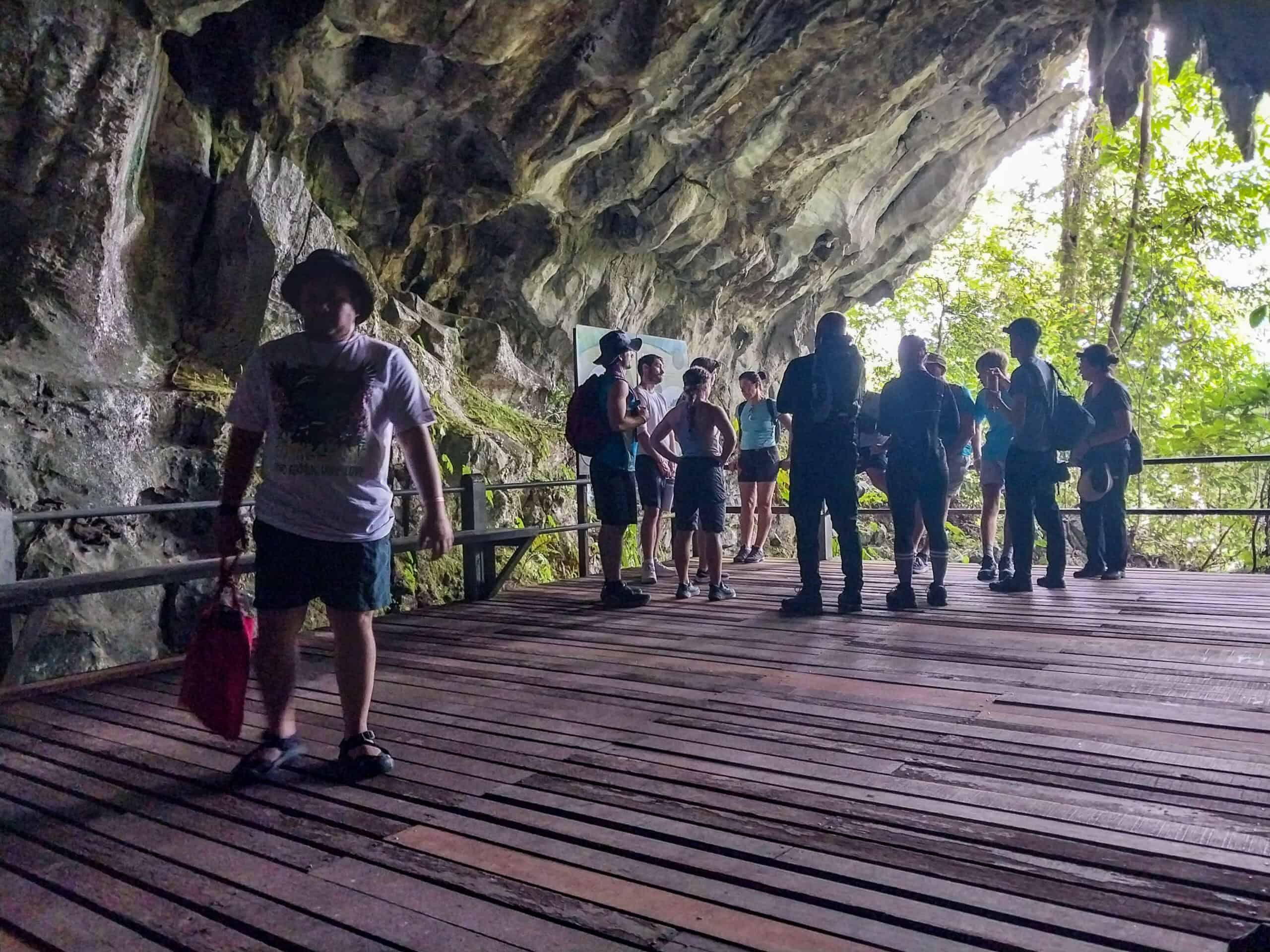
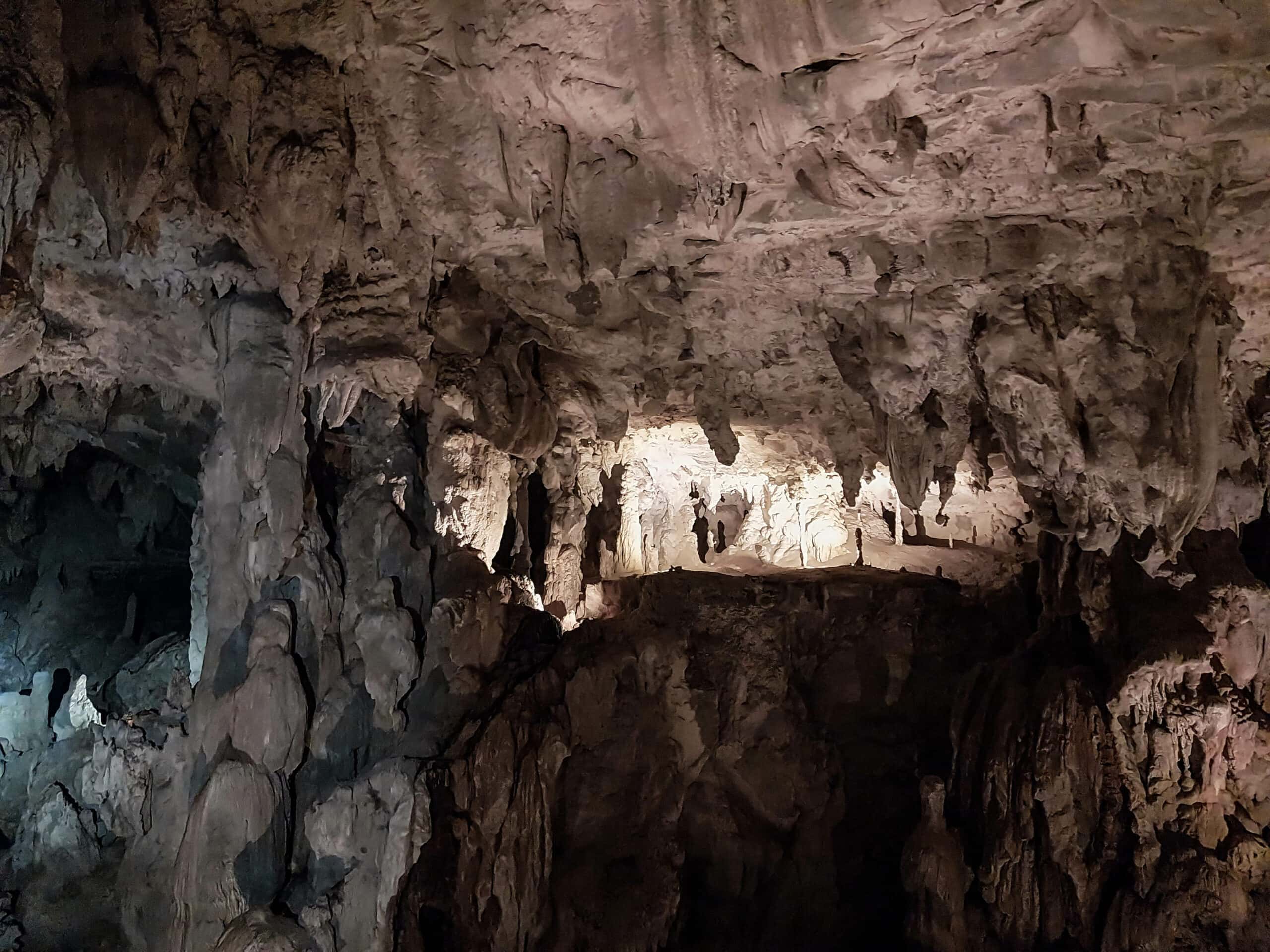
The cave features impressive limestone formations, including large stalagmites, flowstones, and a vast chamber often referred to as the “King’s Chamber.” An impressive part of the Melinau limestone formation, which dates back roughly 40–60 million years.
Clearwater Cave and Recreational Park
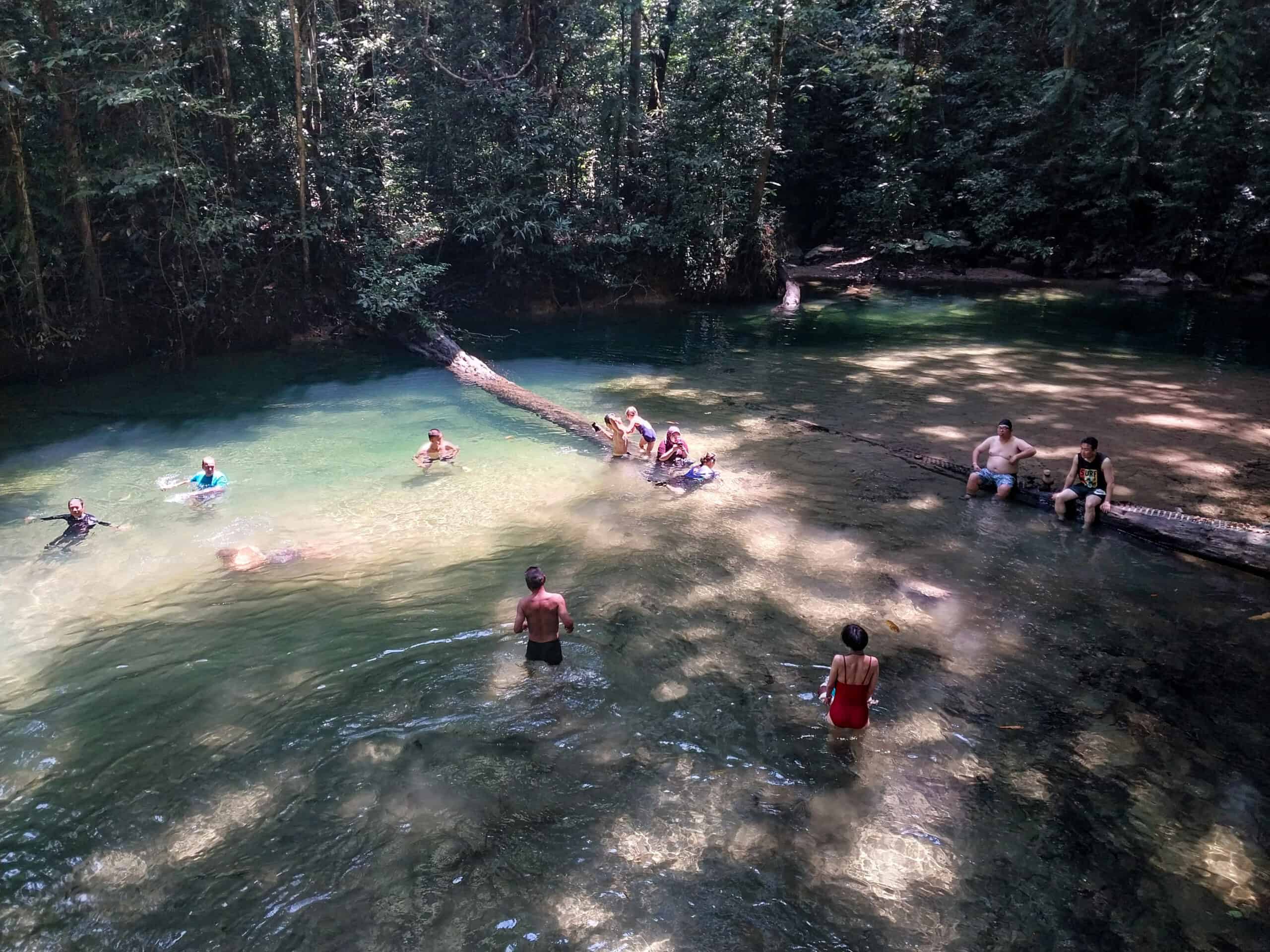
Our longboat journey ended at the Clearwater Cave and Recreational Park. It’s a beautiful little spot with a crystal-clear swimming area, picnic tables and bath houses. This was our lunch stop with food provided by our guide. Between eating and swimming visitors are welcome to climb an adjacent set of steep stairs that lead to Clearwater Cave.
This particular cave is famously known as having one of the longest underground river systems in the world. However, it has full honors as being the longest in Asia measuring over 265km (165 miles) in length.
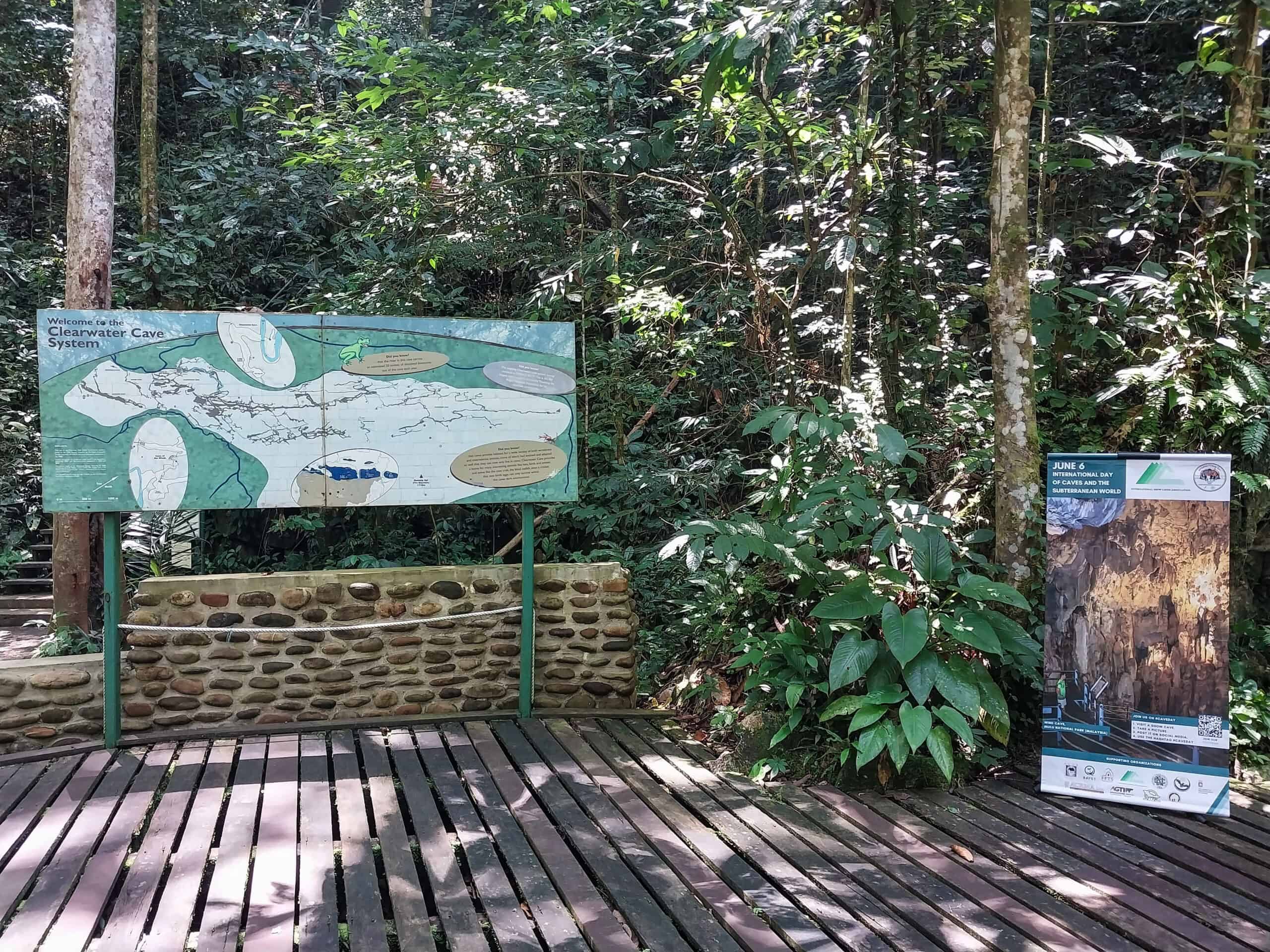
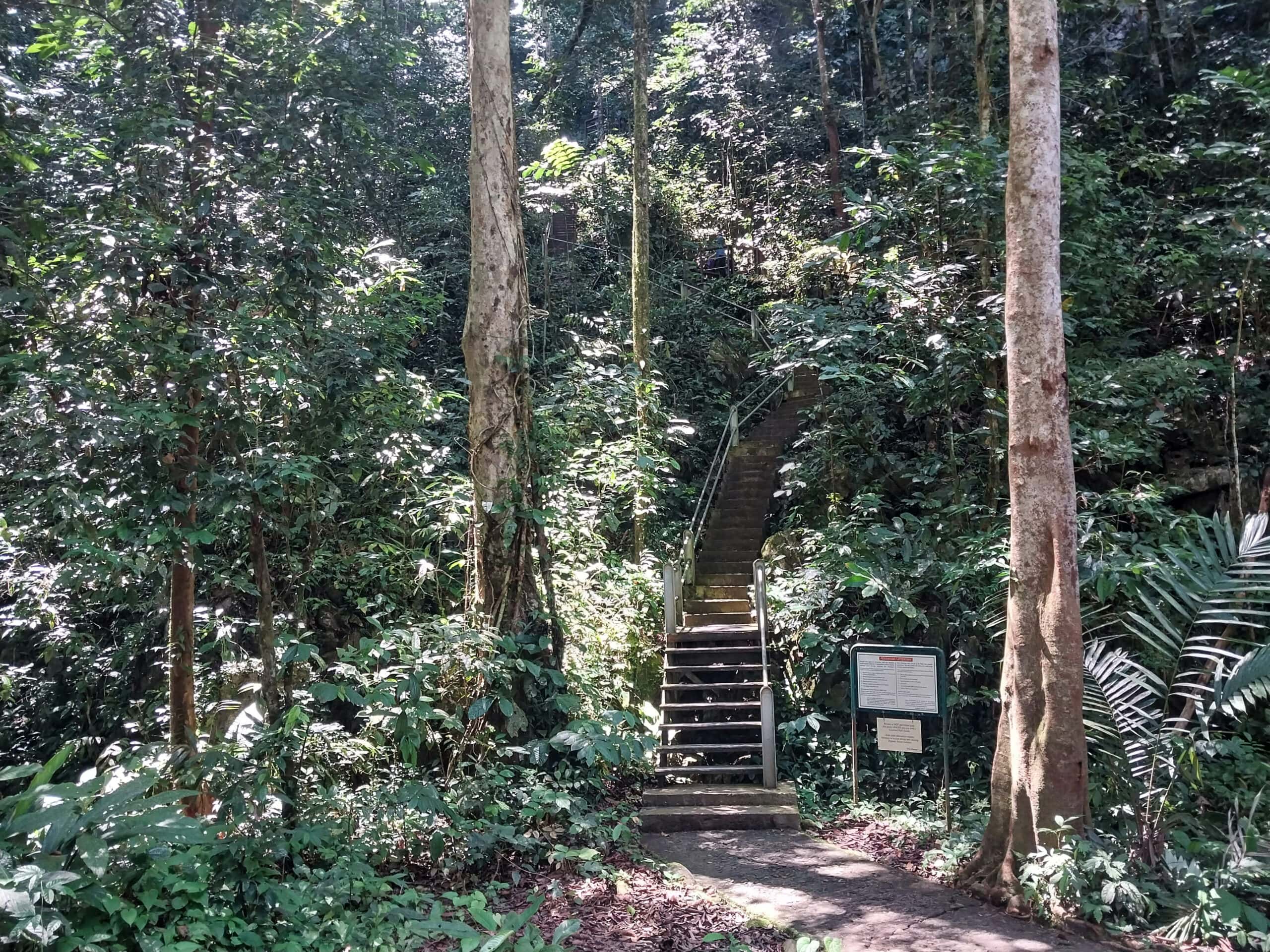
Clearwater Cave closes a bit early for safety reasons. If you arrive close to noon, there may be a mad dash to get up the steep stairs and to the cave before it closes for the day. On a busy day with many other groups arriving at the same time those stairs may get a tad crowded. Which is another good reason to stop here earlier than later.
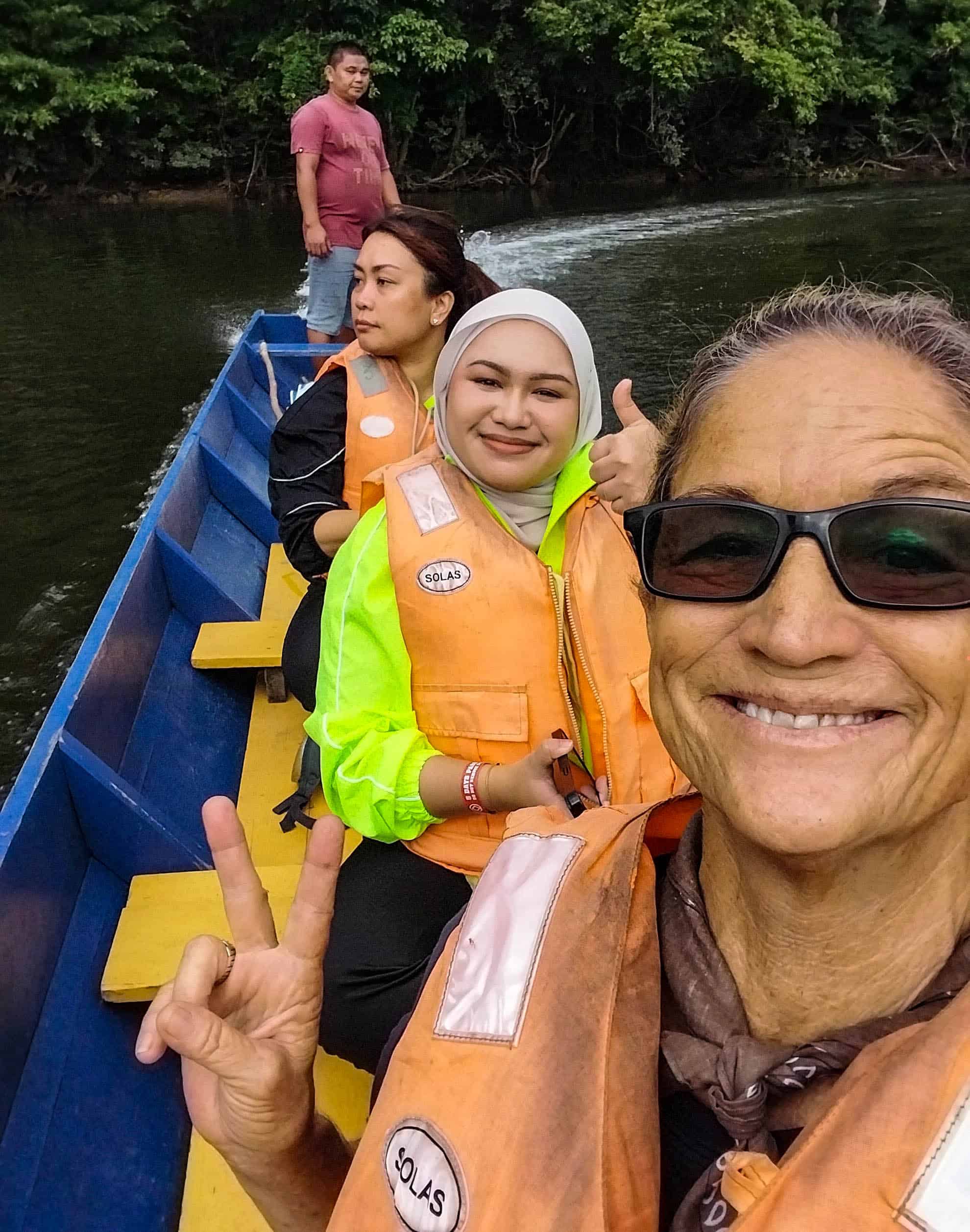
Our after-lunch return to the resort was a relaxing cruise with a repeat of the previous days evening itinerary; free and easy, a delicious dinner and nature’s evening lullabies.
Day 3: Exploring Above the Mulu Canopy
Mulu Canopy Skywalk and Botanical Trail
Our final morning in Mulu was scheduled to begin with the Mulu Canopy Skywalk, a 480-meter suspended walkway about 20 meters above the forest floor. Scheduling conflicts meant the walk did not run for our group during our visit, a reminder that even the best-planned itineraries can shift due to unforeseen circumstances.
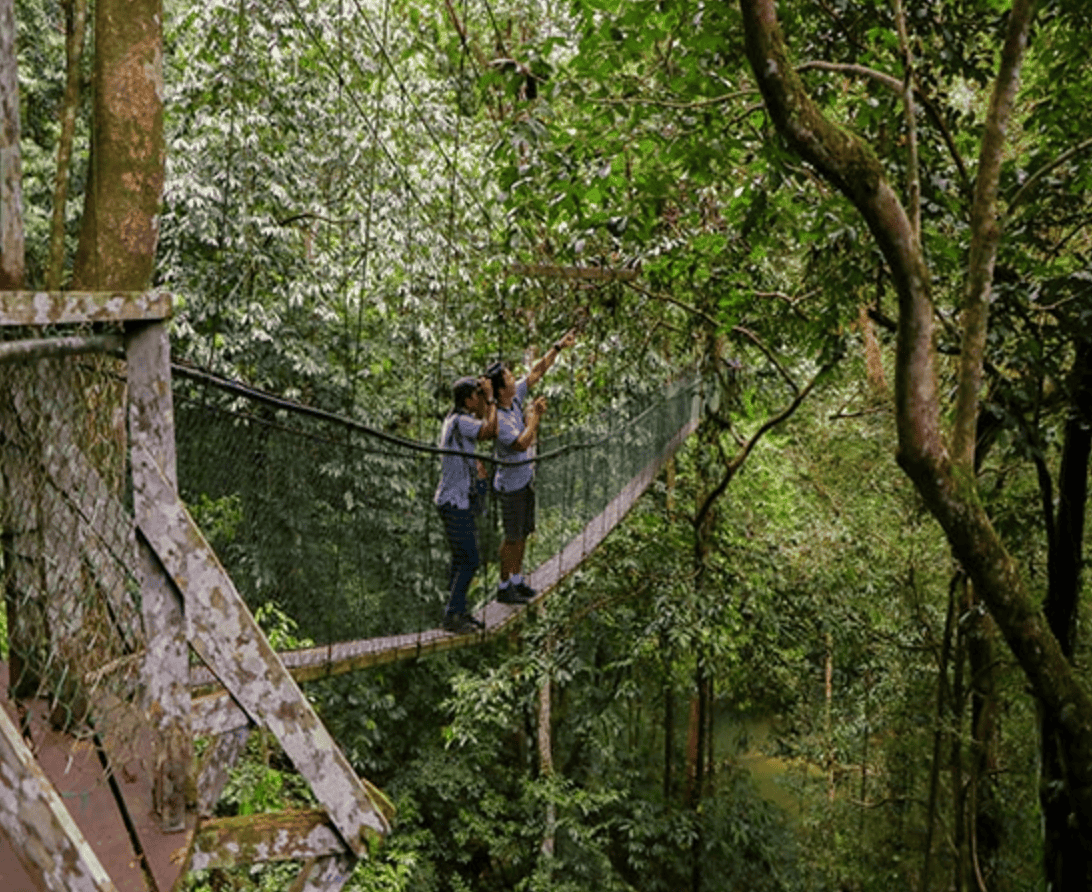
If the day’s conditions are favorable, the canopy walk offers a treetop perspective of the rainforest and is one of the park’s most popular guided experiences. Walks operate at scheduled times and require advance booking, particularly during peak travel periods.
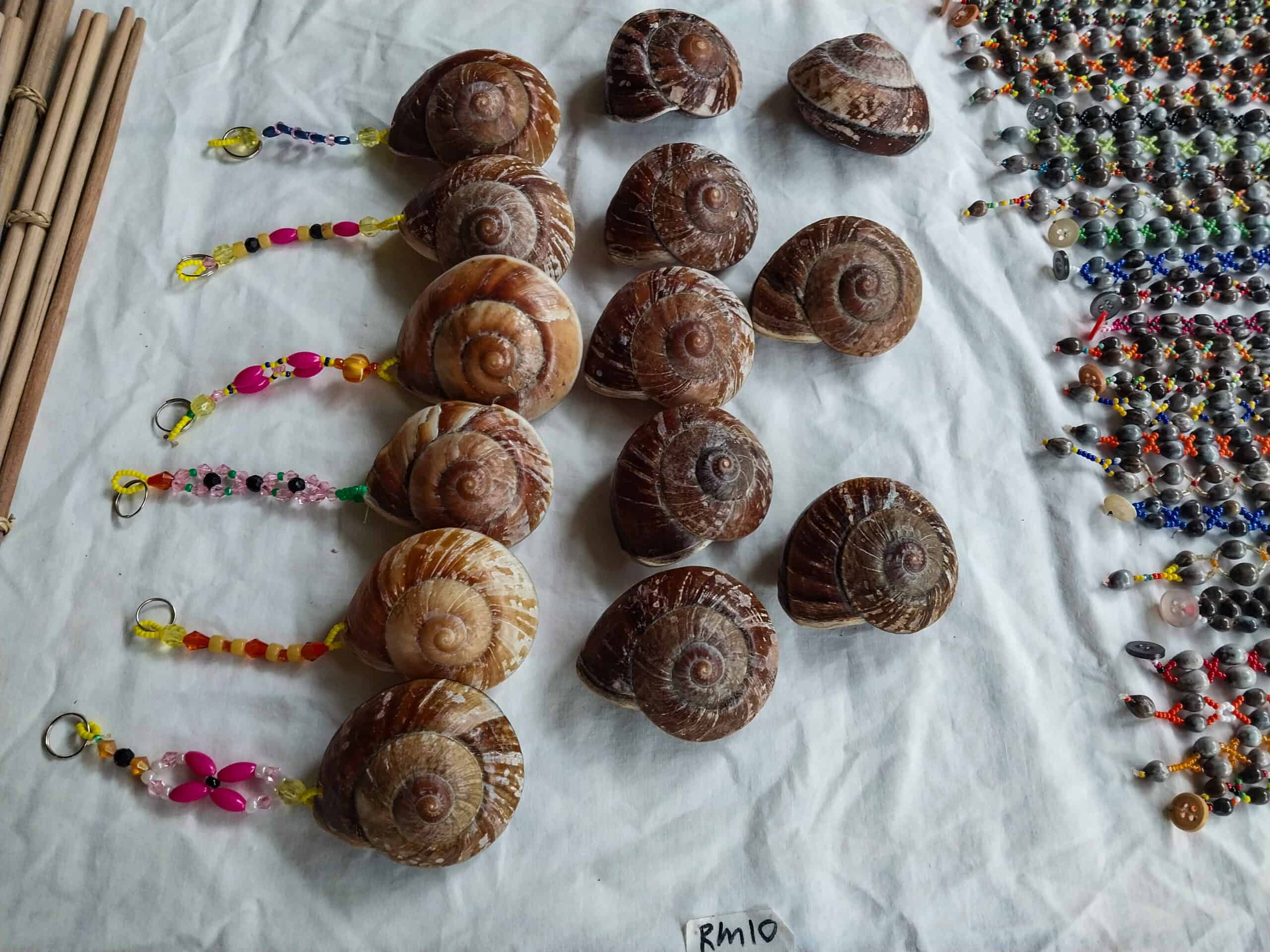
With plans adjusted, the morning became another exercise in free and easy. Other activity options include the Botanical Trail, an easy 1.5-kilometer loop just a short walk from the resort via the park entrance. You could also revisit the Mulu Penan Handicraft Market, where you can pick up last-minute locally made souvenirs or watch the artisans at work one last time.
Guide and Tour Policy at Mulu National Park
Most of the park’s trails and caves require a licensed park guide. This protects the environment, ensures safety, and supports the local community since many guides are residents of nearby villages.
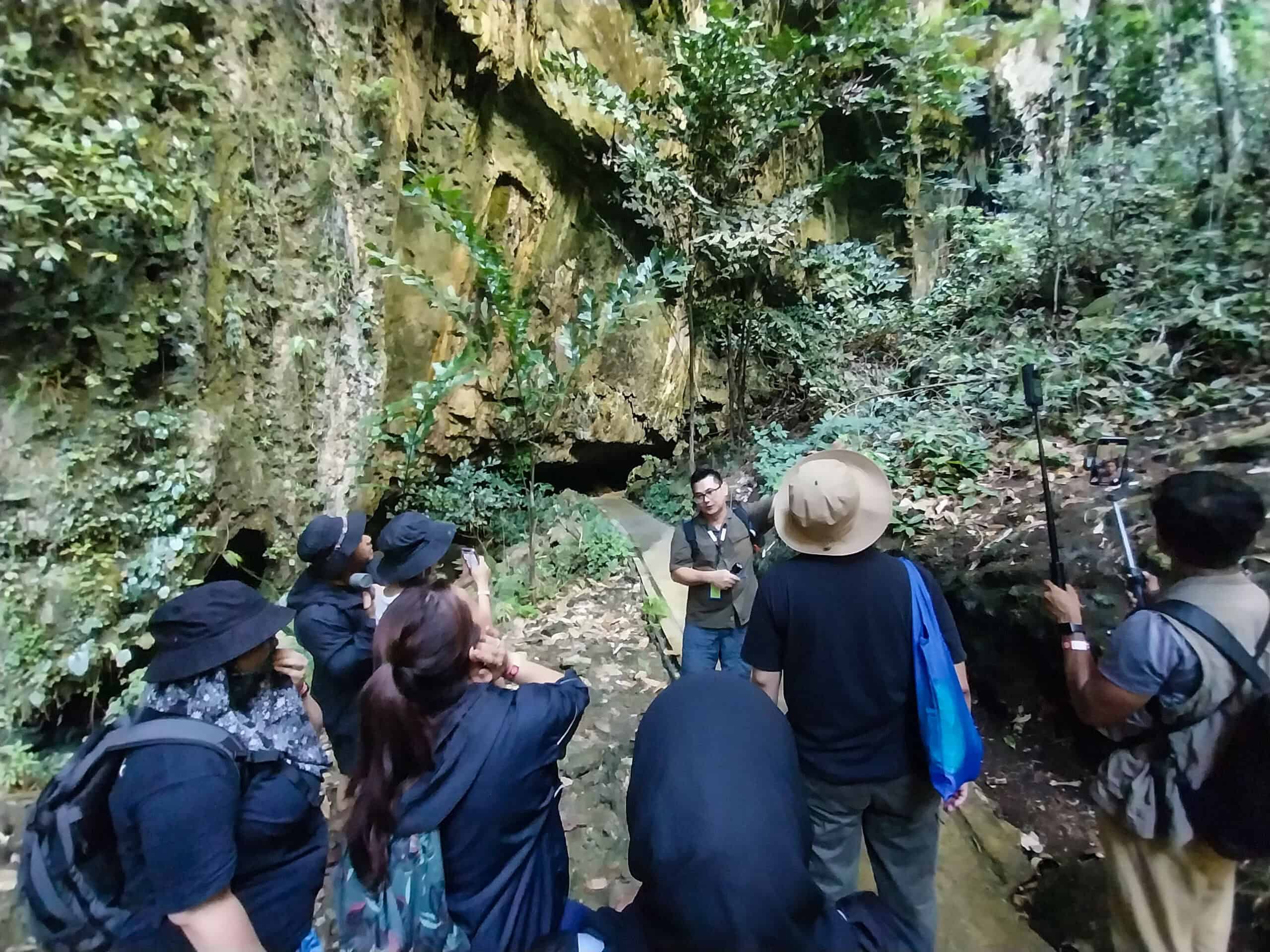
Guided tours can be booked at the park headquarters or online before your trip. Some activities, such as the Pinnacles climb or adventure caves, have limited spots and must be reserved early. Joining guided tours is one of the best ways to contribute to local conservation and community livelihoods.
What to Bring
Comfortable hiking shoes, lightweight clothing, a rain jacket, headlamp or flashlight, insect repellent, sunscreen, reusable water bottle, cash in Malaysian Ringgit (there are no ATMs in Mulu), and a camera or phone with plenty of storage.
Where to Stay in Mulu National Park:
Accommodations are available both inside Gunung Mulu National Park and just outside the park boundary. Inside the park, the official park headquarters offers a range of private bungalows, longhouse-style rooms, and dormitory beds, all with basic but functional amenities and set right amid the rainforest. Breakfast is usually included when you stay at park accommodation, and it’s a great budget-friendly way to be steps from the caves and trails.
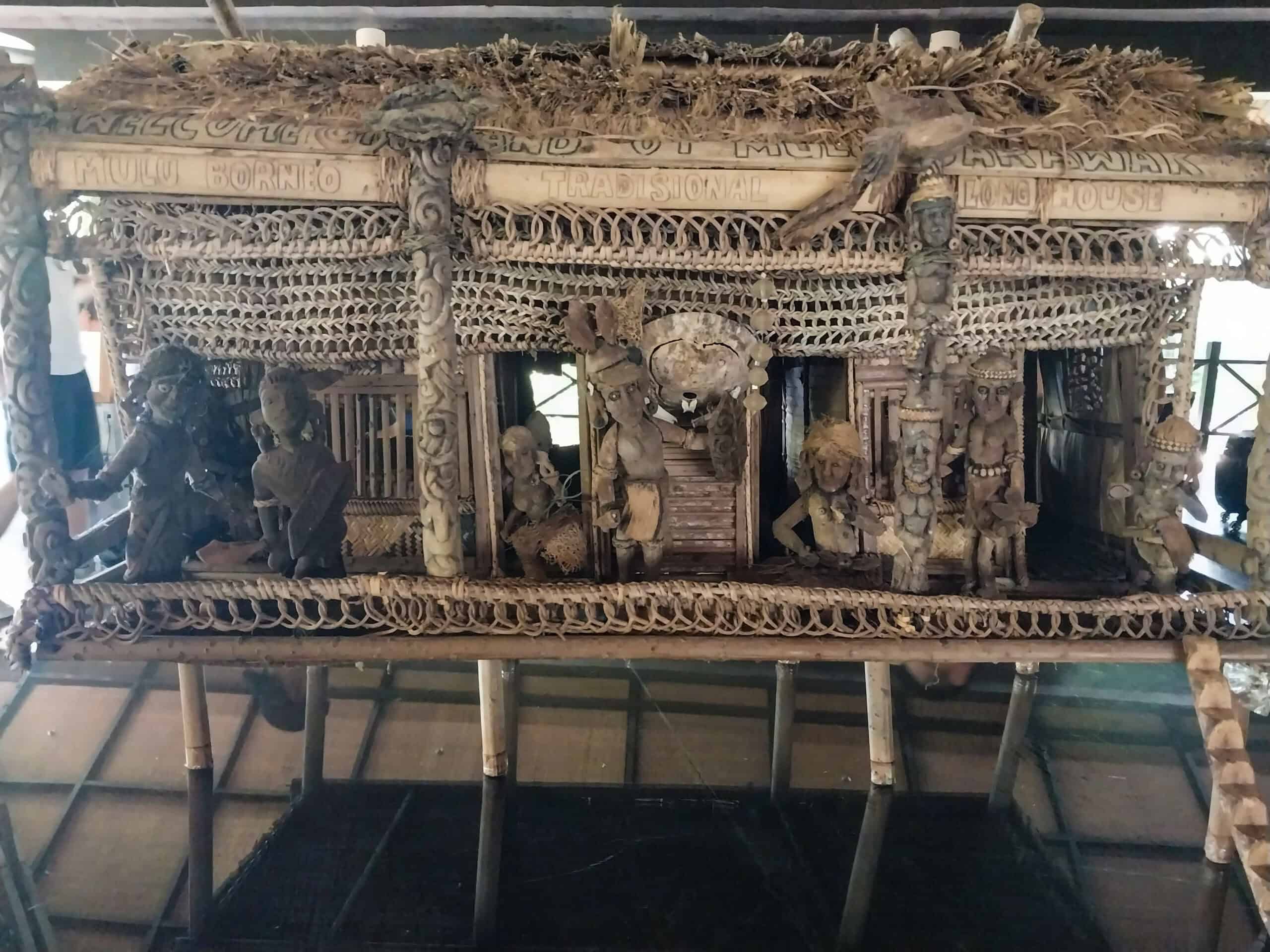
Just outside the park, you’ll find several options ranging from simple guesthouses to a full-service resort. Mulu Marriott Resort & Spa is the most upscale choice and where our group stayed. Built on the banks of the Melinau River in rainforest surroundings, this hotel was originally developed from an older property and opened as a Marriott in 2015.
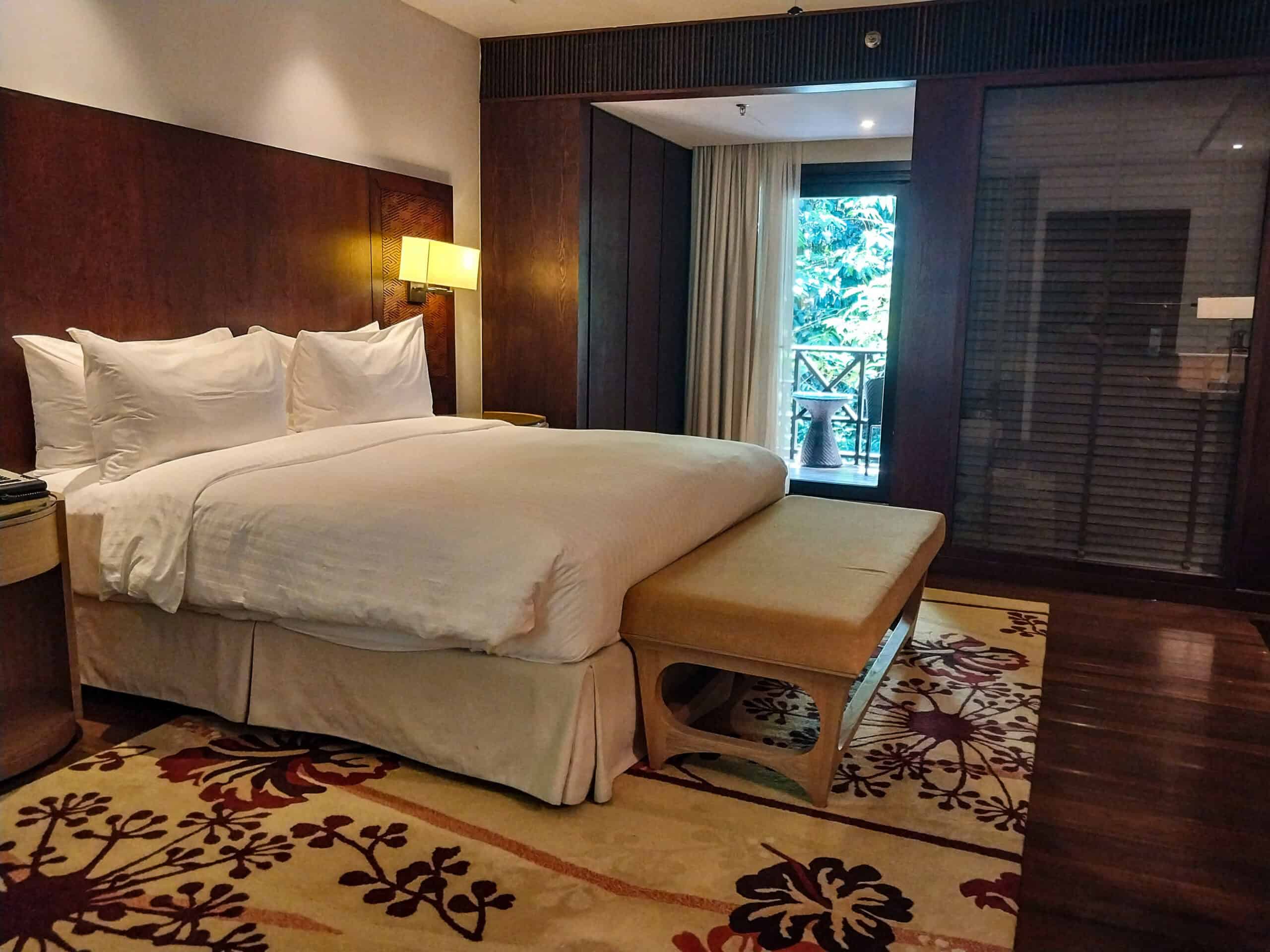
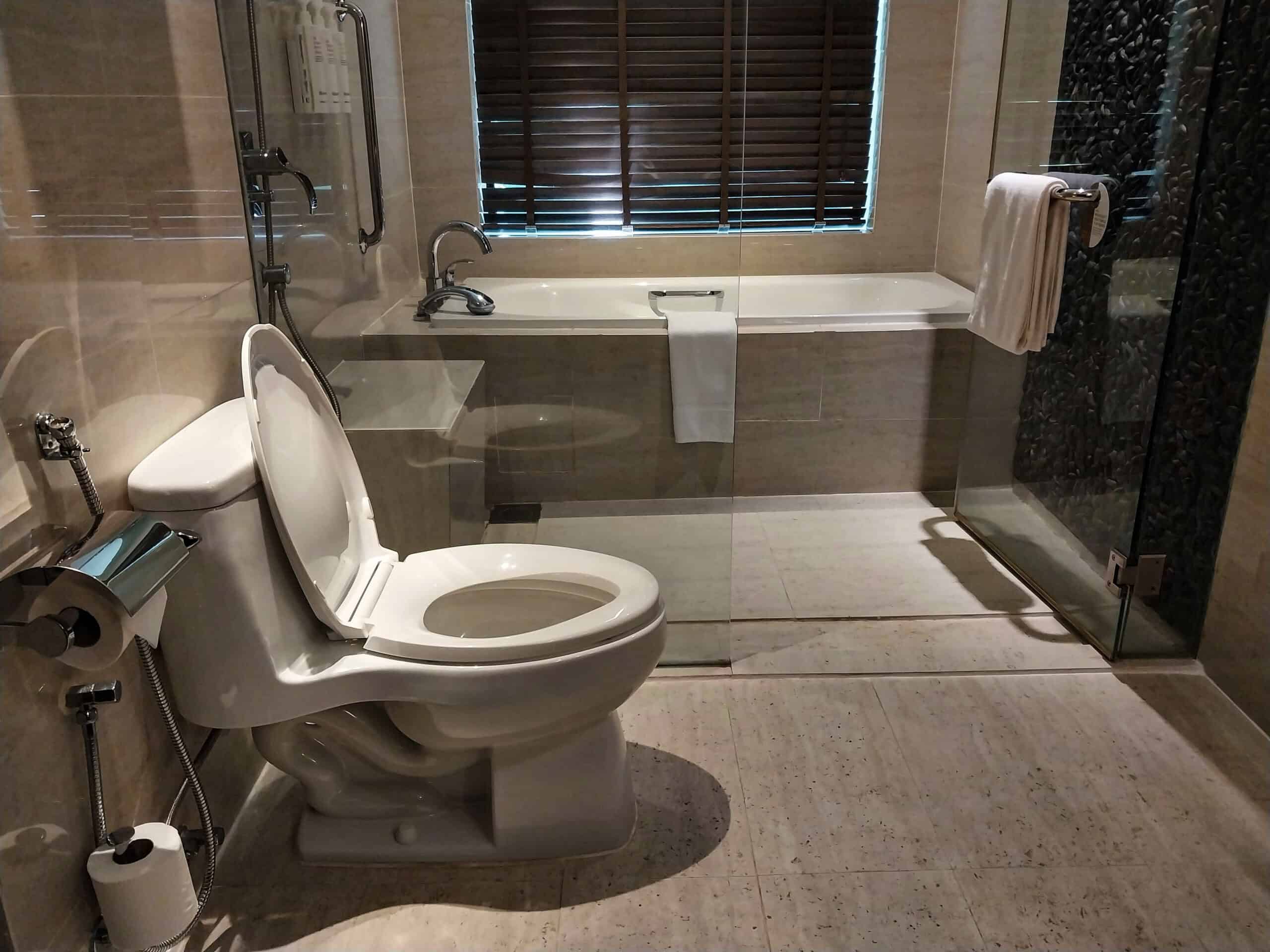
The resort is very well maintained and remains in excellent condition today. It offers comfortable rooms with private balconies overlooking the river or forest, plus facilities such as a large outdoor pool, fitness center, spa, and on-site restaurants serving both local and international cuisine.
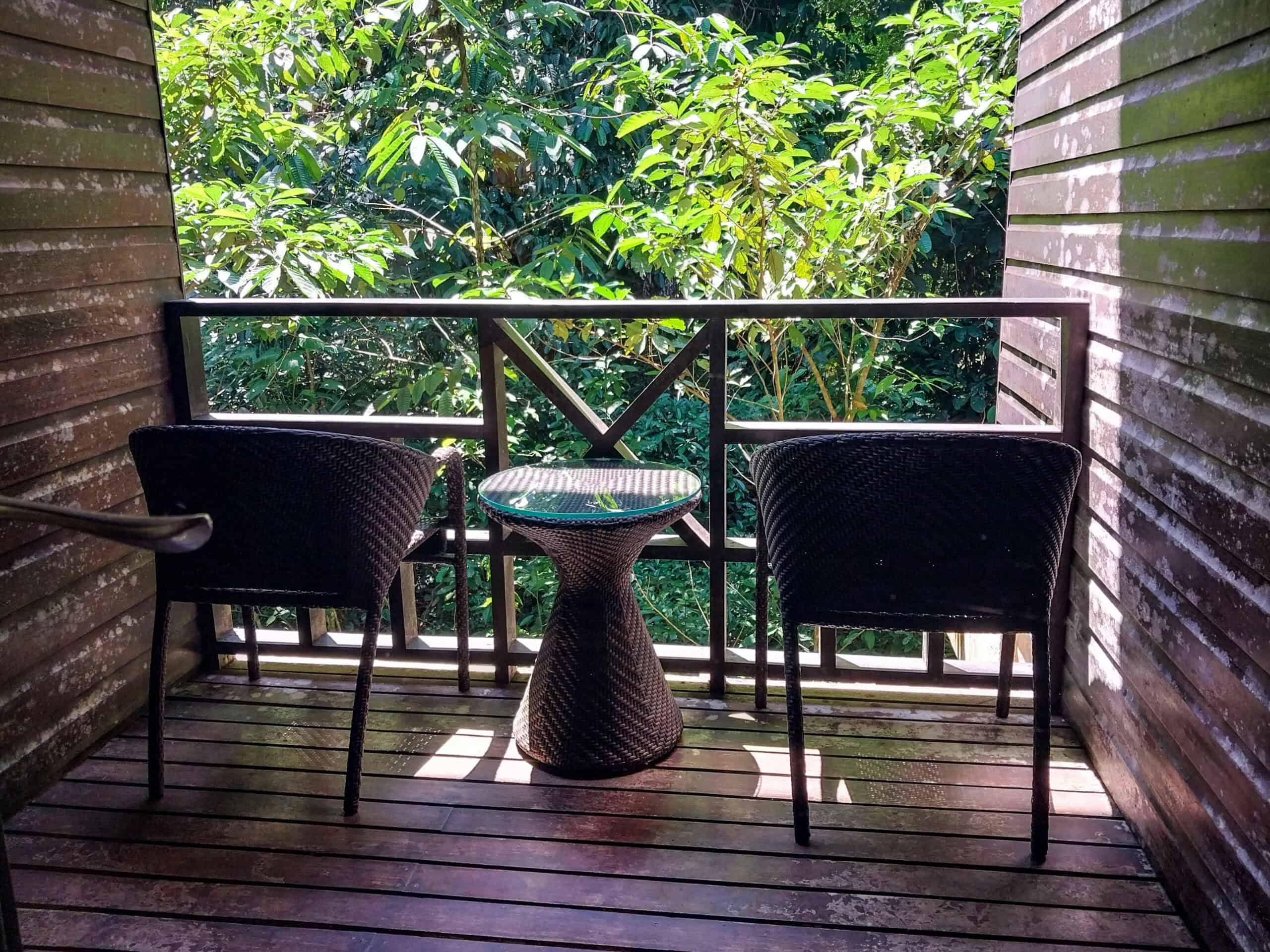
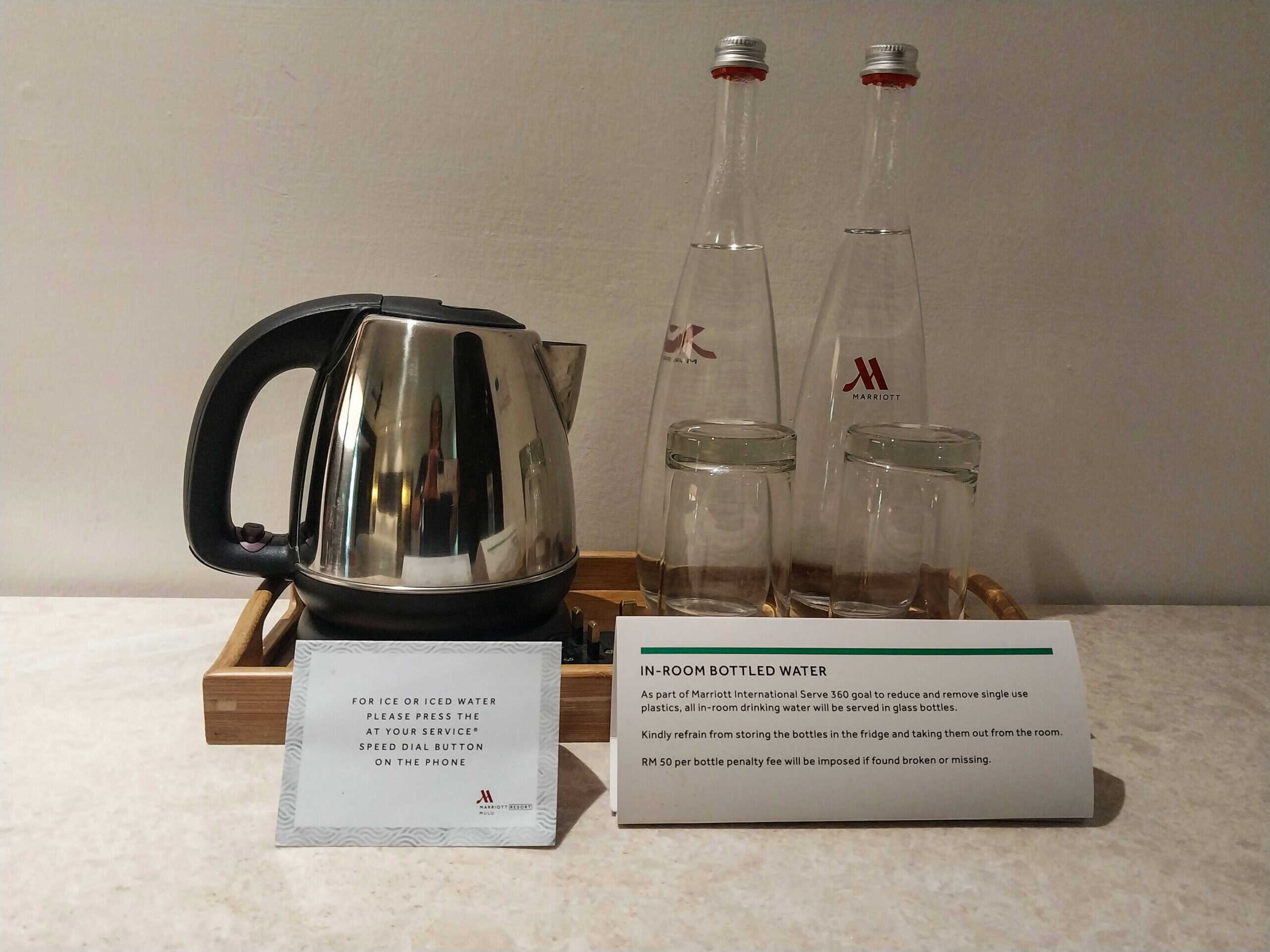
I truly loved staying here and would have happily stayed longer. The resort also provides a complimentary shuttle service to the national park entrance and the nearby airport, which makes logistics easier.
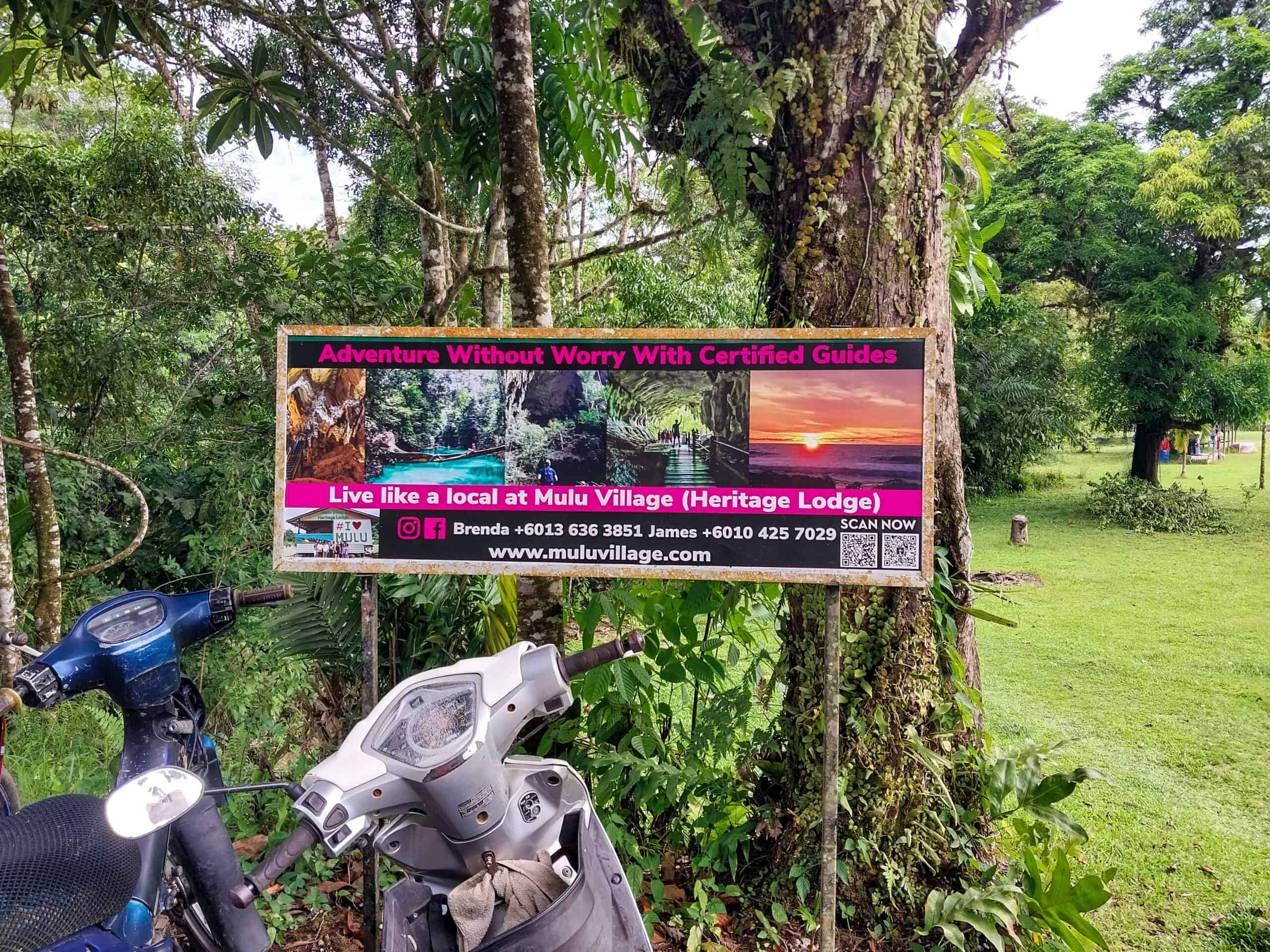
For simpler, more budget-minded stays outside the park, Benarat Lodge is a comfortable mid-range option along the Melinau River with air-conditioned rooms and an outdoor pool. And Mulu Village is a local guesthouse/longhouse-style homestay that can give travelers a more authentic and affordable experience by the river.
Flight and Baggage Tips
When flying with MASwings, passengers can check one bag of up to 20 kilograms and bring a 7-kilogram carry-on. No single checked bag can exceed 32 kilograms, even if you purchase additional baggage.
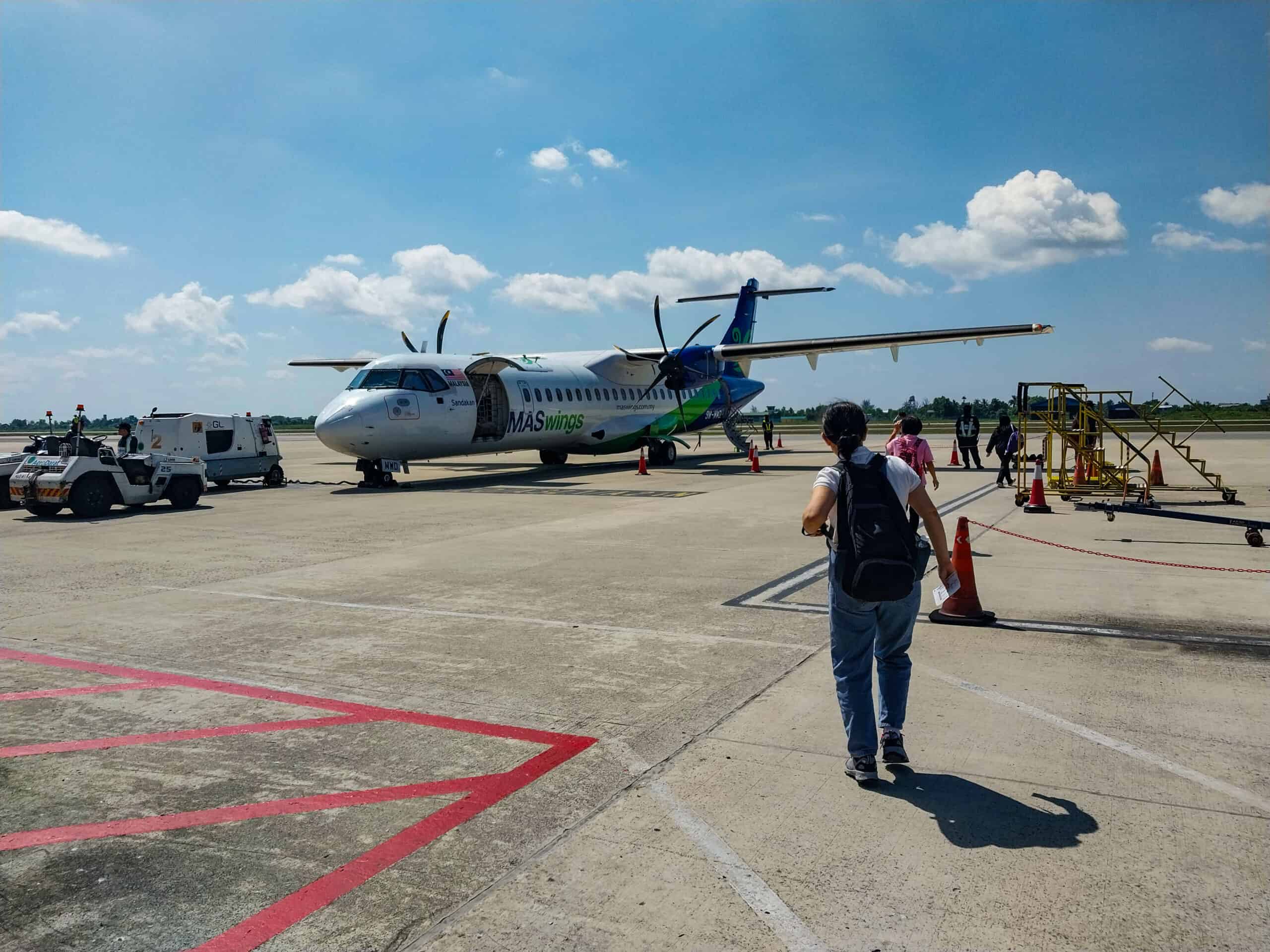
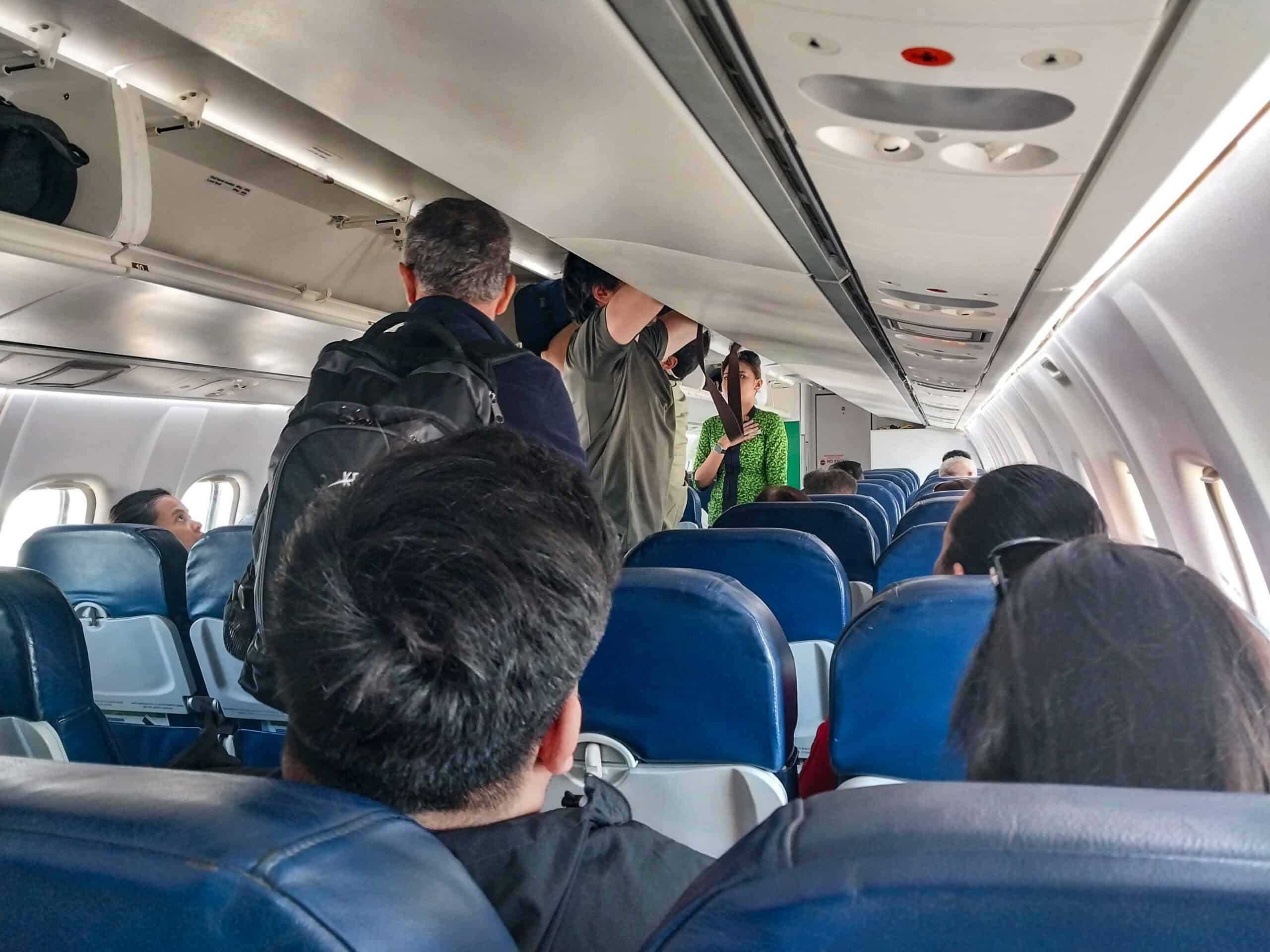
Because MASwings uses smaller ATR-72 aircraft, baggage restrictions are enforced strictly. Pack light and keep essentials in your carry-on to make the process smoother. *If flying from Miri extra luggage storage can be arranged at nearby hotels.
Why Mulu Should Be on Your List
Gunung Mulu National Park isn’t the easiest place to reach, and that’s part of its charm. The park gained global recognition in 2000 when UNESCO designated it a World Heritage Site. Since then, it has become a magnet for eco-tourists, adventure travelers, and researchers. Cave exploration, rainforest trekking, and canopy walks are just some of the experiences you can enjoy here.
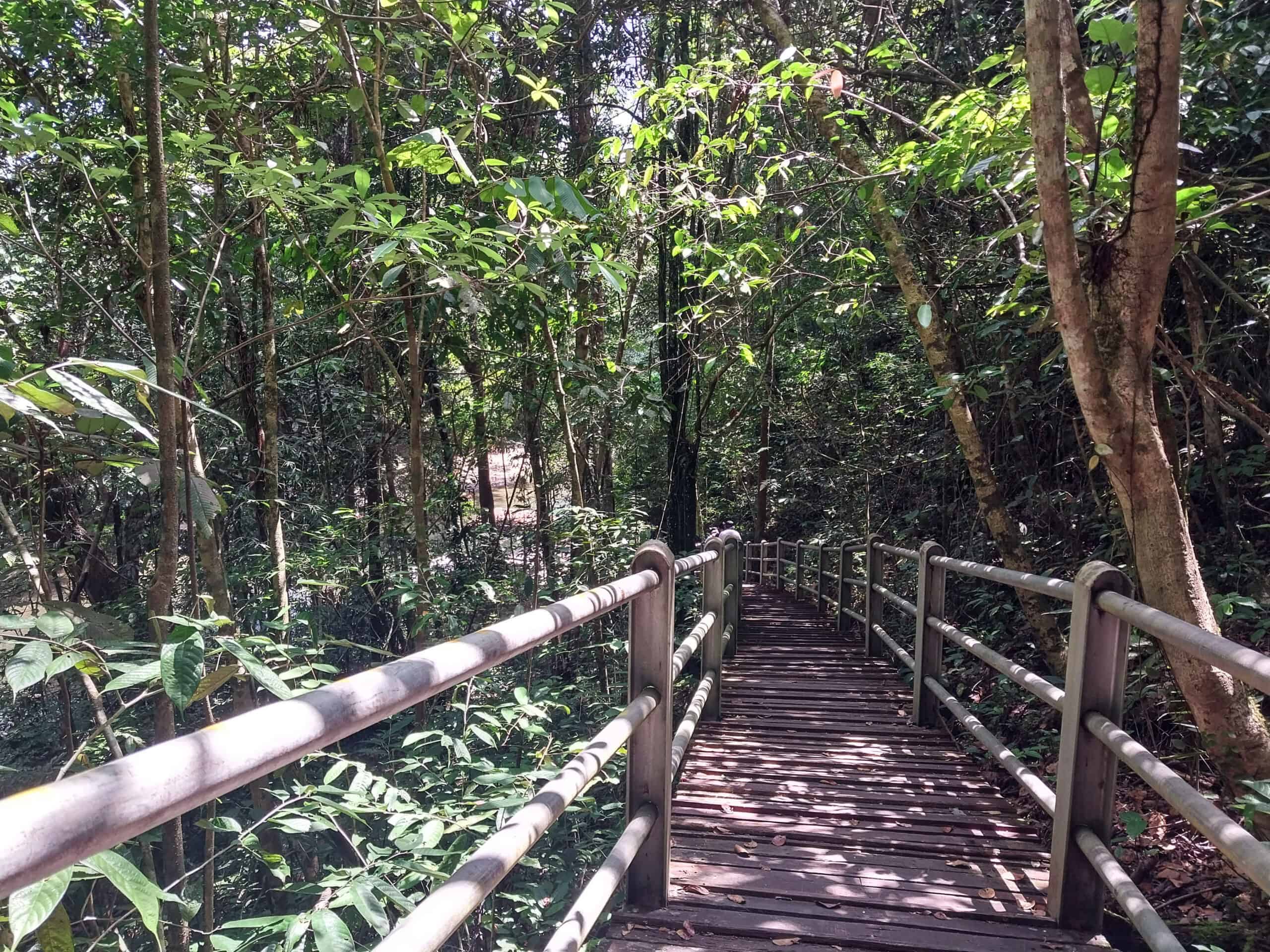
Today, Mulu balances conservation with tourism, giving visitors the chance to see rare species, unique landscapes, and some of Borneo’s most impressive natural areas. Our three-day stay offered only a glimpse of what Mulu has to offer. If you can, stay longer. It’s worth taking the time to relax and soak in the rainforest at your own pace.
For information on tour packages, check out Gunung Mulu National Park’s official website:
https://www.mulunationalpark.com/
Pro tips
Plan ahead, especially for flights and guide availability, as many activities run on fixed schedules with limited slots. If your schedule allows, consider staying five days instead of three. The extra time gives you flexibility if plans change and makes it easier to experience everything you came for.
Leave a Reply